Lloyd Blankfein Defends Goldman Sachs Swagger in Memoir Streetwise
Lloyd Blankfein defends Goldman’s contradictions and bravado as sources of power in Streetwise, while conceding the firm has become "a little less special."
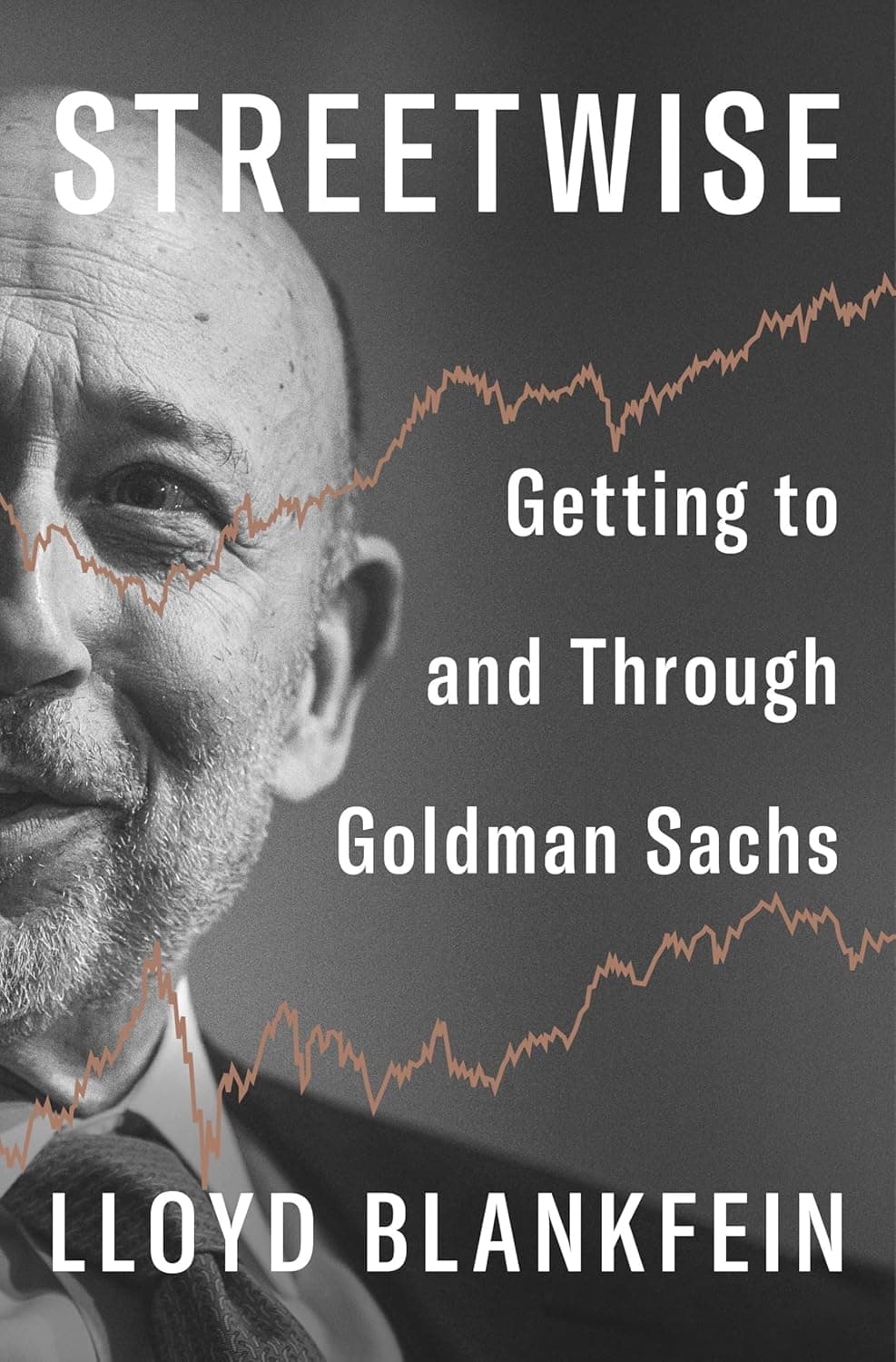
Lloyd Blankfein frames Goldman Sachs’ contradictions and bravado as strengths in his memoir Streetwise: Getting to and Through Goldman Sachs, published by Penguin Press, yet he concedes the firm has become "a little less special." The book and its promotional interviews ran across major outlets in the March 1–5, 2026 window, with Penguin Press and CBS offering slightly different publication dates.
Streetwise is billed to readers as Lloyd Blankfein’s account of rising from Brooklyn public housing to Harvard and, ultimately, to the Goldman Sachs corner office where he served as CEO from 2006 to 2018. Goldman Sachs materials identify him as Senior Chairman and former Chairman and CEO, and the firm hosted a conversation between Blankfein and current CEO David Solomon tied to the memoir’s launch that reiterated Goldman’s core values of partnership, client service, integrity, and excellence and included the firm’s standard forward-looking disclaimers.
Blankfein is unapologetic about the bank’s culture, the memoir argues, and he explicitly defends its swagger and contradictions as "sources of power." Reuters summarized that Blankfein chose to "shine a bright and uncompromising light on the firm’s inner workings" and concluded that the memoir has "done his bit to dispel the magic." The New York Times’ DealBook profile by Andrew Ross Sorkin noted Blankfein’s "wicked sense of humor" and quoted him reflecting on life after the job: "I don't have to get on a plane in three hours and fly for 27 hours, and I don't have to appear before the House Financial Services Committee on Thursday."
Streetwise also delivers internal color on how Goldman’s risk appetite evolved. The book revisits the J. Aron acquisition and its role in shifting the firm from a risk-averse commodities broker into a house that began to make bigger bets. One episode recounted in the book and reported in excerpts credits Gary Cohn with an audacious plan to buy cheap aluminium driven by a Russian production glut and stockpile it in a Rotterdam warehouse until prices recovered.

Blankfein supplies blunt character sketches of colleagues and predecessors. He describes Henry Paulson as "a driven and highly capable but often inarticulate Christian Scientist who drank milk and loved bird-watching," and quotes a former colleague who said John Thain and John Thornton acted like "the owner's sons." The book mixes "amusing anecdotes" with "honest and at times brutal assessments" to chart the personalities behind high-stakes decisions.
The memoir threads personal moments with institutional history. CBS published a Chapter I excerpt that recalls family detail including his father's weight of 223 pounds at enlistment and Blankfein's line, "I inherited both his sense of humor and his anxiety." Town & Country carried Blankfein’s reflection on timing his exit: "When you're involved in something that's going badly, you can't leave, and when things are going really well, you don't want to leave ... But that's when you have to leave."
Readers inside Goldman will note the contrast between Blankfein’s celebration of swagger and David Solomon’s post-2018 agenda to reduce earnings volatility and build more stable, technology-enabled businesses such as managing cash for corporations. Reuters framed Solomon’s strategy as a move away from the "swashbuckling pursuit of lucrative trades" toward steadier operations, a theme central to how the memoir may shape internal debate about culture versus stability going forward.
Know something we missed? Have a correction or additional information?
Submit a Tip