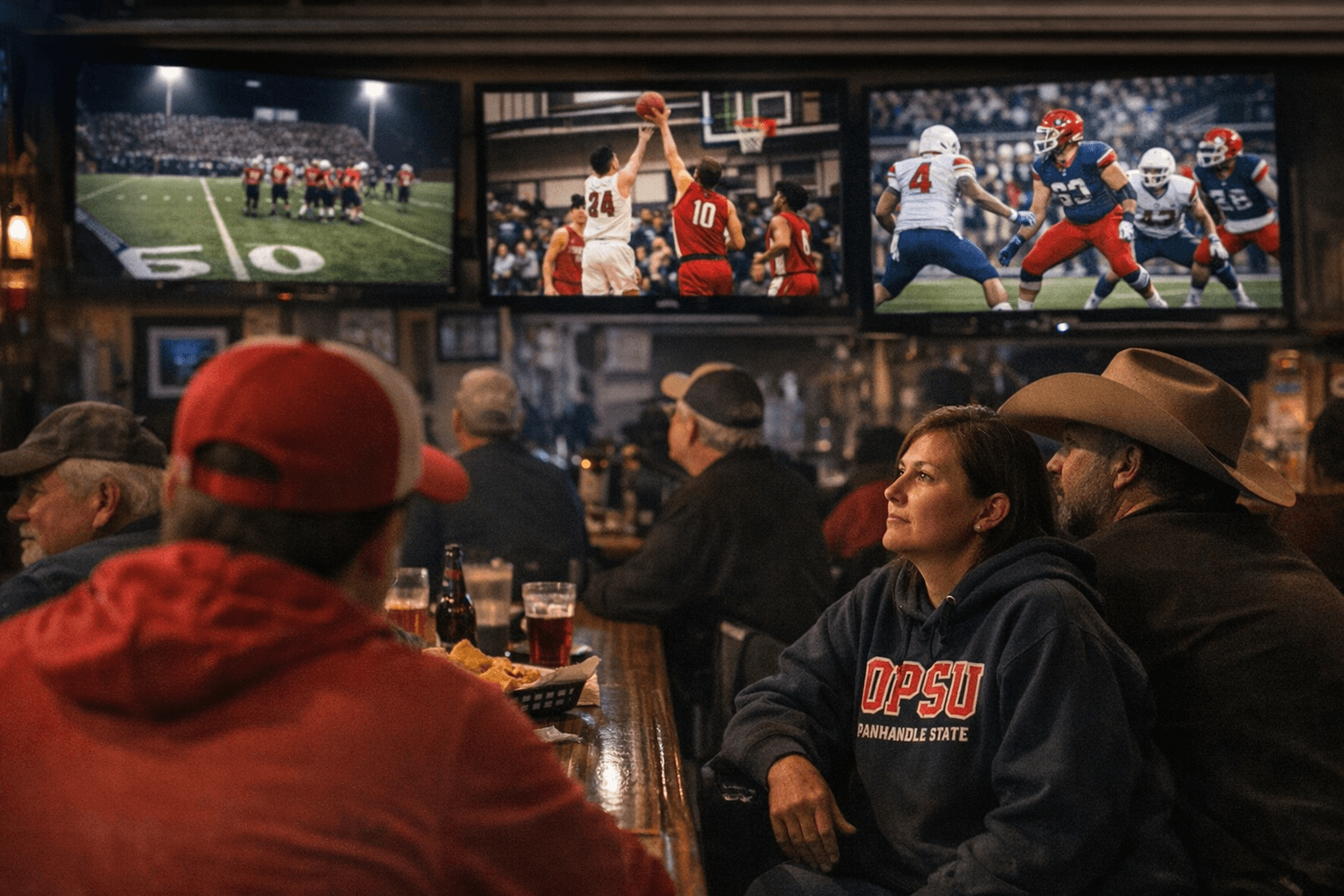
Local boosters and school channels streamed Texhoma vs Hooker high school basketball
Local boosters and school channels streamed the Texhoma vs Hooker basketball game live, widening access for family, alumni, and residents who could not attend.
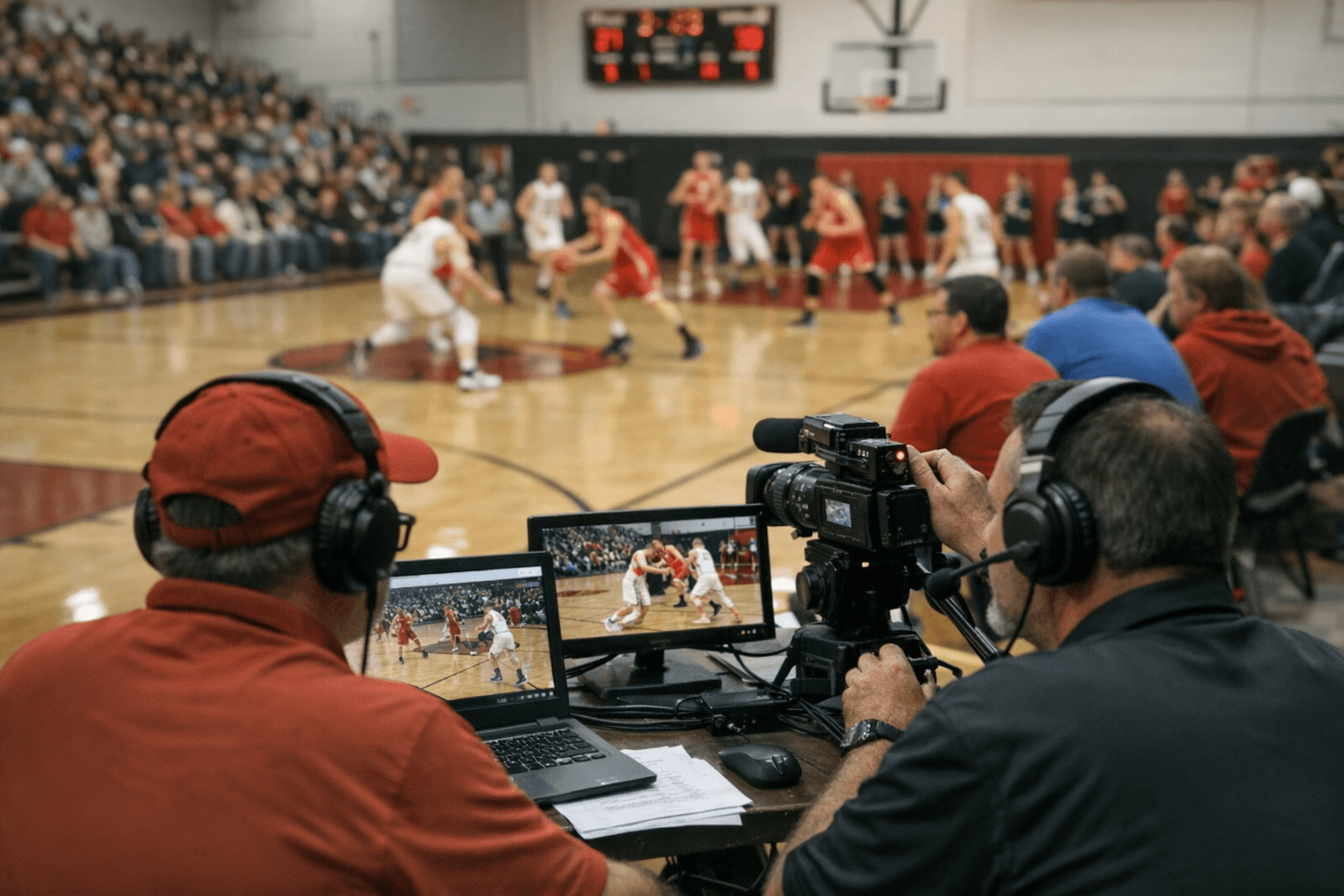
Texhoma and Hooker brought the game into living rooms across Texas County when local boosters and school-affiliated channels streamed their matchup live on the evening of February 7, 2026. Multiple community-run YouTube streams and group pages made the contest available for family members, alumni, and residents who could not travel to the gym, keeping turnout and engagement high even offsite.
The livestreams were organized and hosted by booster organizations and school media channels, which used community pages to circulate links and updates. The decentralized approach meant viewers could choose from several feeds, a practical solution in a rural county where travel time and weather sometimes prevent in-person attendance. For many parents and former students, the streams provided real-time access to a game they otherwise would have missed.
Beyond immediate access, the broadcasts carry practical implications for local booster finances and school operations. Booster clubs traditionally raise funds through ticket sales, concessions, and in-person events. Streaming expands their reach to alumni and supporters living outside the county, creating new opportunities for small-scale donations, online raffles, and sponsorship mentions during broadcasts. At the same time, producers must cover equipment and bandwidth costs, and small booster budgets often stretch to accommodate cameras, microphones, and a stable internet connection.
The shift toward community-run streaming also raises questions about equity and infrastructure. Reliable high-definition streams require robust broadband, which can be uneven across rural Oklahoma. Schools and booster groups that can invest in better equipment stand to draw larger remote audiences, while programs with weaker connections may see their reach constrained. That divergence can influence fundraising outcomes and alumni engagement over time.
There are policy considerations as well. Schools must balance open access with student privacy and district media policies. School-affiliated channels operating the streams must ensure compliance with district rules and any athletic association guidelines concerning media rights. Clear local protocols on consent and content distribution will help booster groups sustain livestreaming while protecting student athletes.
For Texas County residents, the broader trend matters because it affects how communities follow local sports and how small organizations fund activities. The Texhoma versus Hooker streams on February 7 showed that grassroots media efforts can extend community ties and channel outside support back to local programs. Expect more games to be available online and for booster clubs to increasingly view streaming as part of their fundraising and engagement toolkit. Follow your school channels and booster pages for future schedules and information on how to support local athletics.
Sources:
Know something we missed? Have a correction or additional information?
Submit a Tip