Local column links childhood lessons to civic duty and taxes
A local column tied Martin Luther King Jr.'s message to childhood civic lessons, urging residents to apply those values to county issues like property taxes and public service.

A recent opinion column used reflections on Martin Luther King Jr.'s life to argue that early childhood experiences shape how residents view civic responsibility and public service. The writer connected personal memories to broader themes of trust, accountability and social justice, urging readers to bring those formative lessons to bear on concrete county concerns such as property tax policy.
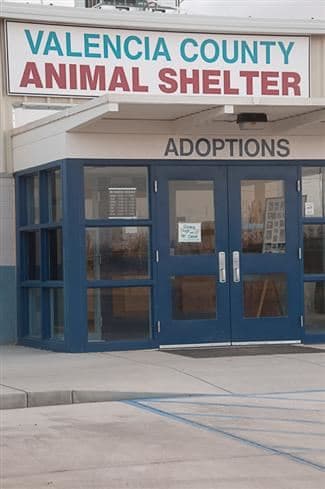
The column was presented alongside reporting on Valencia County issues, including rising worries about property assessments and tax bills. By pairing moral reflection with municipal matters, the piece reframed routine local disputes as part of a larger civic conversation about who benefits from public decisions and how officials are held accountable. For many residents, the shift from private memory to public duty is a call to examine not only policy outcomes but also the processes and institutions that produce them.
Policy implications are immediate. Property tax debates touch household budgets, school funding and municipal services. When community values emphasize fairness learned in childhood—empathy, responsibility and standing up for neighbors—those values create pressure for transparent assessment practices, accessible information about tax calculations, and meaningful opportunities for public input. The column suggests that civic formation is not merely philosophical; it must translate into institutional changes that reduce confusion and increase trust between residents and county government.
Institutional analysis points to the need for clearer communications from valuation and taxation offices, better public outreach on assessment cycles, and opportunities for residents to question and appeal decisions. Civic engagement is central: attendance at commission meetings, participation in budget hearings, and informed voting are ways that private convictions become public influence. Voting patterns in Valencia County will reflect how successfully officials respond to these demands for clarity and fairness.
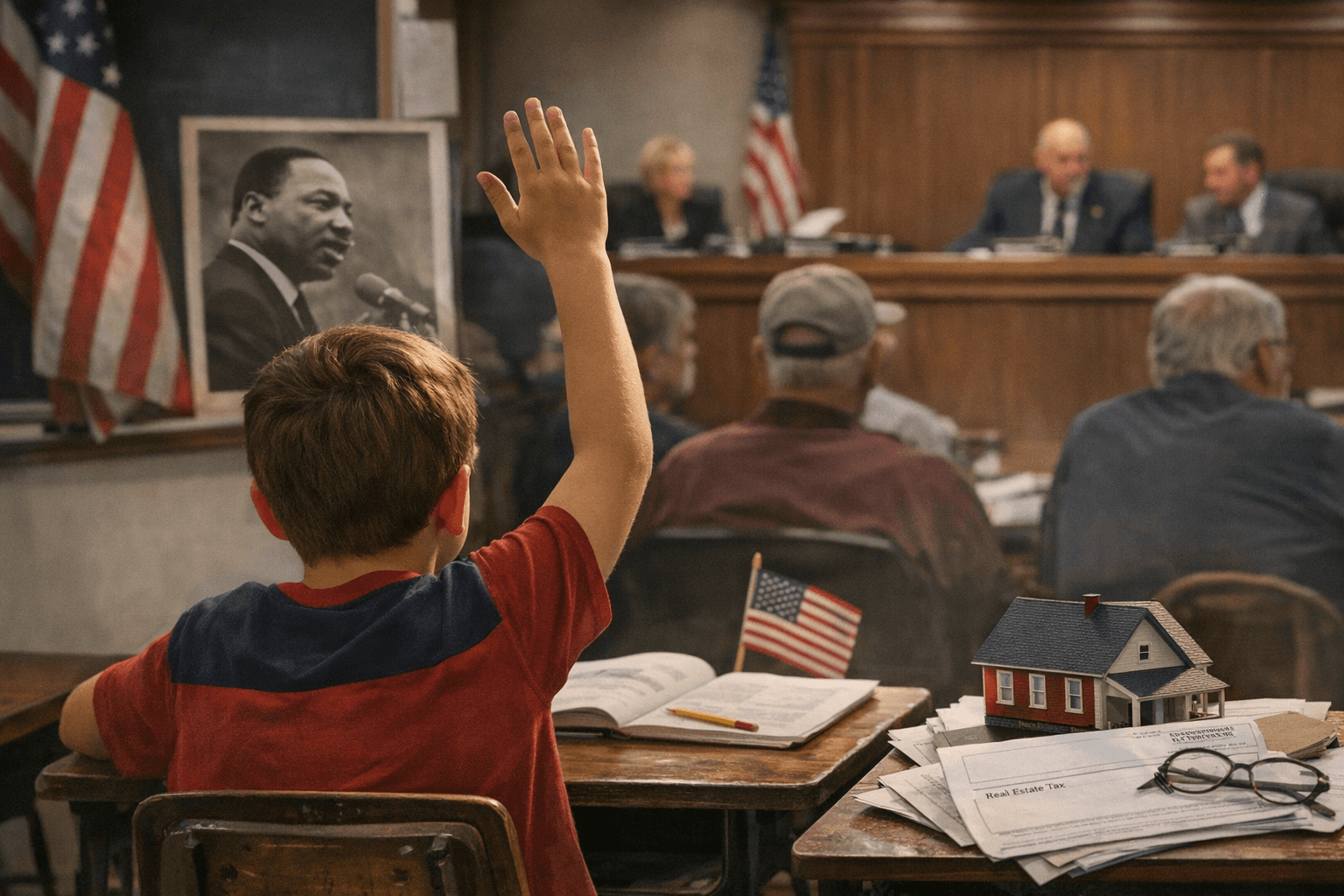
For community life, the column reclaims everyday memories—family conversations, school lessons, church teachings—as seeds of public action. That framing resonates locally: concerns about property tax bills are not abstract technicalities but issues that affect neighbors in Los Lunas, Belen and unincorporated parts of the county. Translating personal ethics into civic practice can reshape who is heard at the dais and who influences policy outcomes.
What this means for readers is straightforward. The moral lessons many residents carry can be mobilized into civic practice: examine your property tax notices, engage with county processes, attend public meetings and make your expectations for transparency known to elected officials. The next test for local leaders will be whether they respond to that engagement with clear explanations and policies that reflect the community values highlighted in the column.
Sources:
Know something we missed? Have a correction or additional information?
Submit a Tip