Local forum outlines services, policy shifts to address homelessness
Community forum united providers and city leaders to map services and policy steps for people experiencing homelessness. It matters because residents can connect neighbors to support and shape local policy.
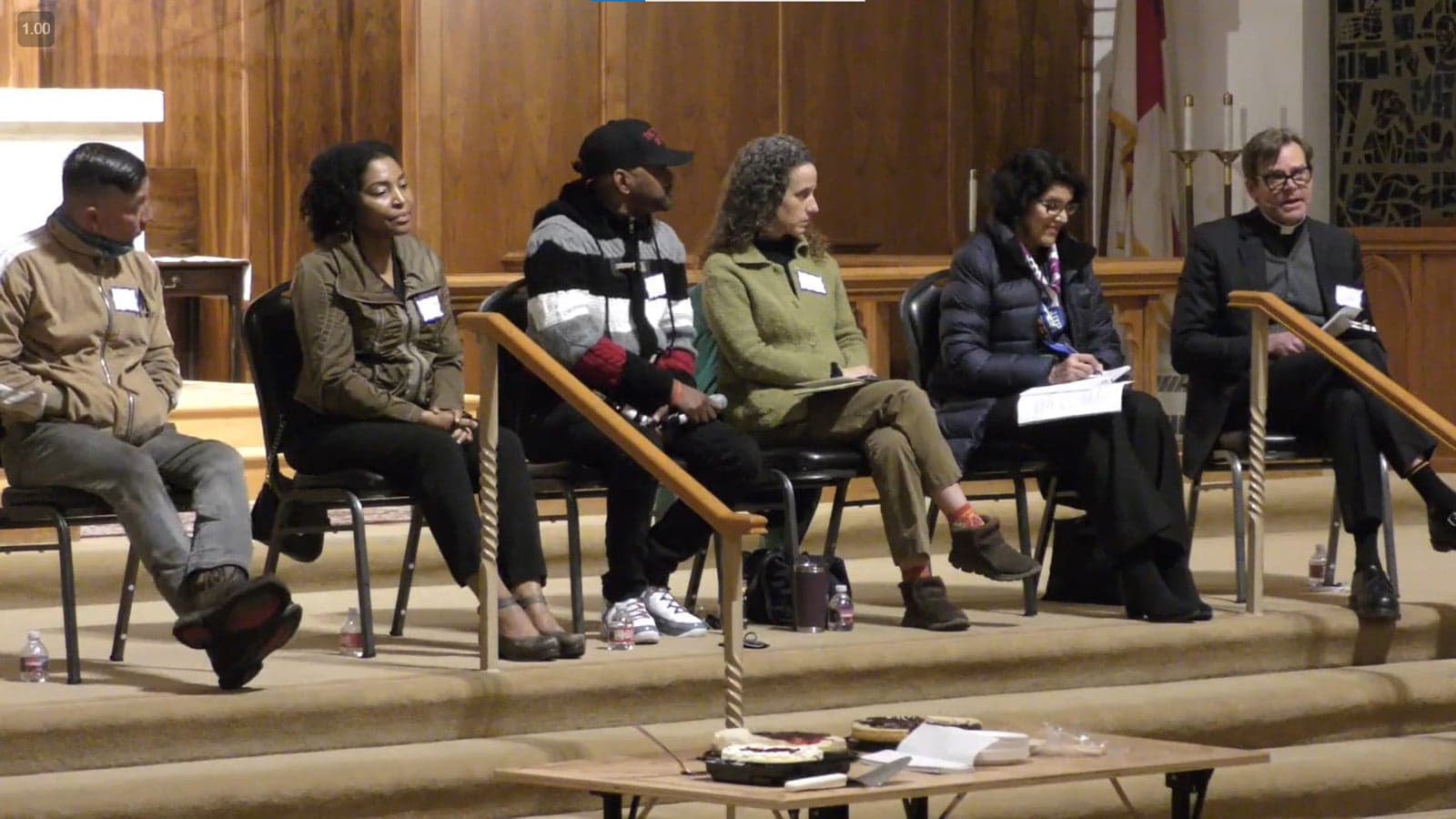
On Jan. 16, 2026, the Jacksonville Area Conference of Churches hosted a forum that brought together New Directions, The Salvation Army, city officials and other service providers to lay out how Morgan County is responding to homelessness and how residents can help. The gathering emphasized the breadth of housing instability in the county and tied immediate services to longer-term policy tools.
Speakers described a continuum of need, from unsheltered residents on the street to people doubled up with friends or family and those living in vehicles. Providers presented operational details of existing programs: The Salvation Army’s daytime warming center and emergency transitional housing and New Directions’ overnight shelter paired with wraparound services. Officials discussed a proposed revision to the city’s no-camping ordinance and efforts to attract affordable-housing developers as complementary policy responses.
The forum framed the issue as more than shelter capacity. Service providers stressed the importance of connecting clients to mental-health care, job placement services and pathways to longer-term housing. Panelists said that tailored services, coordinated referrals and case management are central to preventing repeat crises and moving people toward stability. For residents, the event offered a practical orientation to where help is available and how neighbors can act as connectors to those resources.
City officials signaled a two-track approach: enforcement and regulation through a revised no-camping ordinance, and market-facing measures to bring affordable-housing projects to the county. Attendees discussed how zoning flexibility, incentives for developers and local partnerships with nonprofits could expand housing supply. Providers warned that enforcement without sufficient housing alternatives would displace people without resolving underlying needs.
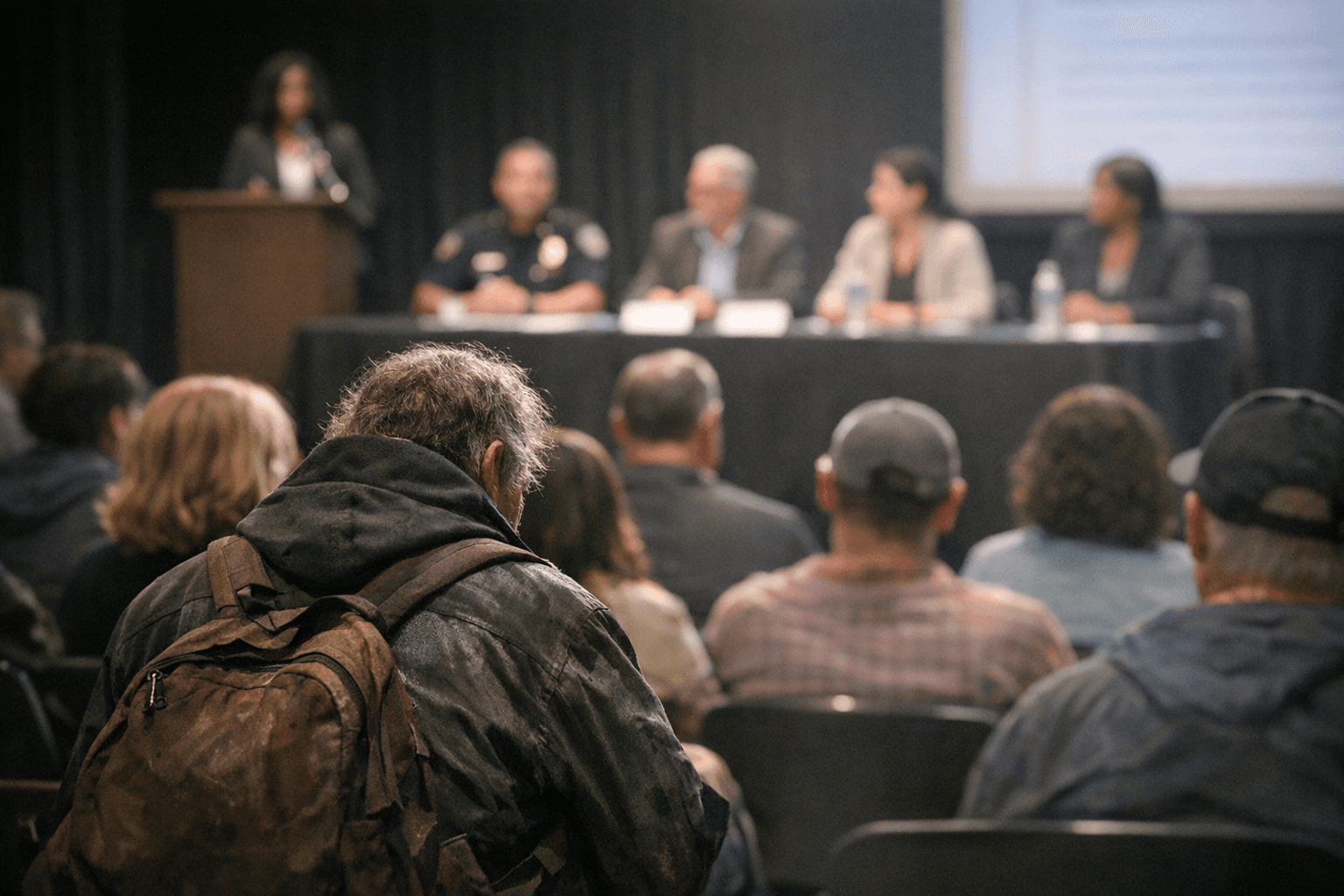
The discussion carries clear implications for Morgan County taxpayers and neighborhoods. Investments in wraparound services and supportive housing shift costs from repeated emergency responses to more stable, long-term outcomes. At the same time, fostering developer interest in affordable units will require municipal policy changes and likely public-private coordination to bridge financing gaps.
For residents, the forum made two things plain: the local landscape of homelessness includes people in many living situations, and solutions require a mix of compassion, services and civic policy. Organizers encouraged community members to learn the range of services available, make referrals when they encounter someone in need and follow city deliberations on the no-camping ordinance and housing initiatives.
What comes next is coordination. Providers will continue to align shelter, mental-health and employment supports while city leaders pursue ordinance revisions and developer outreach. For Morgan County readers, the outcome will affect neighborhood safety, social services demand and the availability of affordable housing in the months ahead.
Sources:
Know something we missed? Have a correction or additional information?
Submit a Tip