Long Island Republicans Mostly Silent on Proposed Jan. 6 School Mandate
Long Island Republican officeholders mostly did not respond to inquiries about a bill to require schools to teach about Jan. 6, leaving local educators and parents without clear guidance on a contentious curriculum change.
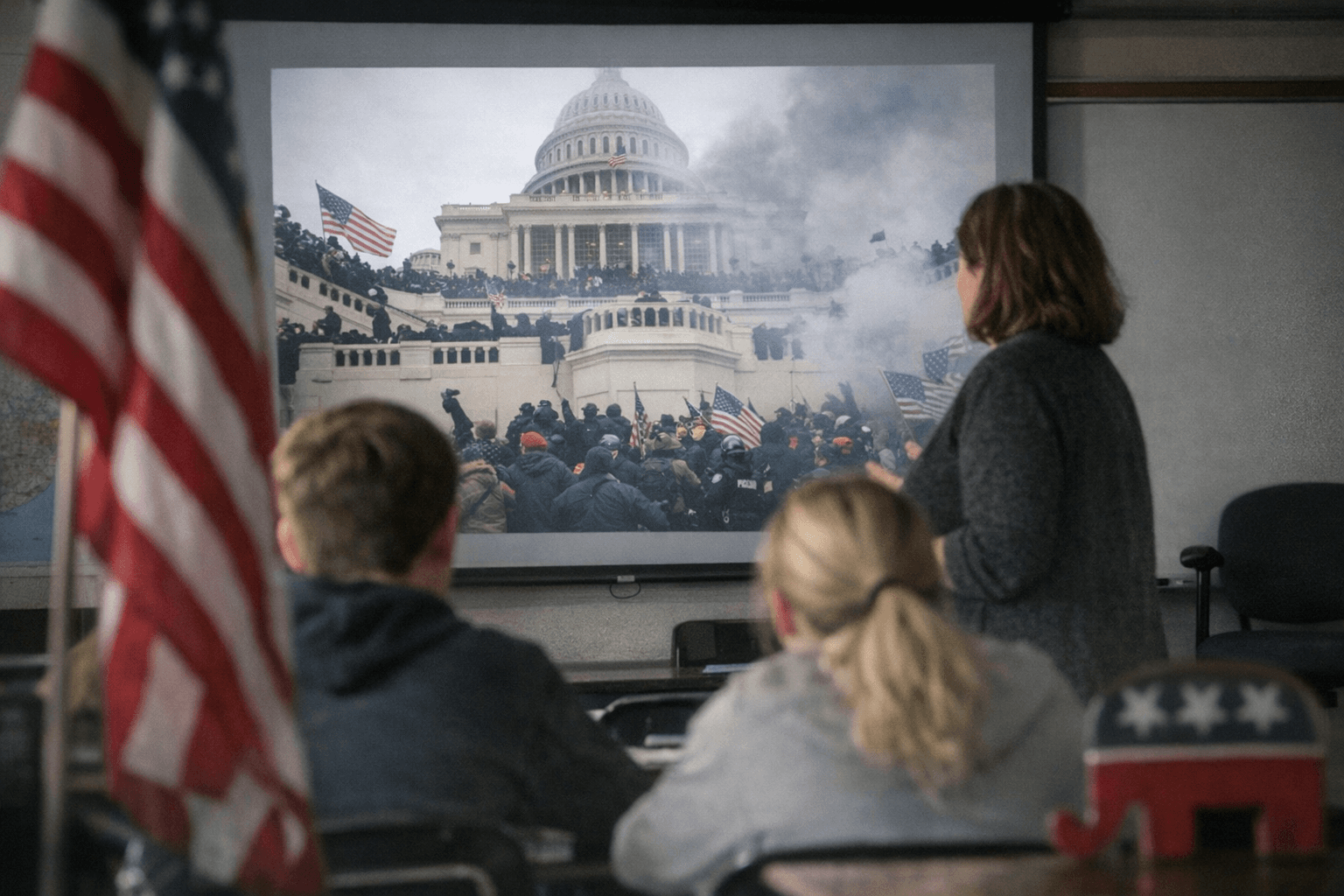
Long Island Republicans were largely silent after reporters reached out about a proposed New York State bill that would require schools to teach about the Jan. 6, 2021 attack on the U.S. Capitol. Our reporters contacted 27 Long Island Republican officeholders and received limited responses, with few officials engaging substantively on the policy or its implications for local schools.
Those who did comment framed the measure as political theater or cautioned that mandating instruction on a single contemporary political event could set a precedent for politicized curricula. The muted response from the majority of officeholders leaves school districts across Suffolk County facing uncertainty about how state-level debate might affect local classroom decisions. School boards, superintendents, and teachers confront potential changes to lesson plans while parents weigh civic education against concerns about political framing.
The bill remains in the early stages of the legislative process and must still move through the New York State Legislature and be signed by the governor to become law. If enacted, the mandate would affect how districts integrate a recent, contested event into civics and history instruction, a task that often falls to local educators within state standards. The proposal has reignited longstanding tensions over curriculum control - between state-level lawmakers who can set requirements and local districts that design day-to-day instruction.
For Suffolk County voters, the debate opens questions about representation and accountability. Elected Republicans who declined to respond represent communities that will be directly impacted by any change to school curricula, from elementary social studies classes to high school government courses. Silence from officeholders can be interpreted as deference to party leadership, political calculation ahead of elections, or a desire to avoid fueling controversy; regardless, it reduces public clarity at a time when civics education is already a flashpoint.
The policy implications extend beyond classroom content. Mandating instruction on a single recent event could prompt legal challenges or calls to expand required lessons to other episodes in contemporary history. It would also influence how teachers are trained and how resources are allocated for professional development and instructional materials.
Residents should watch the bill’s progress in Albany and follow their local school boards as districts consider responses. Attendance at upcoming board meetings and direct contact with state legislators are ways for Suffolk County families to make their priorities known. The coming weeks will determine whether this proposal becomes a statewide requirement or another example of high-profile legislation that stalls before reshaping local classrooms.
Sources:
Know something we missed? Have a correction or additional information?
Submit a Tip

