Long-lived Heliconius butterflies may hold clues to ageing
A tropical butterfly that can live 348 days, versus 14 for a close relative, is giving scientists a rare way to study ageing in real time.

Some Heliconius butterflies are outliving close relatives by a wide margin, and one species may be holding its muscles together with age in a way most animals do not. In a new Nature Communications study led by the University of Bristol with the Smithsonian Tropical Research Institute in Panama, researchers found that some Heliconius species lived about three times longer than nearby relatives, while Heliconius hewitsoni reached a maximum recorded lifespan of 348 days, compared with just 14 days for Dione juno.
The study pulled together evidence from commercial butterfly houses, mark-release-recapture field work and controlled insectary populations to compare lifespan and ageing across the Heliconiini tribe. That broader group averaged about six weeks, making the longevity of Heliconius especially striking. The work was published on June 16, 2026, and later highlighted by Nature on June 19. Researchers including Jessica Foley, Stephen H. Montgomery, Josie McPherson, Louise Bestea and Sebastián Mena examined not just how long the butterflies lived, but whether older individuals still functioned like younger ones.
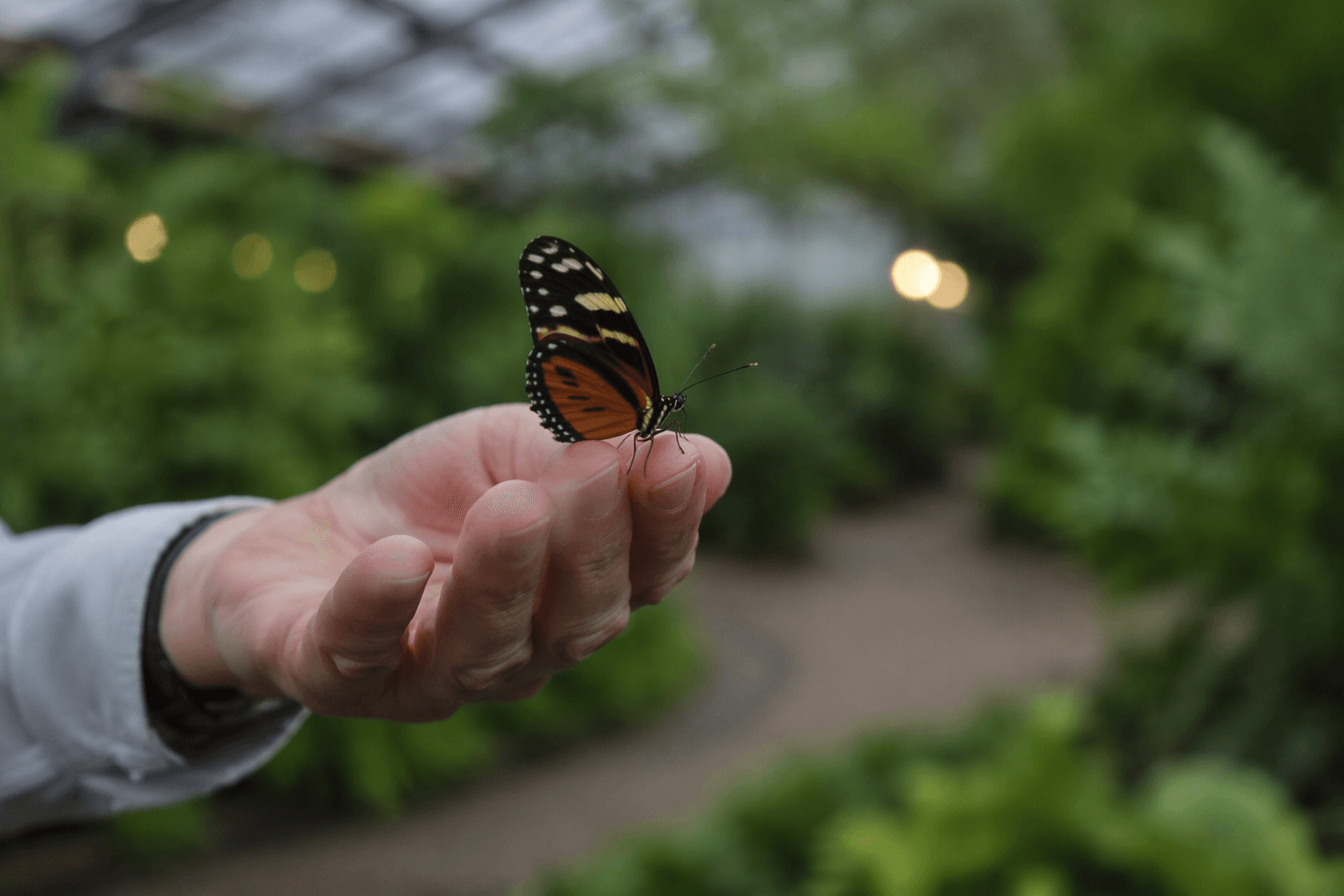
One of the clearest signals came from Heliconius hecale. In grip-strength tests, older H. hecale showed no apparent decline, while the shorter-lived Dryas iulia did show age-related weakening. That contrast suggests some Heliconius may be largely escaping the usual physiological wear that accumulates with age in most animals. The findings do not prove that the butterflies are immune to ageing, but they do point to a species that may slow the process enough for scientists to measure it in real time.
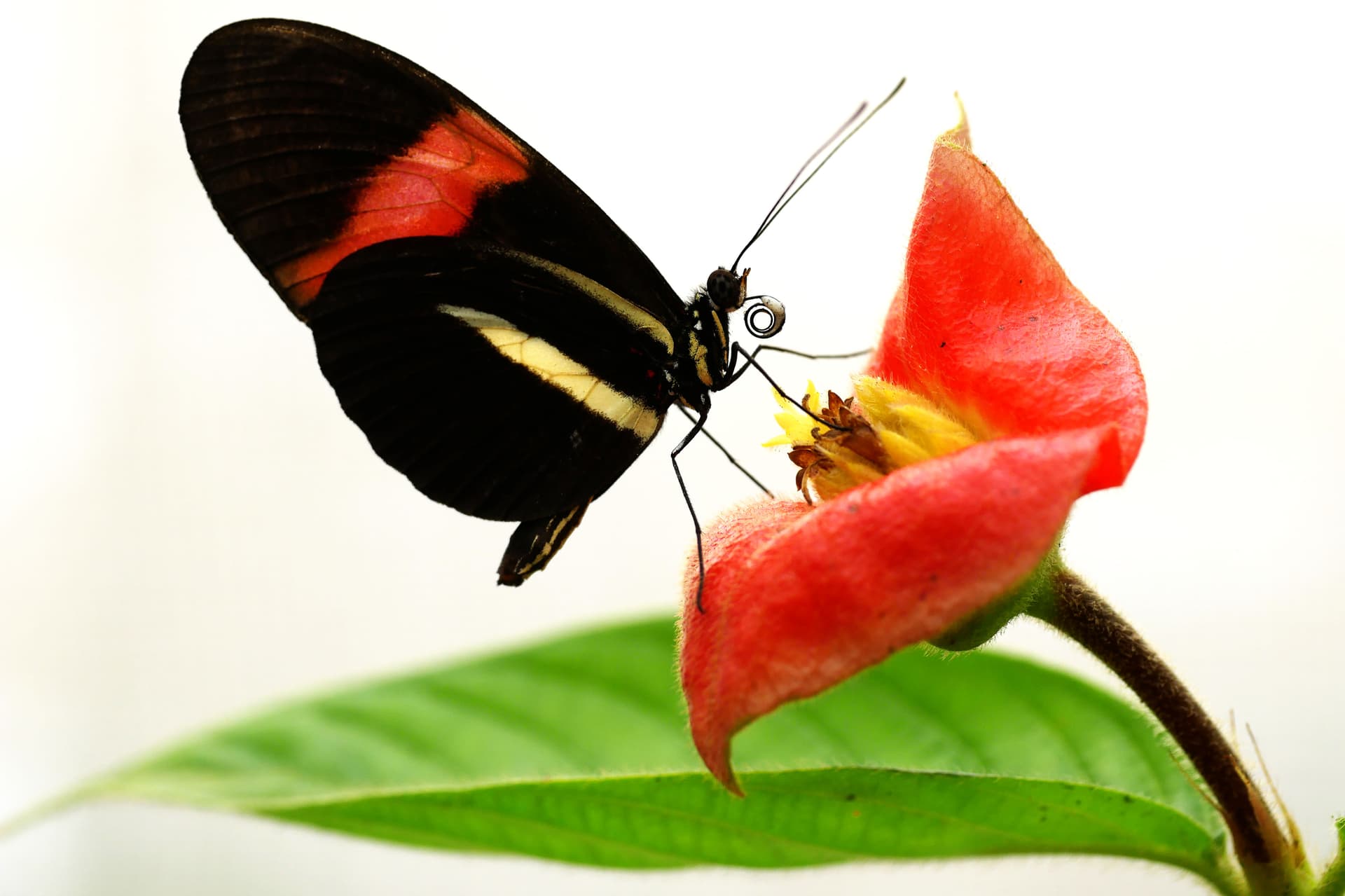
Diet appears to be part of the answer, though not the whole story. Heliconius are the only butterflies known to collect and digest pollen, and pollen gives them amino acids during adulthood. The study found that pollen-fed Heliconius outlived pollen-deprived Heliconius, yet the pattern did not reduce longevity to diet alone. Dryas iulia did not gain the same passive benefit from pollen, which suggests that Heliconius combine nutrition with inherited biology and other ecological factors to achieve their unusually long lives.


That combination is why the butterflies matter beyond entomology. Long-lived species are often difficult to track over a full lifespan, especially in mammals and birds, but Heliconius live in tropical rainforests of South and Central America, including Panama, on a time scale researchers can follow. If scientists can identify the mechanisms that let these butterflies survive longer and age more slowly, the payoff could reach well beyond the insect world and sharpen understanding of healthy ageing more broadly.
This article was produced by Prism’s automated news system from verified source data, official records, and press releases, then run through automated quality and moderation checks before publishing. The system is built and supervised by the people who set the standards it runs under. Read our full AI policy.
Did this article answer your question?