Longest federal department shutdown ends as Trump signs DHS funding bill
Trump signed the DHS funding bill after 76 days, but the real concession was a separate fight over ICE and Border Patrol, not an end to the pressure on airports and the Coast Guard.
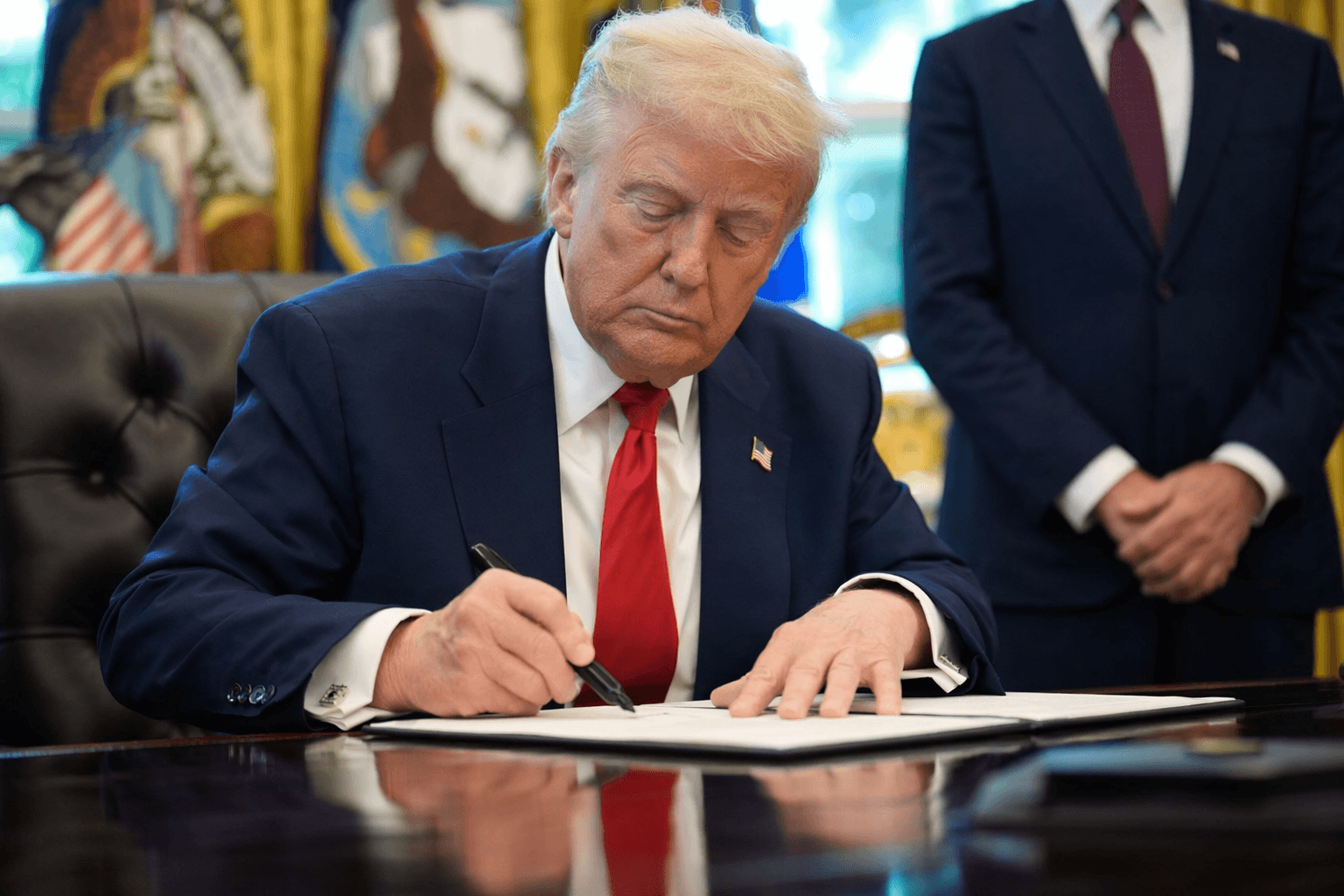
President Donald Trump ended the 76-day partial shutdown of the Department of Homeland Security on Thursday by signing legislation that restored funding to most of the department, closing out the longest shutdown of a federal department in U.S. history. The House had unanimously approved the Senate-passed measure after weeks of escalating strain at airports, in emergency-response operations and across Coast Guard missions.
The bill kept the Transportation Security Administration, the Federal Emergency Management Agency and the Coast Guard financed, but left Immigration and Customs Enforcement and Border Patrol outside the package. That split was the deal’s real substance. Lawmakers did not settle the immigration-enforcement fight itself; they pushed it into the budget reconciliation track, turning what had been a shutdown leverage point into a separate battle over money and timing.
That shift mattered because the shutdown’s leverage had already begun to crack. DHS spending authority expired on February 14, 2026, and Congress had been using repurposed funds to keep workers paid while leaders searched for an exit. That temporary fix was set to run out within days. At the same time, more than 1,100 TSA workers had quit during the shutdown, underscoring how quickly a funding lapse can hollow out airport security even when terminals keep moving.
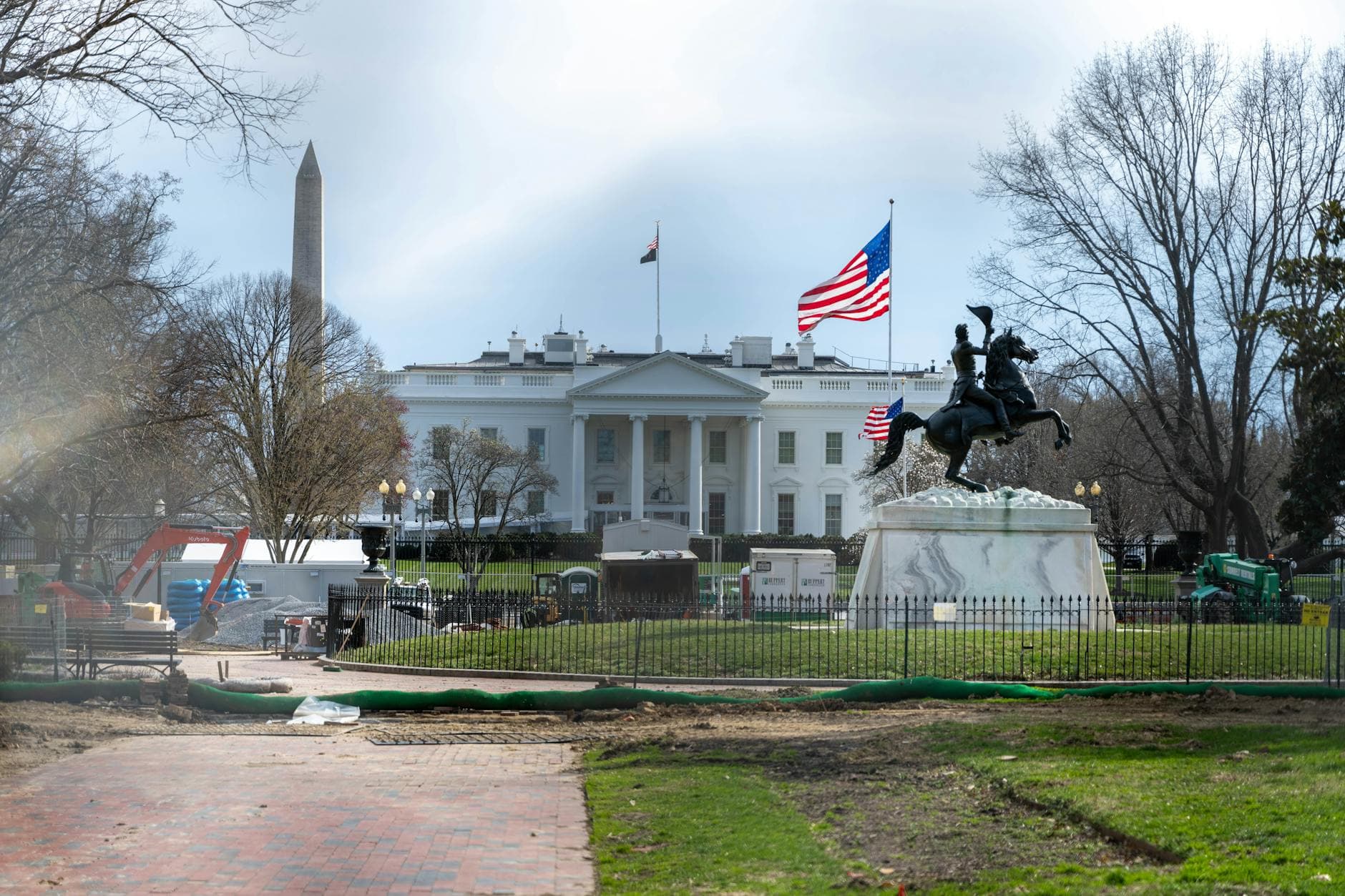
For the Coast Guard, the pressure was even more immediate. The service was set to run out of funding to pay personnel on May 1, with the first missed paychecks expected on May 15. That deadline, along with the strain on TSA staffing and FEMA operations, helped force the last-round compromise. The shutdown had become a test of whether either side could still extract more than a procedural win; in the end, the answer was no.
The agreement did not erase the fallout. TSA recruitment and retention are already weakened by the loss of 1,100 workers, and the Coast Guard still faces the aftereffects of days spent racing a paycheck clock. Airports, emergency managers and border agencies will keep working under a patchwork political truce, while the fight over ICE and Border Patrol moves to another arena.
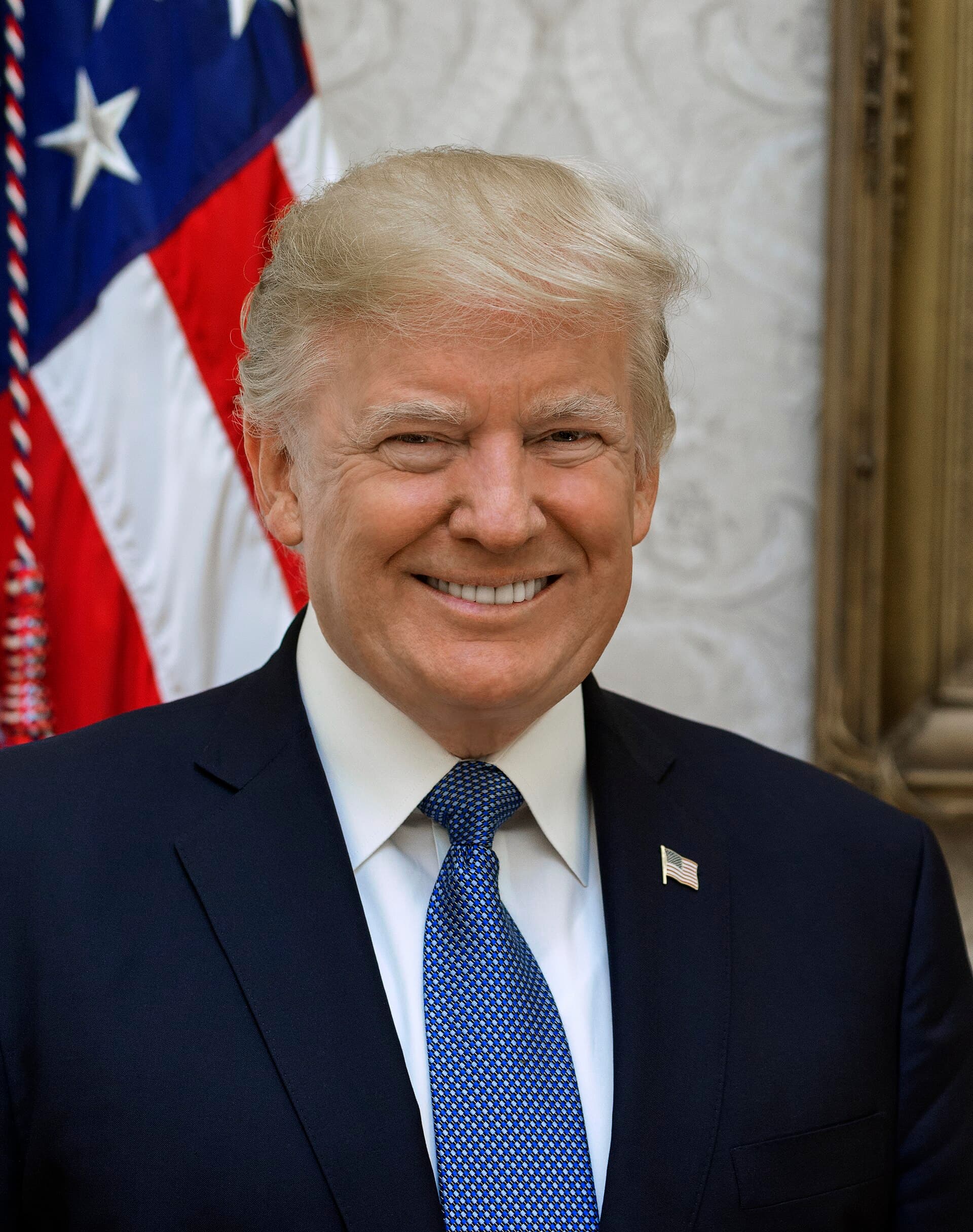
The 76-day closure surpassed the previous record of 35 days, set from December 22, 2018, to January 25, 2019. The Congressional Budget Office estimated that earlier shutdown delayed about $18 billion in federal discretionary spending and cut real GDP by $8 billion in the first quarter of 2019. That episode ended without the border-wall money Trump had demanded, and this one closed with a similar pattern: a shutdown that failed to win the full prize its backers wanted, but still left workers, contractors and public services to absorb the damage.
This article was produced by Prism’s automated news system from verified source data, official records, and press releases, then run through automated quality and moderation checks before publishing. The system is built and supervised by the people who set the standards it runs under. Read our full AI policy.
Did this article answer your question?

