Los Angeles Zoo celebrates five great ape births in four-month span
Five great ape births in under four months gave the Los Angeles Zoo rare momentum, but the real test is whether captive gains help endangered species recover.
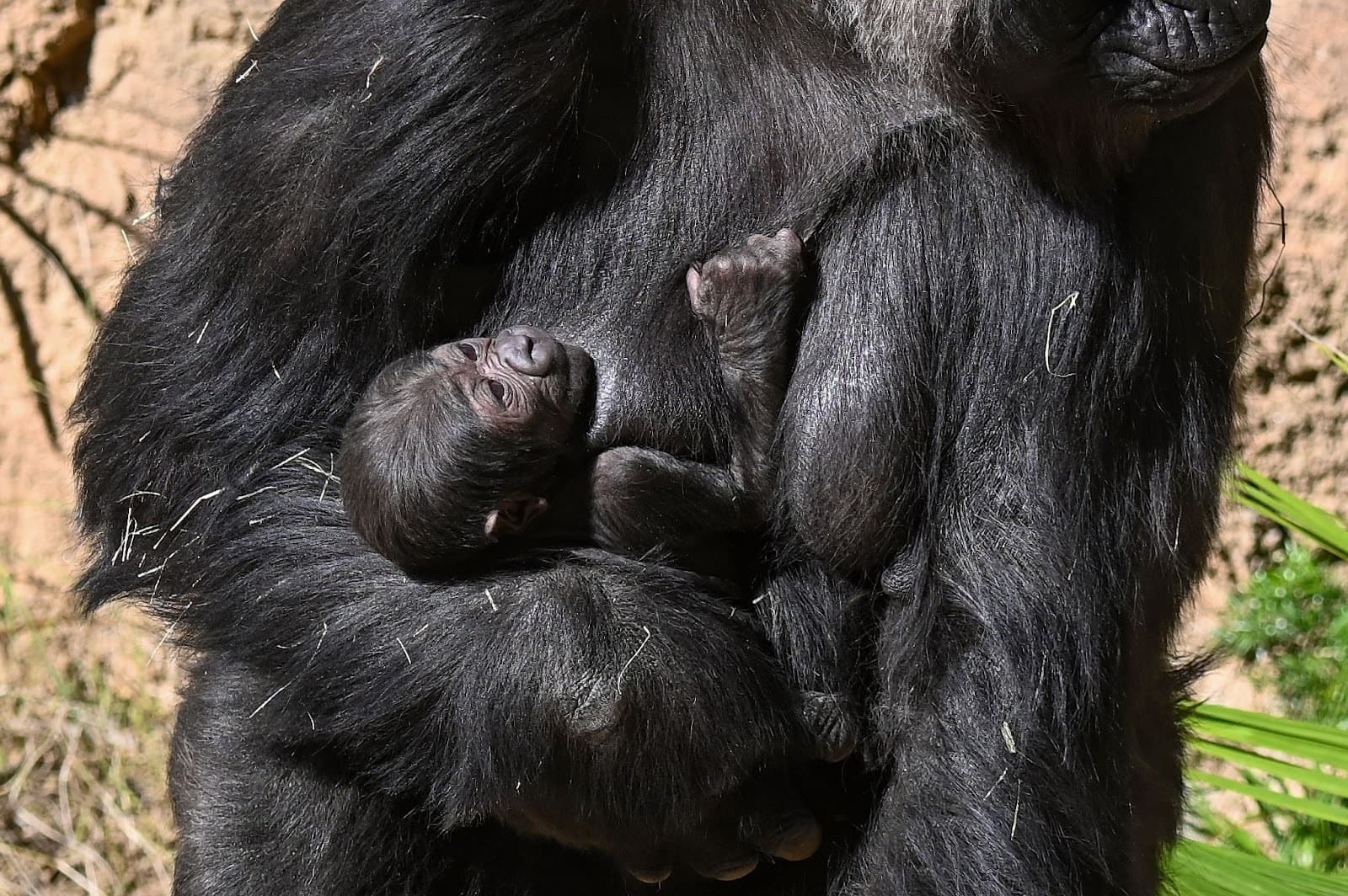
The Los Angeles Zoo logged an unusual burst of life this year: five great ape births in roughly four months, including three chimpanzees, one Bornean orangutan and one western lowland gorilla. The arrivals gave the Griffith Park zoo a burst of attention, but they also put a harder question front and center: whether these births amount to measurable conservation progress or mostly a public-relations win.
The most recent birth came on Saturday, Nov. 22, when a western lowland gorilla was born to N’djia, 31, and Kelly, 38. It was the pair’s second offspring; their first, Angela, was born at the Los Angeles Zoo in 2020. Zoo officials said the infant was bonding with its mother behind the scenes before a public debut in the Campo Gorilla Reserve.
That gorilla joined a run of other births that began in late summer. The first chimpanzee infant arrived on Aug. 20, born to Yoshi, 35, and Pu’iwa, 26. A second chimpanzee was born Sept. 9 to Vindi, 18, a first-time mother, and a third chimpanzee followed in November to Zoe, an experienced mother. The chimp births were described by zoo officials as contributing to the troop’s social dynamics, a reminder that breeding success in primates is not only about adding animals, but also about maintaining stable groups.
The zoo’s orangutan announcement carried its own significance. A male Bornean orangutan was born on Oct. 10 to Kalim, 43, and Isim, 31, the first Bornean orangutan birth at the Los Angeles Zoo in nearly 15 years. The infant later remained with its mother before a public appearance in the Red Ape Rain Forest.
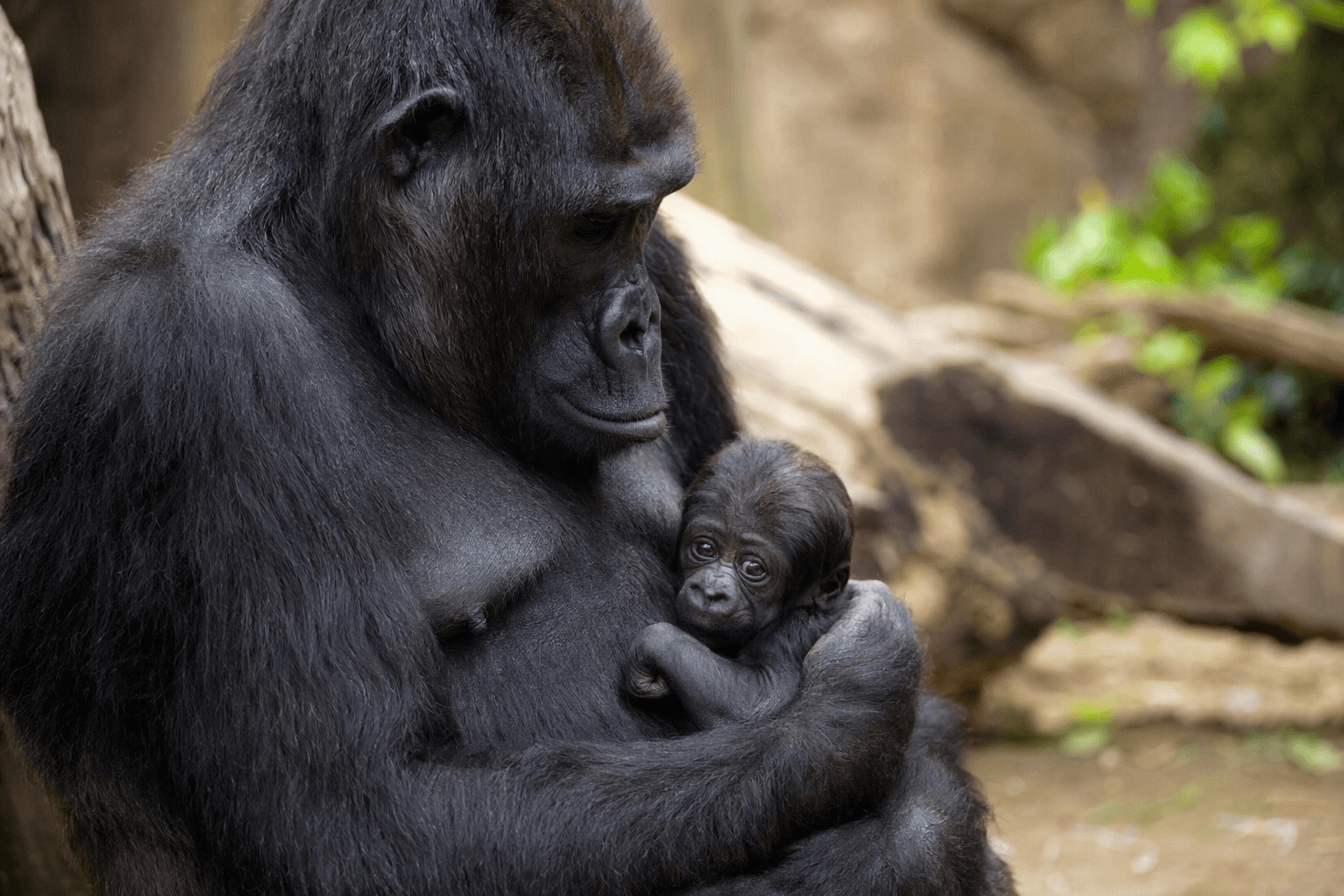
The conservation case for these births is strongest when measured against the species’ decline in the wild. Western lowland gorillas are listed as Critically Endangered on the IUCN Red List and have suffered more than an 80% population reduction over three generations because of poaching, disease and habitat loss. Bornean orangutans are also Critically Endangered, with IUCN reporting a decline of more than 60% between 1950 and 2010, driven by habitat destruction, degradation, fragmentation and hunting. Chimpanzees are listed as Endangered.
That is why zoos and the Association of Zoos and Aquariums frame births like these as part of Species Survival Plan programs, which are designed to manage ex situ populations across accredited zoos and aquariums. The strategy is less about replacing wild populations than preserving genetically healthy insurance colonies while conservationists work on the harder task of protecting habitat and reducing direct threats. In that sense, the Los Angeles Zoo’s five-baby streak is real progress, but only the beginning of the conservation story.
This article was produced by Prism’s automated news system from verified source data, official records, and press releases, then run through automated quality and moderation checks before publishing. The system is built and supervised by the people who set the standards it runs under. Read our full AI policy.
Did this article answer your question?