Low Danube levels threaten Hungary’s Paks nuclear plant shutdown
Low Danube water shut one reactor at Paks and threatened a wider outage within 72 hours. The plant supplies about half of Hungary’s power, so the hit could ripple into prices and grid stability.
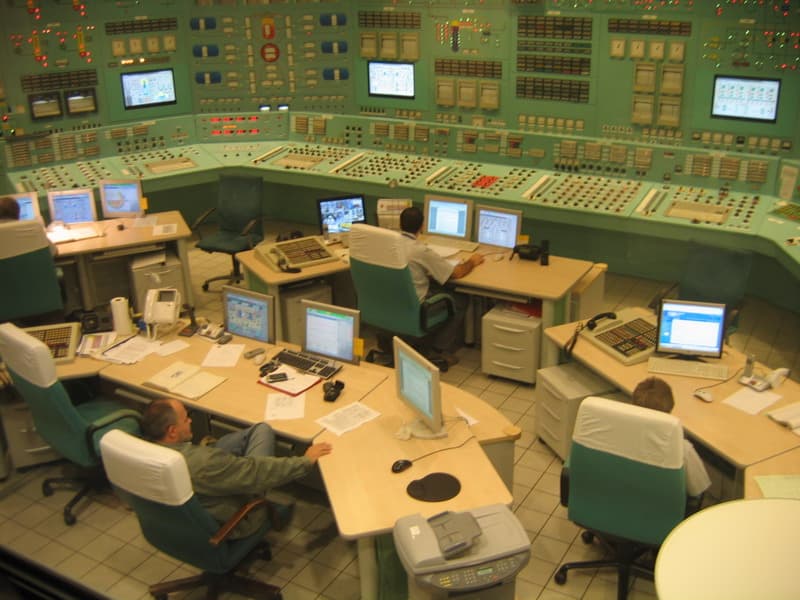
Low water on the Danube forced Reactor 3 at Hungary’s Paks nuclear plant to shut down, and Prime Minister Viktor Orban said the station could be powered down further within days. The plant sits about 100 km south of Budapest and is central to Hungary’s electricity system, so a loss of output quickly becomes a national problem, not just an operating glitch.
Paks is Hungary’s only nuclear plant. It has four VVER-440 reactors with a combined capacity of about 1,916 MWe, and it generates around half of the country’s electricity. That scale means the government cannot treat an outage as a minor technical interruption. If output falls sharply, officials have to lean on imports, alternative generation and short-term grid adjustments to keep supply balanced.
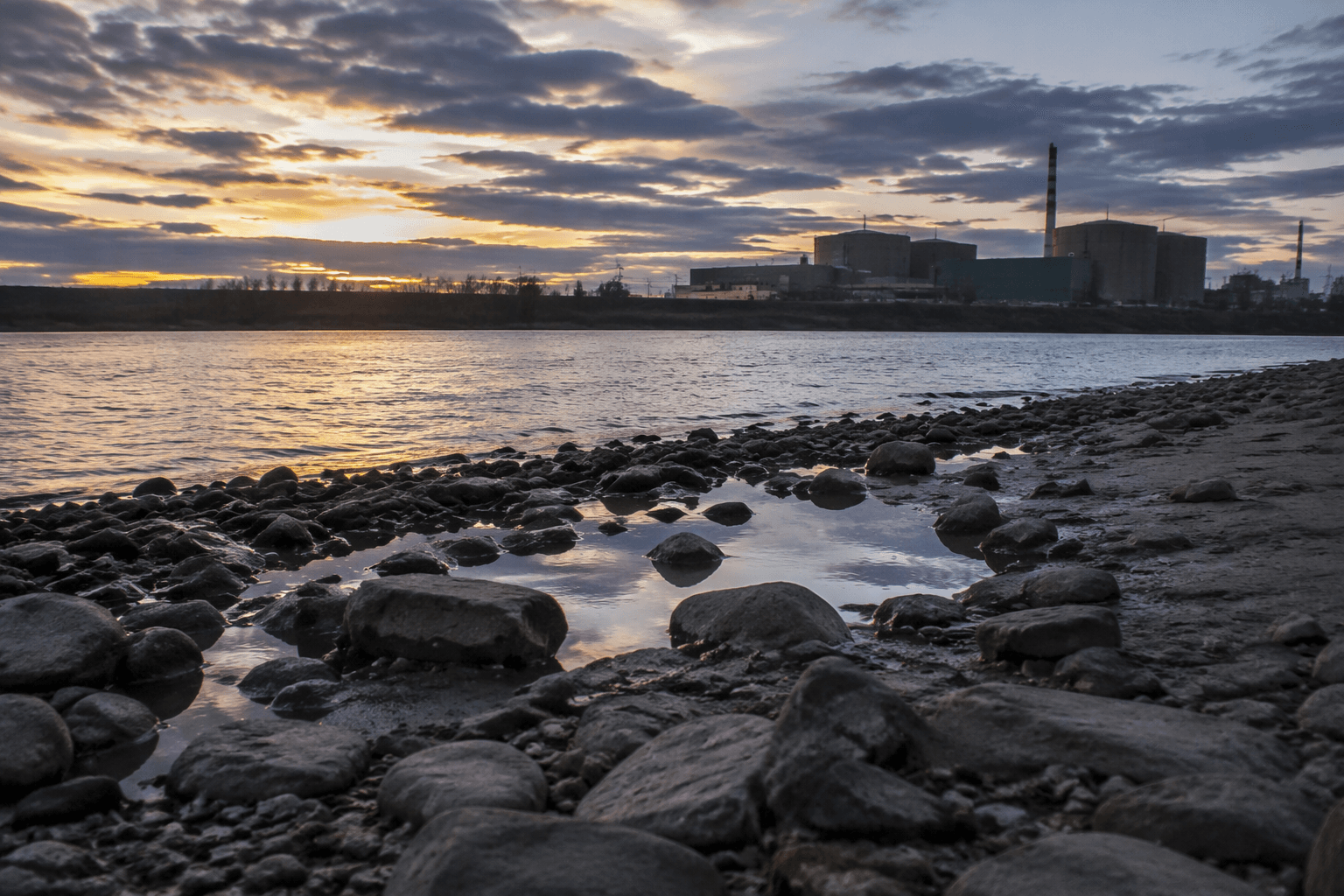
The immediate trigger was the Danube itself. Record-low river levels restricted cooling water intake, and the plant’s Reactor 3 was taken offline because the water had dropped too low for the suction nozzles to reach it. Reuters said the plant could face a full shutdown within about 72 hours, and later reported that the low water could keep it shut for weeks. That would turn a water-level problem into a broader supply shock for a country that relies heavily on one generating site.
The strain is not confined to Hungary. Romania’s Cernavoda nuclear plant also cut output because of the same low-water conditions on the Danube system, showing how one river can squeeze multiple power assets at once. A Reuters package on July 31 said low water levels in major European rivers were reducing power output and disrupting transport across the continent, linking the Paks case to a wider pattern of energy fragility and infrastructure stress.
The plant’s age adds to the concern. Paks was founded in 1976 and has operated for more than 40 years, making it the backbone of Hungary’s nuclear fleet for decades. Some coverage described the threatened outage as the plant’s first full shutdown in 44 years, underscoring how unusual the event is for a station that has long been treated as one of the country’s most dependable power sources.
This article was produced by Prism’s automated news system from verified source data, official records, and press releases, then run through automated quality and moderation checks before publishing. The system is built and supervised by the people who set the standards it runs under. Read our full AI policy.
Did this article answer your question?