Low snowpack warnings raise summer water concerns for Union County
A regional forecast shows mild, mostly dry weather left local basins below typical snow-water equivalents. Union County faces higher risk of early melt and lower summer streamflows.
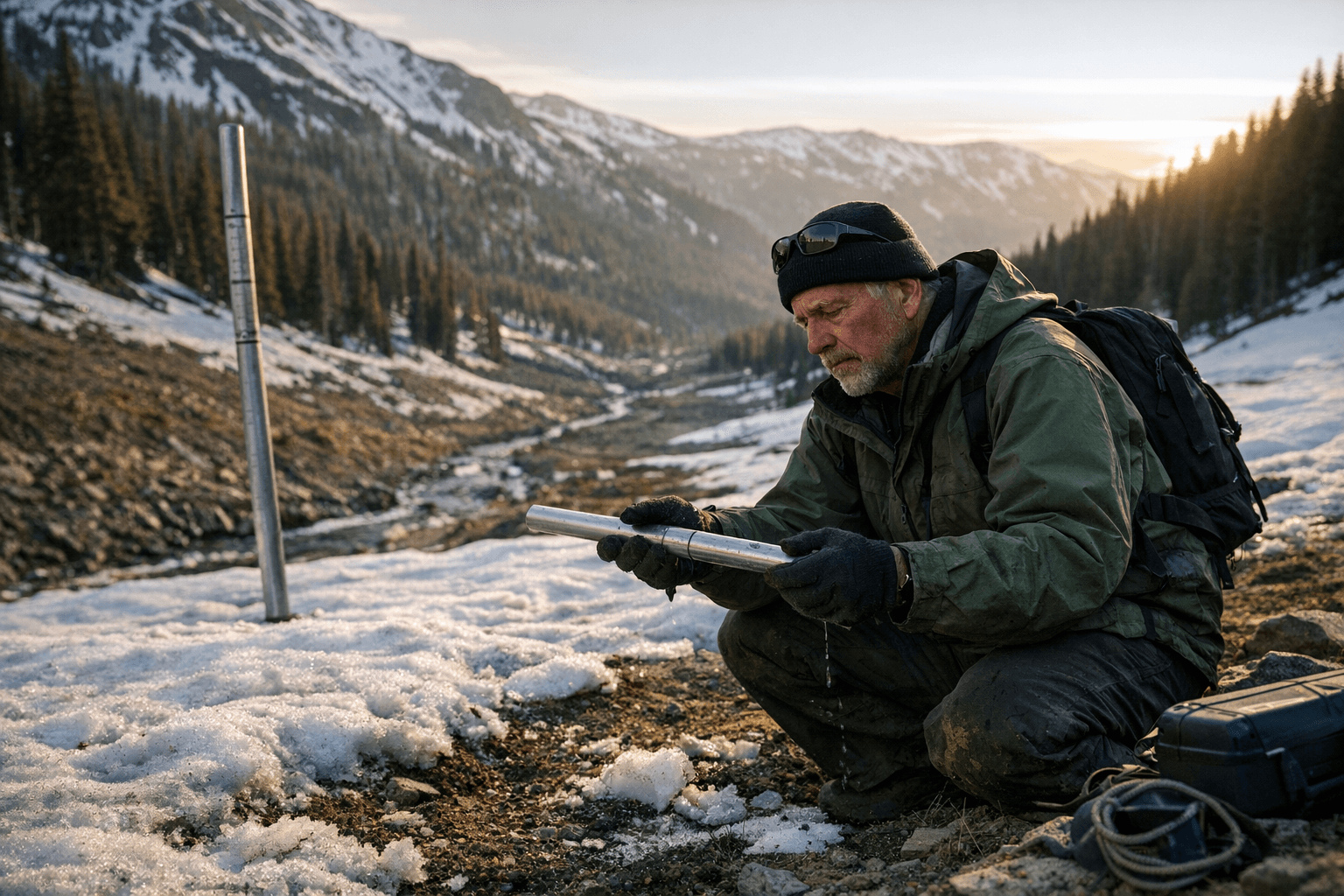
A short stretch of mild, mostly dry weather in mid-January followed an early-month storm and left key northeastern Oregon basins with less snow than is typical for this time of year, raising concerns for Union County water supply and downstream flows.
The five-day outlook for Jan. 14–18 projected warm daytime highs across much of the state, including temperatures near ski areas climbing into the 40s and 50s, with little additional precipitation expected. While the Jan. 6–8 storm produced modest gains in some basins, the subsequent warm, sunny conditions increased melt risk and kept many basins below median snow-water equivalents for mid-January.
Of particular local importance are the Grande Ronde, Burnt, Powder and Imnaha basins that feed Union County’s surface-water systems. Those basins remain under the typical snow-water levels that managers use to estimate runoff and late-season streamflow. Lower-than-normal snow-water equivalents this winter translate into a greater likelihood of earlier melt and reduced flows later in the irrigation and recreation season.
The shortfall carries practical implications for Union County residents and operations. Lower summer streamflows can constrain irrigation for farms and ranches, stress municipal and rural water supplies, complicate fisheries and habitat planning, and pressure water managers who must balance competing demands. Ski areas and winter recreation in nearby high country may also see shortened runs as above-freezing daytime temperatures accelerate snow loss at lower elevations.
Local water districts and resource managers will be watching snowpack measurements and basin runoff forecasts closely in the coming weeks. Small late-season storms can still improve outlooks, but the recent pattern of mild afternoons and clear skies tends to boost melt and reduce the water held in mountain snowpack that sustains flows through summer. That interplay between short-term storms and intervening warm spells will shape how much additional stress the county faces as the snow season progresses.
For Union County residents, the immediate takeaway is the need for attention rather than alarm: monitor updates from county and district water officials, and plan for the possibility of tighter summer water availability. How managers respond now—through conservation messaging, reservoir operations and coordination with regional partners—will determine whether low flows translate into temporary inconvenience or more acute shortages later in the year.
Sources:
Know something we missed? Have a correction or additional information?
Submit a Tip