Lujan Grisham lays out New Mexico priorities: child care, health, climate
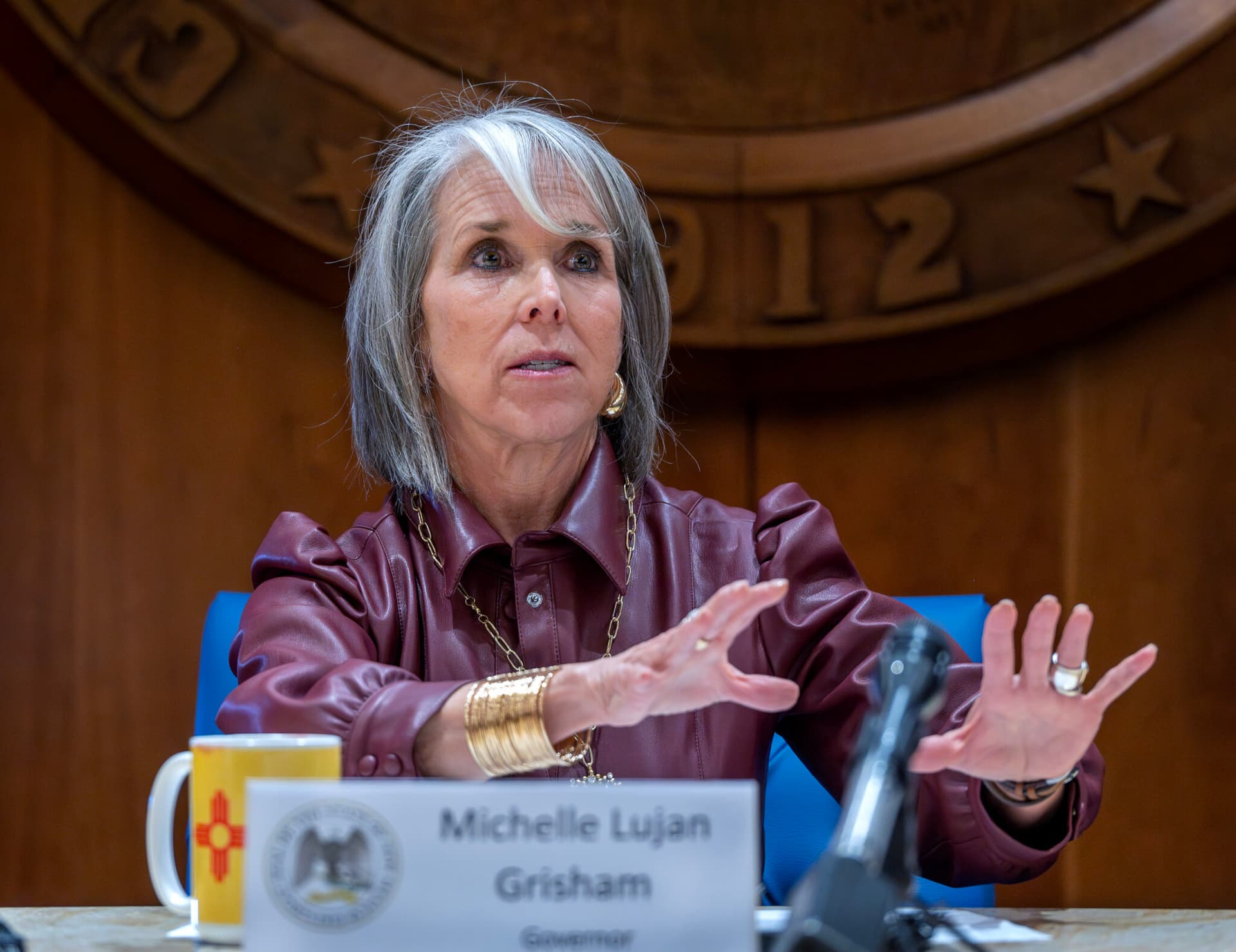
Lujan Grisham delivers a State of the State pushing universal child care, health access reforms and codified climate goals - potential changes for local services, schools and planning.
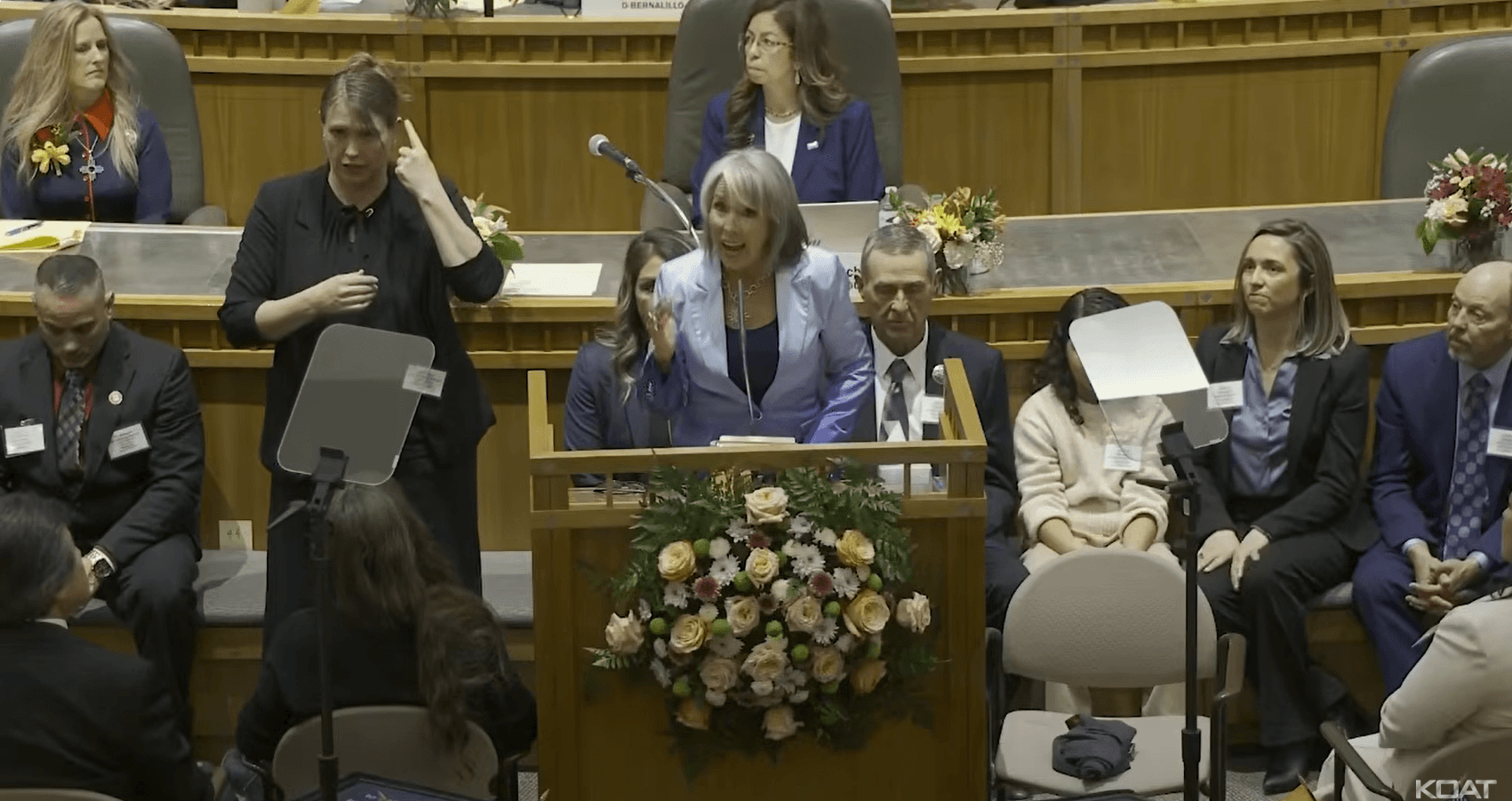
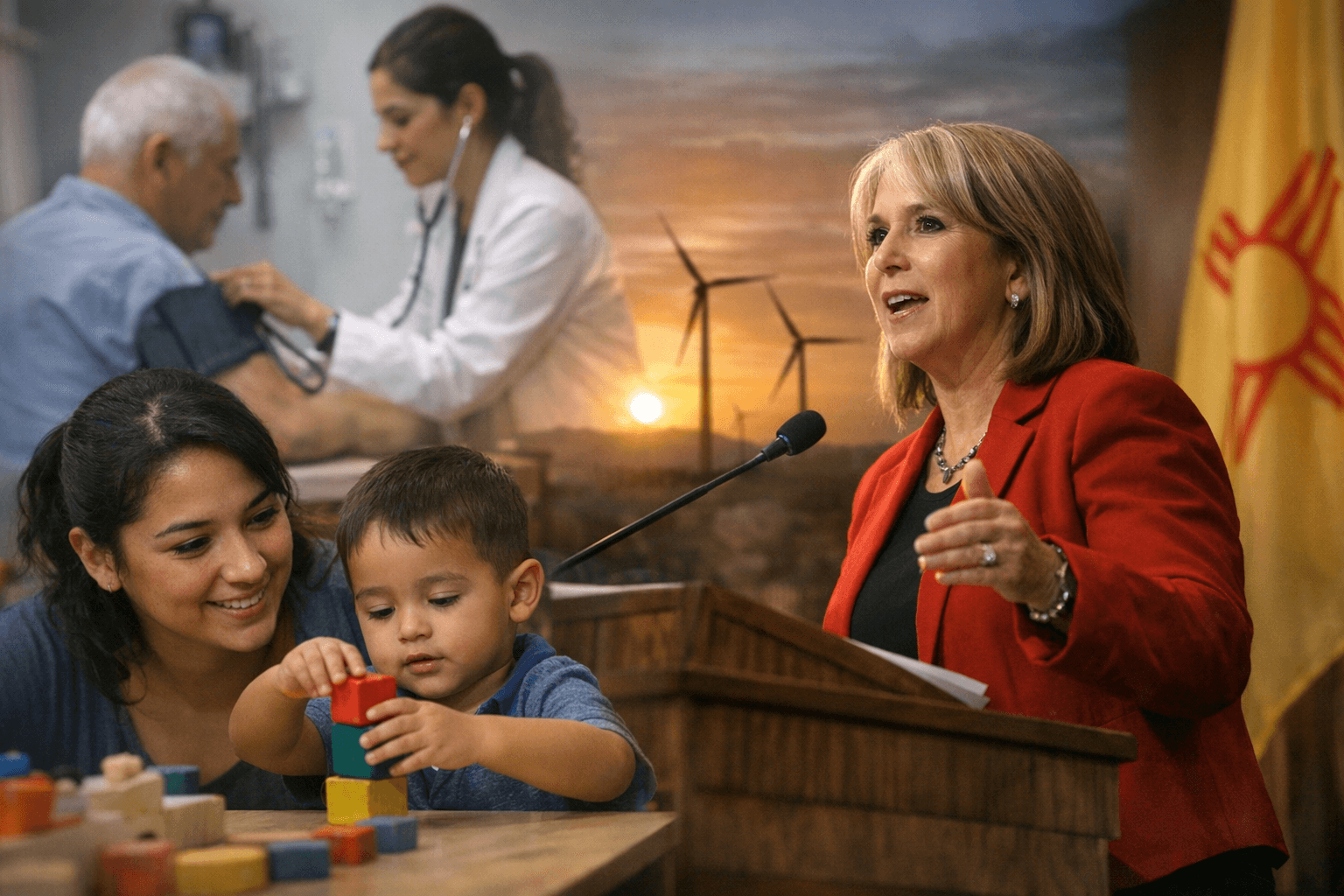
Governor Michelle Lujan Grisham uses her 2026 State of the State address to press lawmakers for a package of priorities centered on universal child care, expanded health-care access, public-safety reforms, K-12 improvements and clean-energy economic development. The speech, delivered Jan. 20, frames the agenda as pragmatic and collaborative and asks the Legislature to codify ambitious climate targets and advance remaining policy goals this session.
The governor opened by charting recent statewide progress: expanded child care and college access, tax changes and new clean energy investments. She described those moves as groundwork for the next steps she seeks from lawmakers. The administration is seeking statutory backing for climate targets that officials say will guide investments in renewables and resilience. At the same time the agenda ties child care and education proposals to workforce and economic development outcomes.
For Los Alamos County, these statewide priorities translate into practical questions about access and capacity. Universal child care proposals would affect local families and employers by changing how child care slots are funded and by increasing demand for early childhood workers. K-12 improvement efforts could influence curriculum and funding priorities in county schools, while health-care access reform aims to expand coverage and connectivity for residents who rely on regional clinics and providers. Public-safety measures identified in the address could shape county law enforcement policies and cross-jurisdictional coordination with neighboring agencies.
The call to codify climate targets places Los Alamos within statewide planning for clean energy and resilience. County leaders will need to reconcile state targets with local land-use rules, grid needs and ongoing infrastructure projects. Economic development initiatives tied to clean energy could present opportunities for local contractors and suppliers, but they will also require clear timelines, workforce development and capital planning to be effective.
Implementation will depend on legislative votes and subsequent rulemaking. The governor stresses collaboration, but translating goals into funding and enforceable standards will be subject to committee hearings, budget negotiations and oversight. For residents, the near-term indicators to watch include the bills introduced in the Legislative session, proposed budget allocations, and county-level planning responses.
This agenda sets a broad direction for state policy that will ripple into local services and budgets. Los Alamos County officials, school leaders and service providers will play a key role in turning statewide priorities into concrete programs, and residents can expect to see legislative proposals and local planning discussions unfold over the coming weeks.
Sources:
Know something we missed? Have a correction or additional information?
Submit a Tip