Luna pushes declassification of Epstein, JFK and UFO files
Luna’s task force has already forced out 33,295 Epstein pages, while turning JFK and UFO files into a public test of whether transparency can beat spectacle.
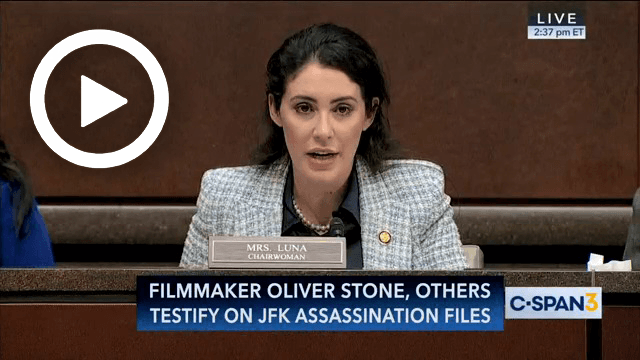
Anna Paulina Luna has turned a new House panel into Washington’s loudest experiment in declassification politics, linking the Epstein case, the JFK assassination and unidentified aerial phenomena under one banner while promising more public access to federal secrets.
House Oversight Chairman James Comer created the Task Force on the Declassification of Federal Secrets on February 11, 2025 and named Luna, a Republican congresswoman from Florida, to lead it. The panel was authorized for six months under committee rules and was billed as a public-interest effort to examine documents the government had kept hidden. Luna said the task force would investigate UAPs and USOs, the Epstein client list, COVID-19 origins and the 9/11 files.
The first major push came from President Donald Trump’s January 23, 2025 executive order, which directed declassification planning for the records tied to the assassinations of John F. Kennedy, Robert F. Kennedy and Martin Luther King Jr. Luna followed up on February 19 with requests for briefings from Trump administration officials, setting February 26 for JFK records and March 17 for RFK and MLK records. She also pressed for a hard public release date and a public location for documents ordered declassified.
JFK became the centerpiece. At the April 1 hearing, Luna opened by calling the November 22, 1963 assassination one of the nation’s defining events and said the release of more than 80,000 pages of classified documents gave lawmakers a chance to “peel back the layers” of the case. She argued that the government’s handling of the investigation had helped fuel distrust in federal agencies. At a later hearing on May 20, titled “The JFK Files: Assessing Over 60 Years of the Federal Government’s Obstruction, Obfuscation, and Deception,” former House assassination staffer Dan Hardway testified that the CIA had hidden information from the Warren Commission and stonewalled later review efforts.
The committee said members examined newly declassified JFK files, identified additional tranches still needing declassification and heard testimony underscoring how deep the credibility gap has become. James DiEugenio told lawmakers that 65% of the public does not accept the Warren Commission’s lone-assassin conclusion, while Rep. Brandon Gill cited Pew Research in saying trust in the federal government had fallen from 74% in 1958 to 22% in 2025.
Luna then widened the effort to UAPs. On September 9, the task force held “Restoring Public Trust Through UAP Transparency and Whistleblower Protection,” with witnesses including U.S. Air Force veteran Jeffrey Nuccetelli and U.S. Navy Chief Alexandro Wiggins. The committee said the hearing focused on agency secrecy, transparency failures and the need to protect whistleblowers.
The Epstein files have moved from rhetoric to documents. On September 2, the House Oversight Committee released 33,295 pages of Epstein-related records provided by the Justice Department, and on September 8 it released records from the Epstein estate after a subpoena. The committee later sought Epstein-Maxwell suspicious activity reports from the Treasury Department. Luna’s panel has shown that declassification can produce real material, but it has also exposed how quickly legitimate public-interest transparency can merge with Washington’s appetite for high-drama secrecy fights.
This article was produced by Prism’s automated news system from verified source data, official records, and press releases, then run through automated quality and moderation checks before publishing. The system is built and supervised by the people who set the standards it runs under. Read our full AI policy.
Did this article answer your question?

