Luxury and Gold Jewelry Brands Temporarily Close Middle East Stores
Luxury groups including Kering temporarily closed stores across the Gulf as missiles and airspace shutdowns disrupted travel, logistics and footfall in key Middle East markets.
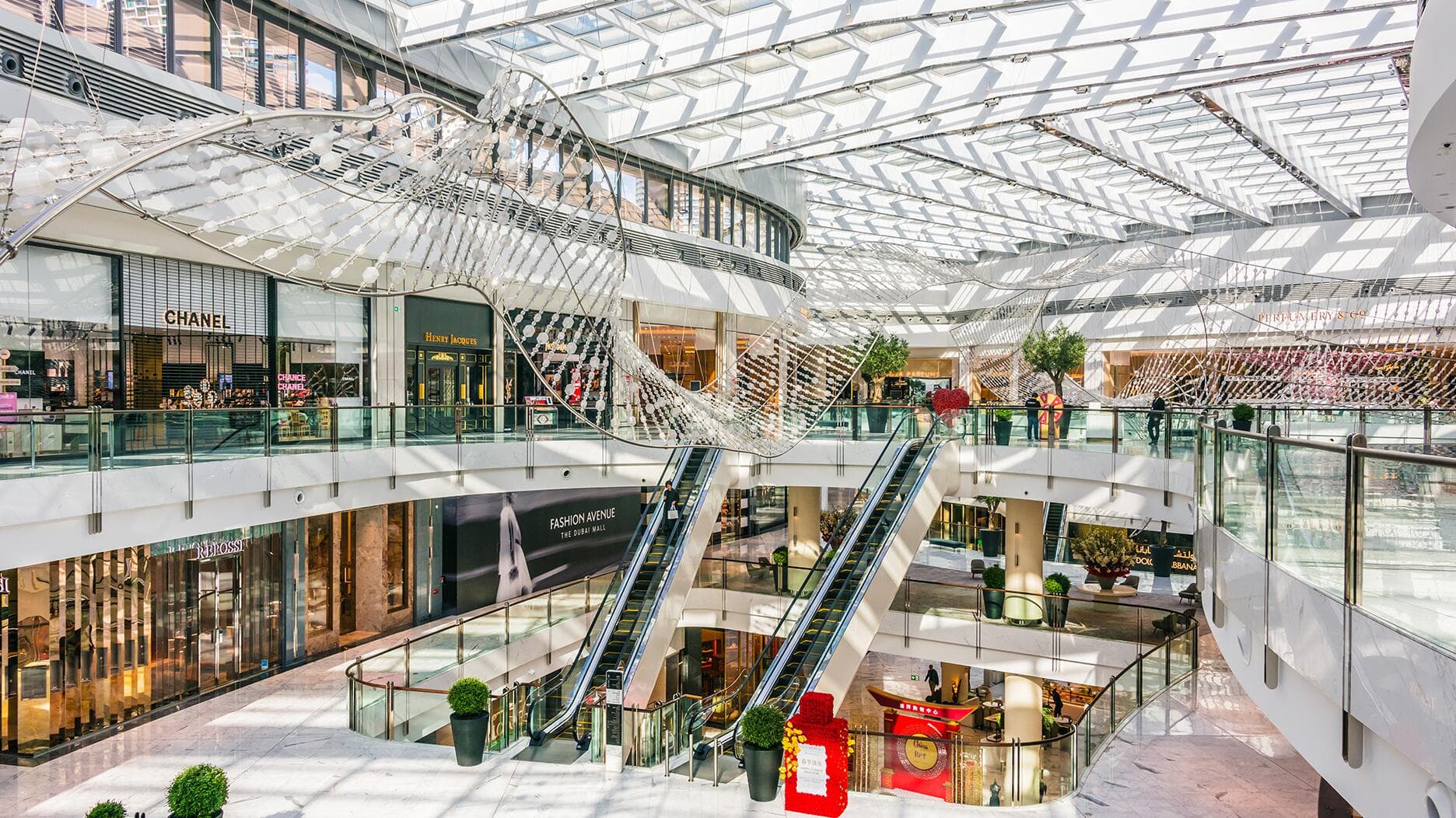
Stores across the Middle East were temporarily closed or reduced to skeleton teams after a sharp escalation in regional hostilities disrupted travel, logistics and customer footfall. Kering said its stores were temporarily closed in the United Arab Emirates, Kuwait, Bahrain and Qatar and that it had suspended travel to the Middle East; Kering owns jewelry houses Boucheron, Pomellato and Qeelin.
The wave of operational pauses accompanied what Reuters described as an expanding US-Israeli air campaign against Iran and subsequent Iranian missile and drone strikes on Gulf states. Reuters reported, "The US-Israeli air war against Iran expanded on Monday with no end in sight, with Tehran firing missiles and drones at Gulf states as it retaliates for a weekend of bombing that killed Iran’s supreme leader and reportedly killed scores of Iranian civilians, including a strike on a girls’ primary school." The Reuters dispatch carrying much of this corporate reporting ran with a PARIS dateline on March 2, 2026.
Regional retail operator Chalhoub Group, which manages roughly 900 stores for brands including Versace and Jimmy Choo, confirmed its Bahrain estate is closed while stores in the United Arab Emirates, Saudi Arabia and Jordan remain open with staff attendance made voluntary. Chalhoub Vice President of Communications Lynn al Khatib said, "We operate with a lean team formed of members who volunteered and feel comfortable to come to the store." Chalhoub leadership also visited Dubai Mall and Mall of the Emirates on Monday morning to check in with employees.
Ecommerce and logistics took an immediate hit. Business Insider reported that Amazon closed its fulfilment centre in Abu Dhabi, suspended deliveries across the region and instructed employees in Saudi Arabia and Jordan to remain indoors, citing an internal memo. Apple’s website showed its Dubai stores would remain closed until Thursday morning. H&M said its stores in Bahrain and Israel are closed, and Reckitt told employees across the Middle East to work from home, temporarily shut its Bahrain manufacturing site and suspended business travel.
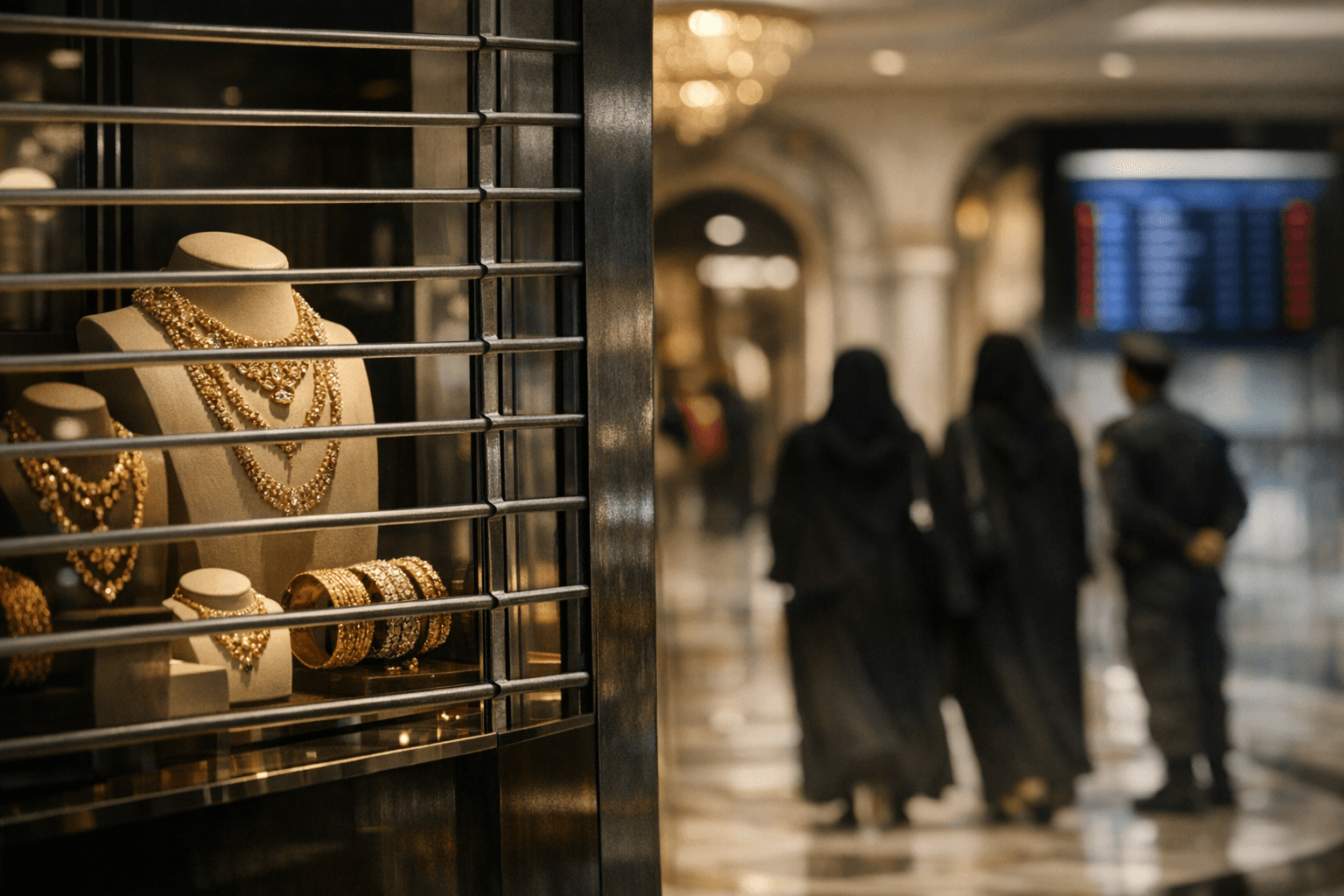
Luxury houses that had only just expanded in the region found investments interrupted. Cartier had unveiled a high-jewellery exhibition in Dubai’s Keturah Park days before the conflict, and Louis Vuitton hosted an exhibition at the Jumeirah Marsa Al Arab hotel last month. Shares in LVMH, Hermès and Richemont fell between 4 percent and 6.5 percent on Monday as markets assessed the fallout.
The immediate economic stakes are substantial. Victor Dijon, senior partner at consultancy Kearney, said, "If you assume that it's a $5 to $6 billion (travel retail) market and let's say it's going to be shut down for a month, we are talking about hundreds of millions of dollars that are definitely at risk." Beyond travel retail, Reuters noted that if Middle Eastern shoppers cannot travel to Paris or Milan, European luxury sales could also be affected.
Several companies named their operational responses; others did not reply to requests for comment. For jewelers and gold buyers tracking provenance and market access, the disruption underscores the fragility of a region that had been a core growth engine for high jewellery and watchmaking just weeks earlier. Markets, retailers and travel retail operators will be watching reopening timelines and logistics restoration as the situation evolves.
Know something we missed? Have a correction or additional information?
Submit a Tip