MAC Votes to Add Sacramento State as Football-Only Member in 2026
MAC presidents voted to add Sacramento State as a football-only member starting in 2026, a coast-to-coast move that reshapes conference geography and costs the Hornets about $23 million.
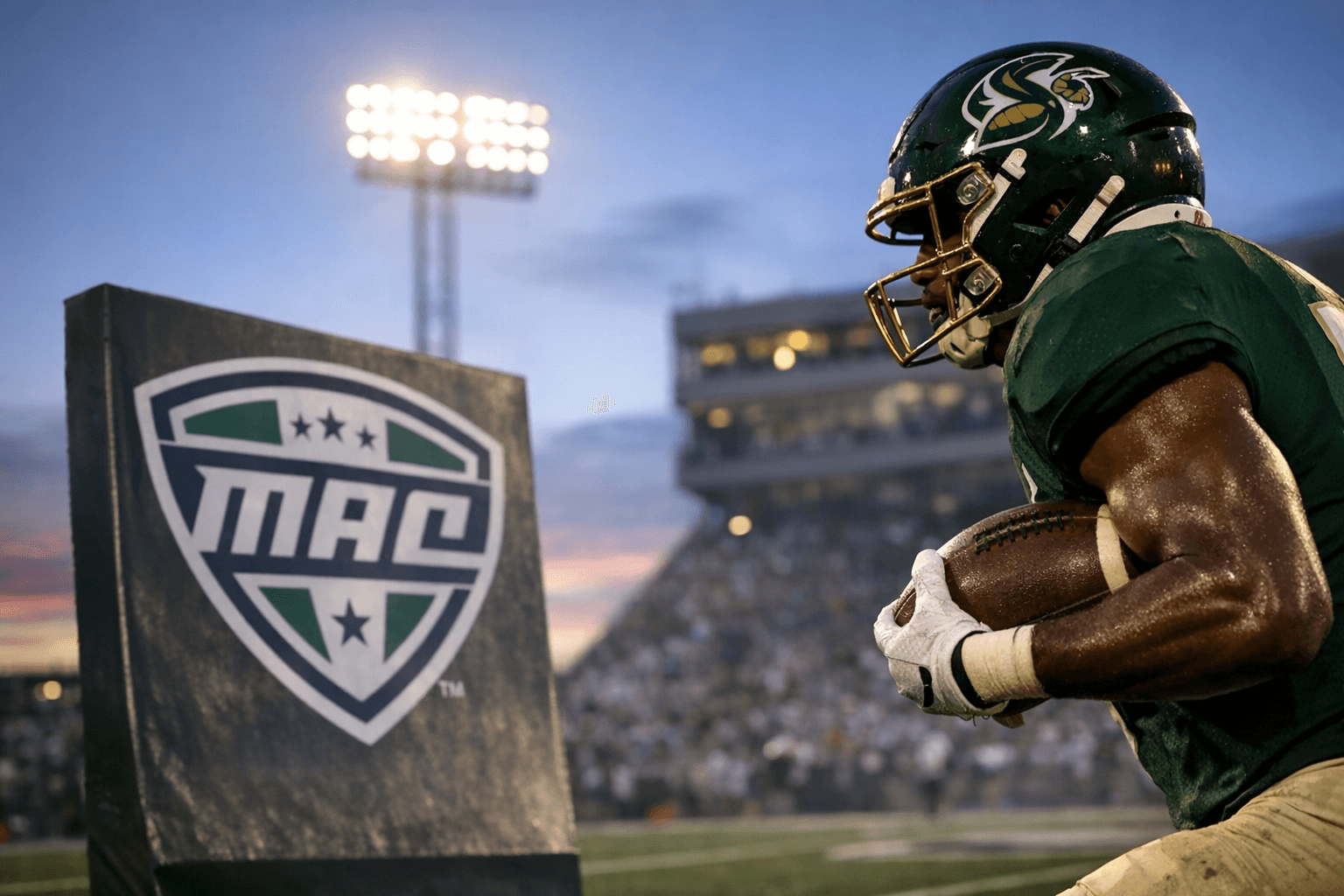
The Mid-American Conference presidents have approved Sacramento State as a football-only member beginning with the 2026 season, a decision that immediately alters the MAC footprint and the national landscape for FCS-to-FBS transitions. Reported terms put the league entry fee at about $18 million and an additional $5 million NCAA move-up payment, creating an expected $23 million tab as the Hornets prepare to join the Football Bowl Subdivision.
For Sacramento State, the vote is the culmination of a multi-year push. The Hornets finished 7-5 in 2025 and went 5-3 in Big Sky play, capping more than three decades as an FCS program. The school has been aggressive in raising its profile - hiring high-profile names on campus and positioning Sacramento as a top-20 television market to market its appeal to FBS partners. The program also tried last year to secure a waiver to play as an FBS independent in 2026 but was denied by the NCAA, so a conference invitation became the practical route to division elevation.
The transition carries immediate competitive and regulatory consequences. Sacramento State will not be eligible for postseason play for two years during the move to FBS, a standard restriction tied to reclassification. Meanwhile, all non-football sports at Sacramento State are slated to move into the Big West Conference for the 2026-27 academic year, leaving football as the lone MAC member sport for the institution.
Conference realignment reverberations are already clear. Local reporting frames Sacramento State as replacing Northern Illinois University in the MAC, as NIU prepares to join the Mountain West next season. The Hornets will become the MAC’s first program located in the Pacific Time Zone, creating travel and scheduling challenges for coaches and broadcasters accustomed to an Eastern Time Zone footprint. MAC schools such as Toledo and Bowling Green will now face cross-country trips and new television-window negotiations that could shift kickoff times and travel budgets.
Historically, the move is notable. Reporting ties this leap to a rare West Coast FCS-to-FBS jump - the first in 57 years - noting Fresno State and San Diego State as the last such converts in 1969. That rarity speaks to the structural barriers for coastal FCS programs who seek the financial and brand upside of FBS membership: media market leverage, series scheduling, and the sunk costs of travel logistics.
For fans and athletic directors, the immediate questions are roster depth, coaching investment, and how Sacramento State will recruit against established FBS programs. The Hornets must quickly shore up scholarships and depth to handle FBS competition, and MAC opponents will need to plan for longer road trips and potential shuffling of TV windows.
A formal announcement was expected in the days following the vote. What comes next is confirmation of contract details, official MAC scheduling, and the Hornets’ operational blueprint for joining FBS play. For midwestern fans, Sacramento State’s arrival promises new matchups and an expanded national footprint for the MAC; for Sacramento, it offers the high-stakes gamble of paying to play at the next level.
Know something we missed? Have a correction or additional information?
Submit a Tip