Madagascar’s sacred baobab falls as fragile ecosystem frays
A sacred baobab’s collapse exposed more than one lost tree. In Madagascar’s dry forests, climate stress and land clearing are squeezing a species central to culture and survival.
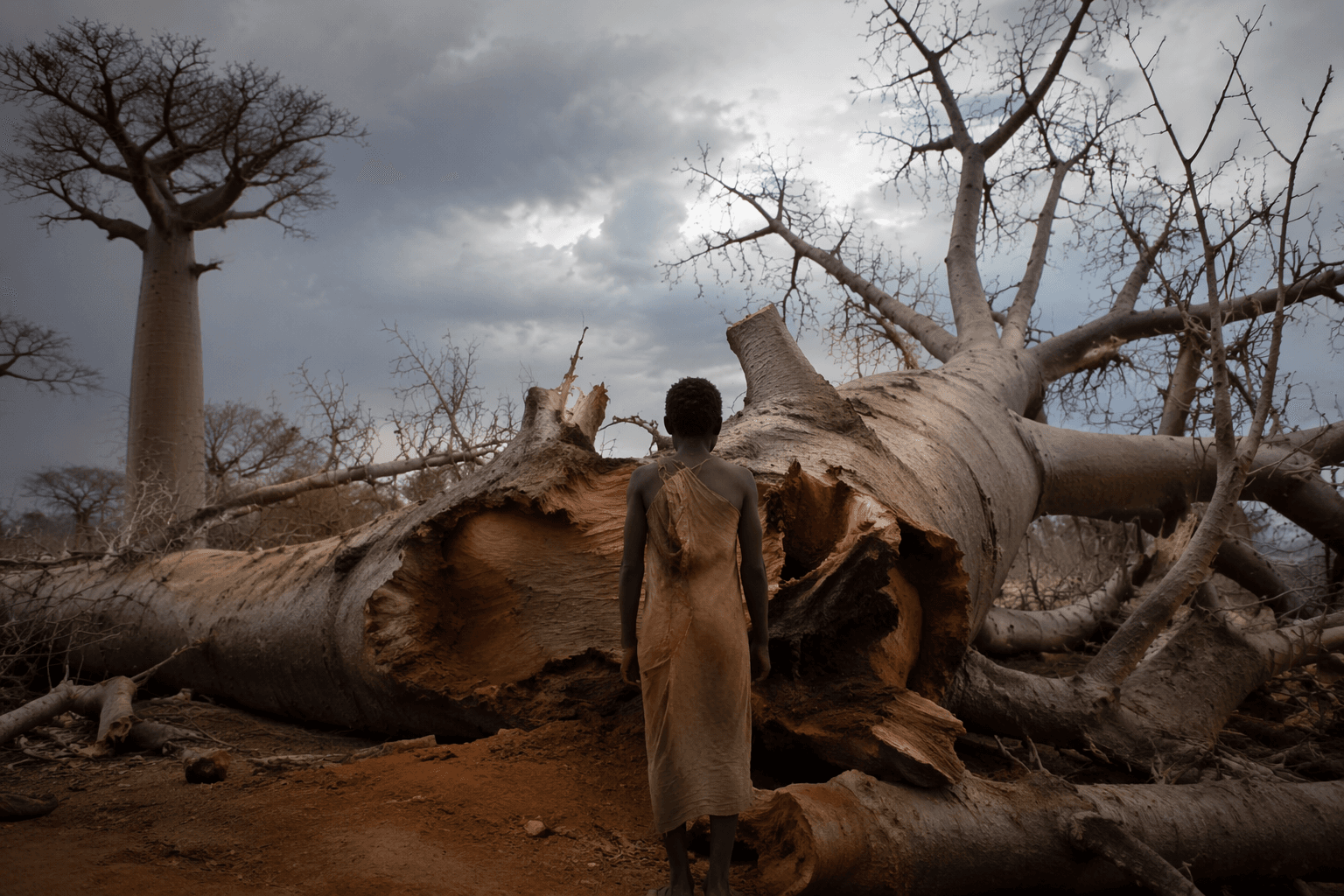
The fall of a centuries-old baobab in Madagascar exposed a wider unraveling in one of the world’s most distinctive dry-forest ecosystems. The tree was not only a landmark of age and size, but a sacred presence in a landscape where baobabs are bound to both spiritual identity and daily life.
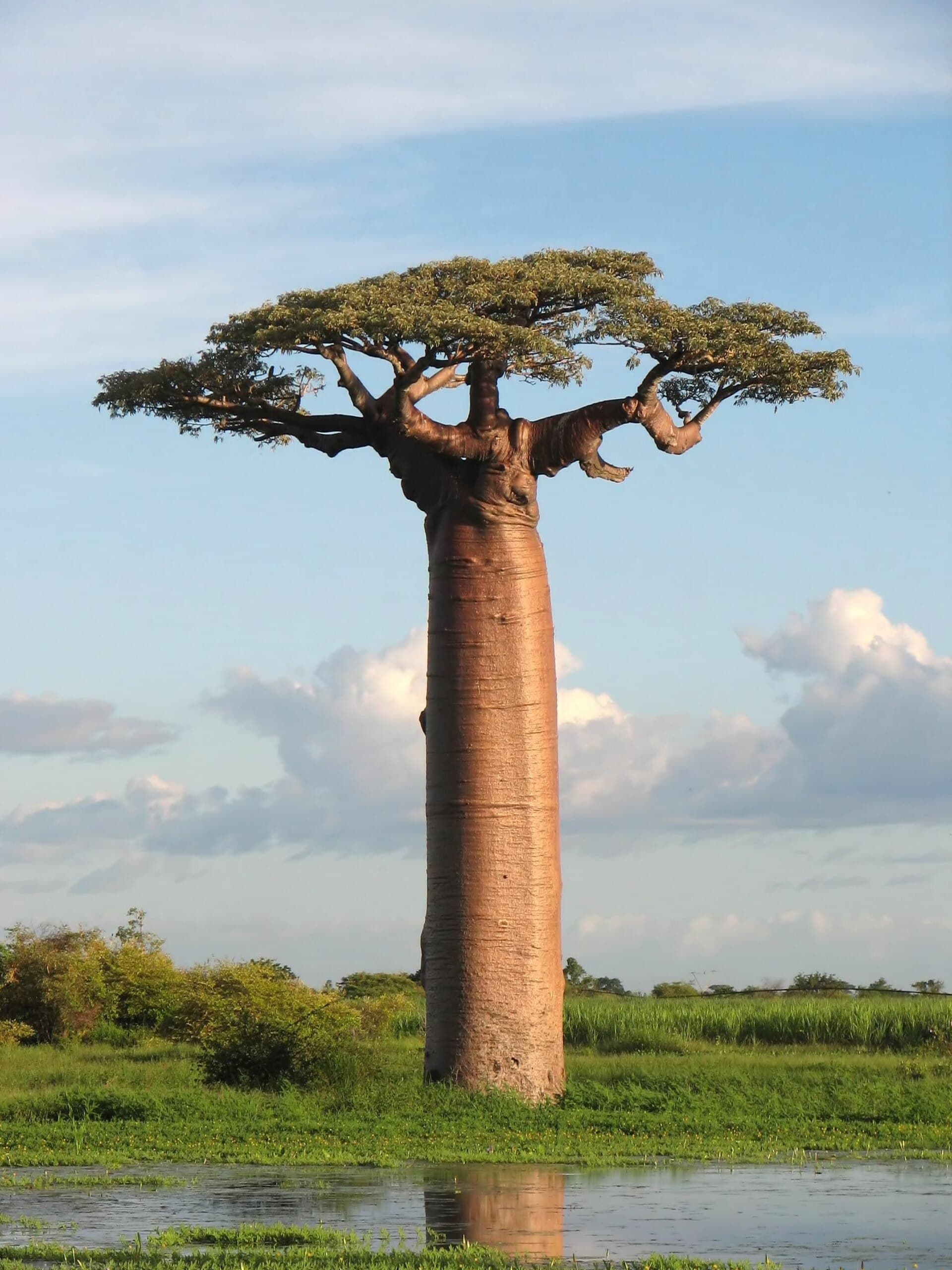
Madagascar has seven baobab species, six found nowhere else on Earth, and the species at the center of this loss, Adansonia grandidieri, is listed as Endangered on the International Union for Conservation of Nature Red List. The IUCN says the listing rests on an inferred and projected population reduction of at least 50% across a three-generation span running from 1953 to 2116, a sign that the decline is not a passing local disturbance but a long-term ecological break.
The giant baobab is known as “the mother of the forest,” according to Royal Botanic Gardens, Kew, which says Malagasy people value it for food, oil, rope-making bark and construction materials. That practical importance is now colliding with habitat pressure as agricultural land expands across Madagascar and the trees lose the conditions they need to regenerate. Scientists have warned for years that climate change, drought, deforestation, fire and habitat fragmentation are all squeezing baobabs, while recent conservation reporting has pointed to a second problem: fewer seed dispersers, including lemurs and fruit bats, are making it harder for new trees to grow.
The collapse of Tsitakakoike in 2018 remains the clearest symbol of that loss. Guinness World Records says the sacred Adansonia grandidieri, which grew near Andombiro in the Ambiky Forest of southwest Madagascar, was the largest living baobab until it fell. Earlier reporting estimated the tree at about 1,400 years old, and Kew has said one Tsitakakoike tree measured 27 metres around, or 8.7 metres in diameter. Its destruction marked the disappearance of a living monument that had stood for more than a millennium.
The species’ deep history only sharpens the urgency. Recent genetic research reported by Smithsonian Magazine suggests baobabs originated in Madagascar about 21 million years ago before dispersing to Africa and Australia. Conservation work is underway in parts of the island, including community-led restoration in dry forests, but the loss of ancient trees such as Tsitakakoike shows how difficult recovery can be. When a baobab this old disappears, Madagascar loses not just a tree, but a pillar of biodiversity, belief and ecological memory.
This article was produced by Prism’s automated news system from verified source data, official records, and press releases, then run through automated quality and moderation checks before publishing. The system is built and supervised by the people who set the standards it runs under. Read our full AI policy.
Did this article answer your question?