Magnitude-4.3 Earthquake Shakes Southern New Mexico Near Carlsbad, Artesia
A 4.3 magnitude quake struck between Carlsbad and Artesia around 2 p.m. Monday, rattling windows across southeastern New Mexico with no major injuries or damage reported.
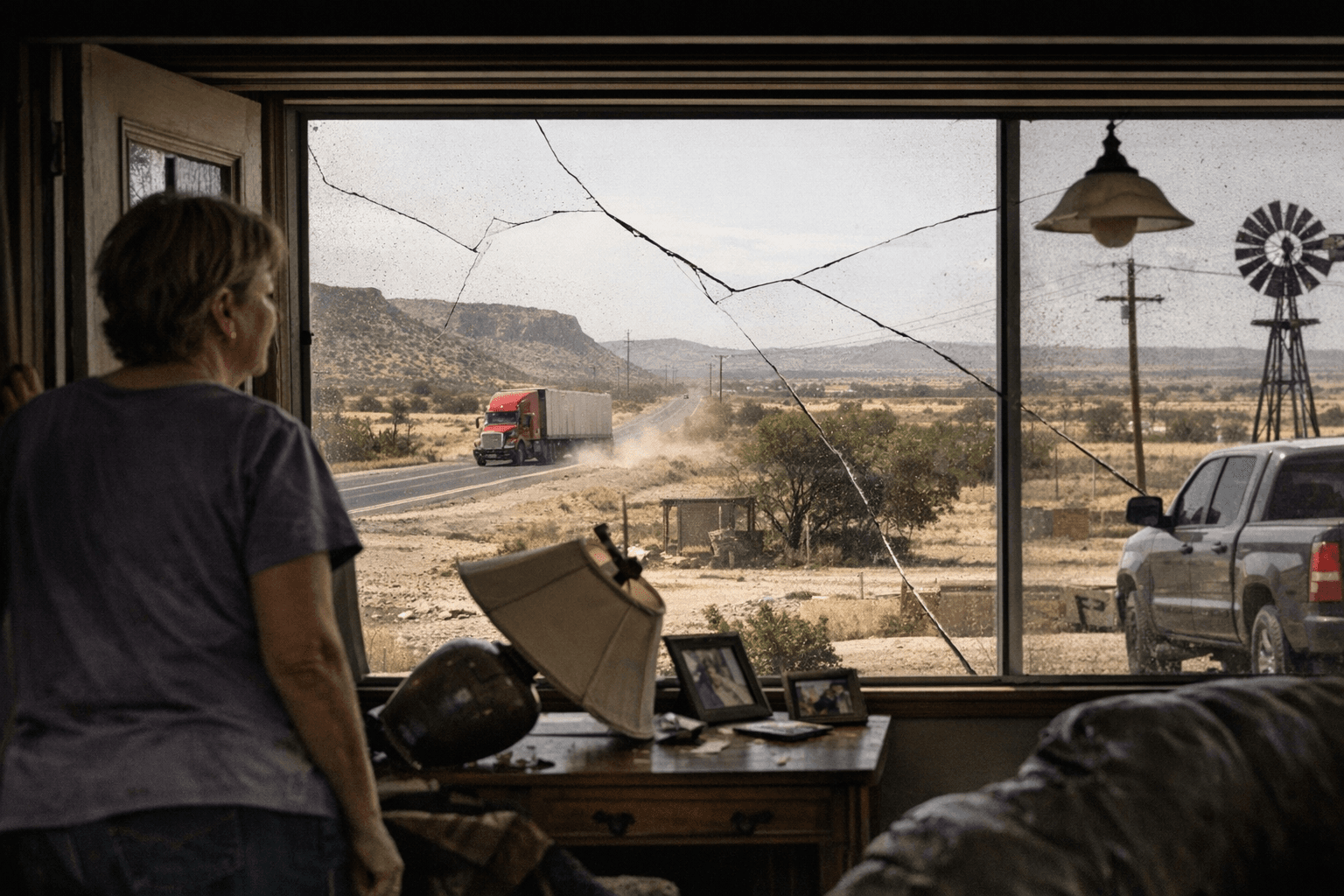
A magnitude-4.3 earthquake struck southeastern New Mexico around 2 p.m. on Monday, April 6, centered between Carlsbad and Artesia, according to the U.S. Geological Survey. The tremor was felt across a wide swath of the region, reaching communities as far north as Roswell, but no serious injuries or major structural damage were reported as of USGS and local broadcaster updates on April 7.
Eyewitnesses described rattling windows and a low rumbling noise as the primary effects. Emergency officials checked for damage following the event but reported no immediate escalation in response activity, and residents were advised to notify municipal authorities of any structural concerns.
For seismologists, a low-magnitude-4 event typically produces noticeable indoor shaking and can displace unsecured objects, but rarely causes widespread severe damage in areas built to standard construction codes. Even so, emergency managers note that modest quakes in southeastern New Mexico can trigger precautionary inspections of water, sewer, and energy infrastructure, particularly in areas with active industrial operations.
Southern New Mexico sits near the Rio Grande Rift, a geologic zone with a documented history of periodic seismicity. Scientists distinguish naturally occurring tectonic events from those potentially associated with human activity by cross-referencing seismic waveform data against industrial injection and extraction records in the region. The USGS and local agencies maintain ongoing monitoring of both categories.
The April 6 event has been entered into regional seismic catalogs and will be tracked for aftershocks. If additional seismic clusters develop, local utilities and authorities may increase infrastructure inspections. The USGS continues to serve as the authoritative source for technical updates, and residents are urged to review household emergency plans, secure heavy furniture, and inspect gas and water lines for leaks.
This article was produced by Prism’s automated news system from verified source data, official records, and press releases, then run through automated quality and moderation checks before publishing. The system is built and supervised by the people who set the standards it runs under. Read our full AI policy.
Did this article answer your question?

