Magnitude 5.9 earthquake strikes off New Zealand's North Island
A magnitude 5.9 quake struck offshore east of the North Island at 10 km depth, with no immediate reports of damage or injuries.
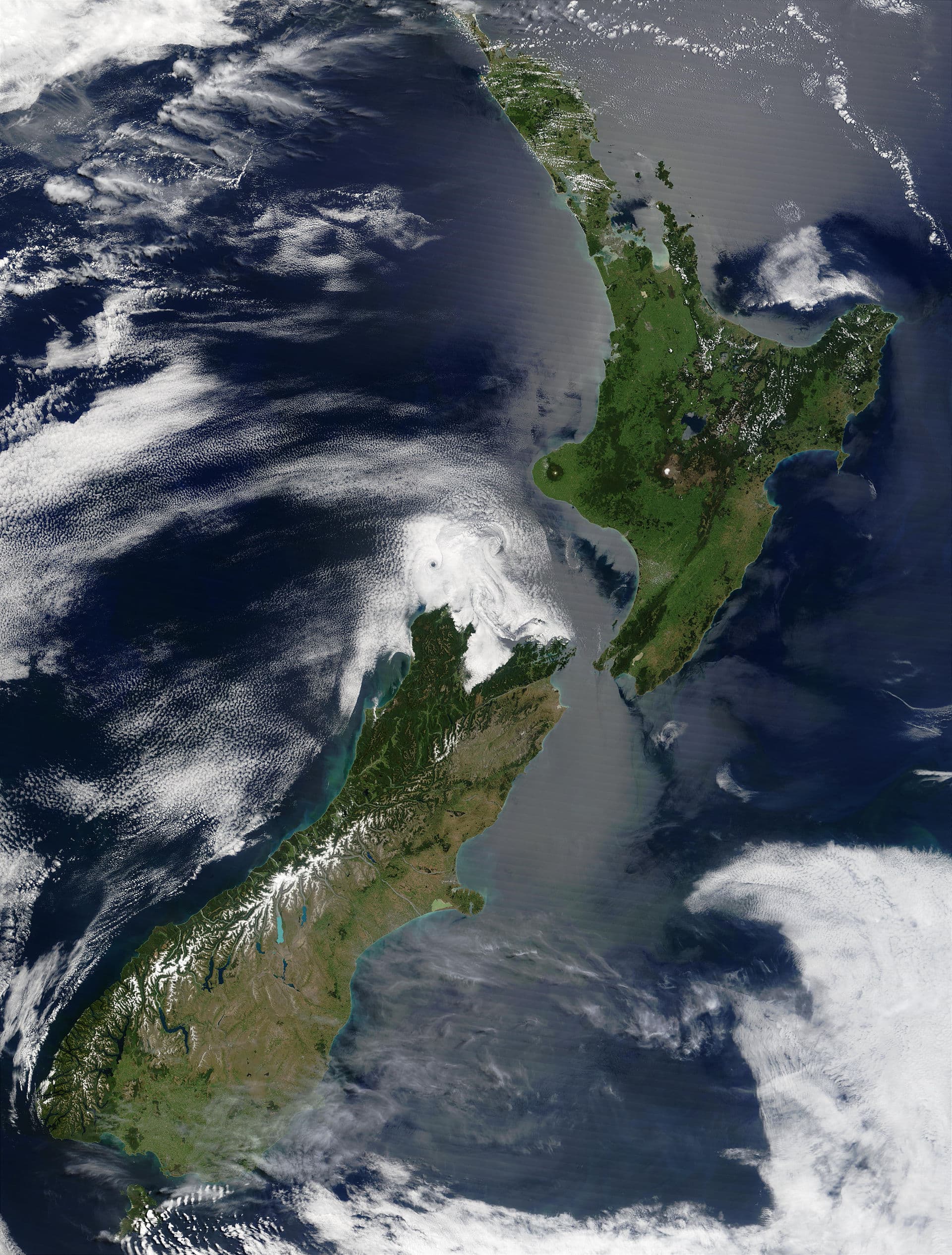
A magnitude 5.9 earthquake struck off the east coast of New Zealand’s North Island at a depth of 10 km, a shallow offshore jolt that was strong enough to trigger rapid checks for damage, disruption and any secondary hazards. There were no immediate reports of casualties or infrastructure damage.
New Zealand sits on the Pacific Ring of Fire, where the Pacific and Australian tectonic plates meet. In New Zealand, even a moderate event can be felt across a wide area without causing widespread destruction, especially when it happens offshore and far enough from major population centers.
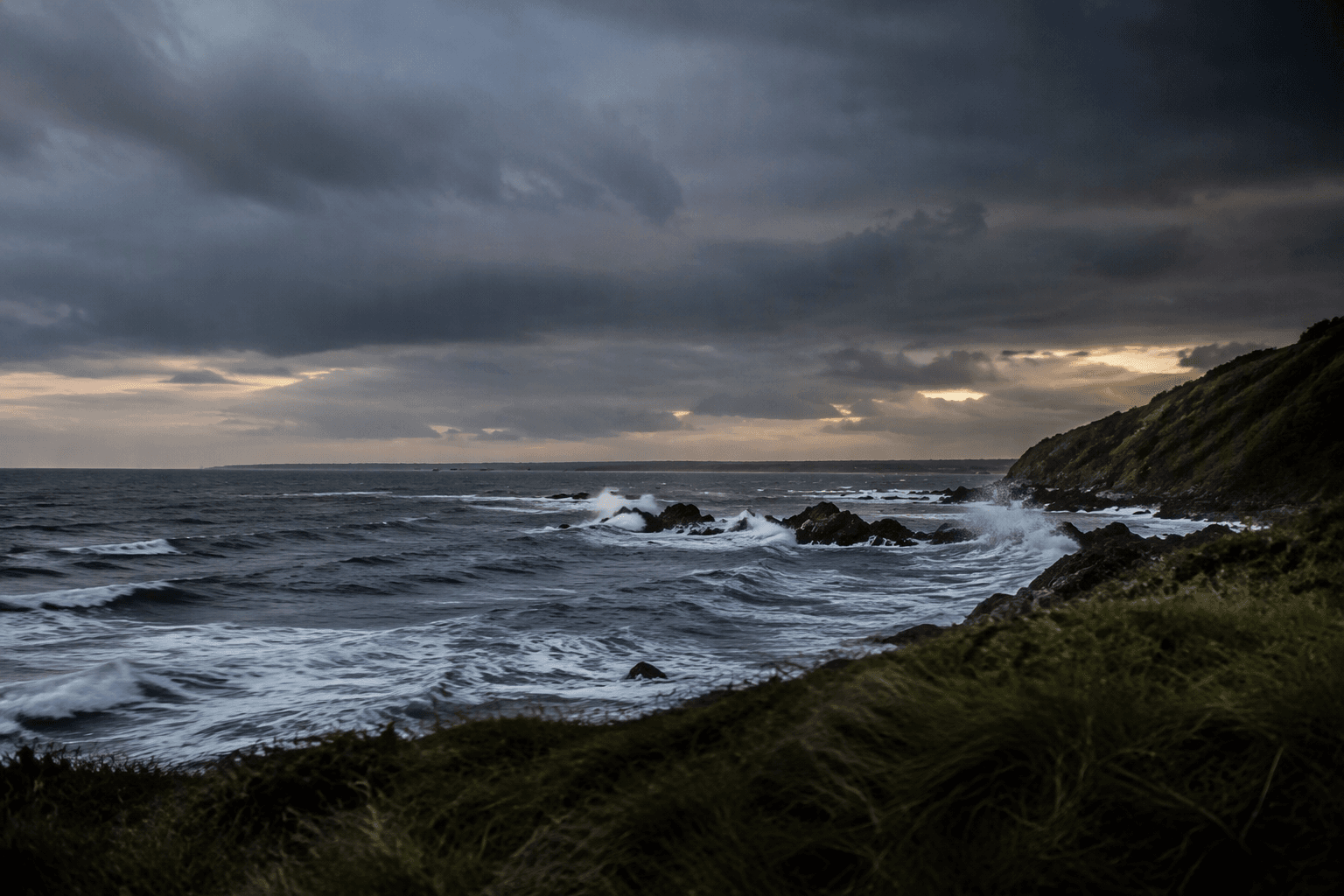
Depth and location matter as much as magnitude. A quake at 10 km can produce sharper shaking near the epicentre than a deeper event, while offshore movement can raise questions about tsunami risk if the seabed shifts enough. Emergency agencies typically move quickly after this kind of tremor to assess whether roads, ports, ferries or regional flights have been affected and whether aftershocks or local hazards such as landslides or localized flooding could follow.
Just days earlier, a separate magnitude 5.9 quake struck near Taumarunui. The July 25 event was 5 km south of Taumarunui at 4:51 a.m., shallow at 9 km depth, and felt widely across the North Island and the top of the South Island. GeoNet received more than 23,000 felt reports, a reminder that a magnitude in the high-5 range can be broadly experienced even when damage is limited.
The National Emergency Management Agency deployed its Deep-ocean Assessment and Reporting of Tsunami, or DART, buoy network in 2019 to improve tsunami monitoring and warnings. Its public advice for local-source tsunamis is blunt: “Long or Strong, Get Gone.” For residents on exposed coasts, that means natural warning signs matter most, because a strong offshore quake can leave only minutes to decide whether to move inland and uphill.
This article was produced by Prism’s automated news system from verified source data, official records, and press releases, then run through automated quality and moderation checks before publishing. The system is built and supervised by the people who set the standards it runs under. Read our full AI policy.
Did this article answer your question?