Magnitude 6 earthquake shakes Afghanistan and Pakistan, no injuries reported
A deep magnitude 6 quake jolted the Hindu Kush and sent people running across Afghanistan and Pakistan, then damage and injuries emerged in Pakistan.
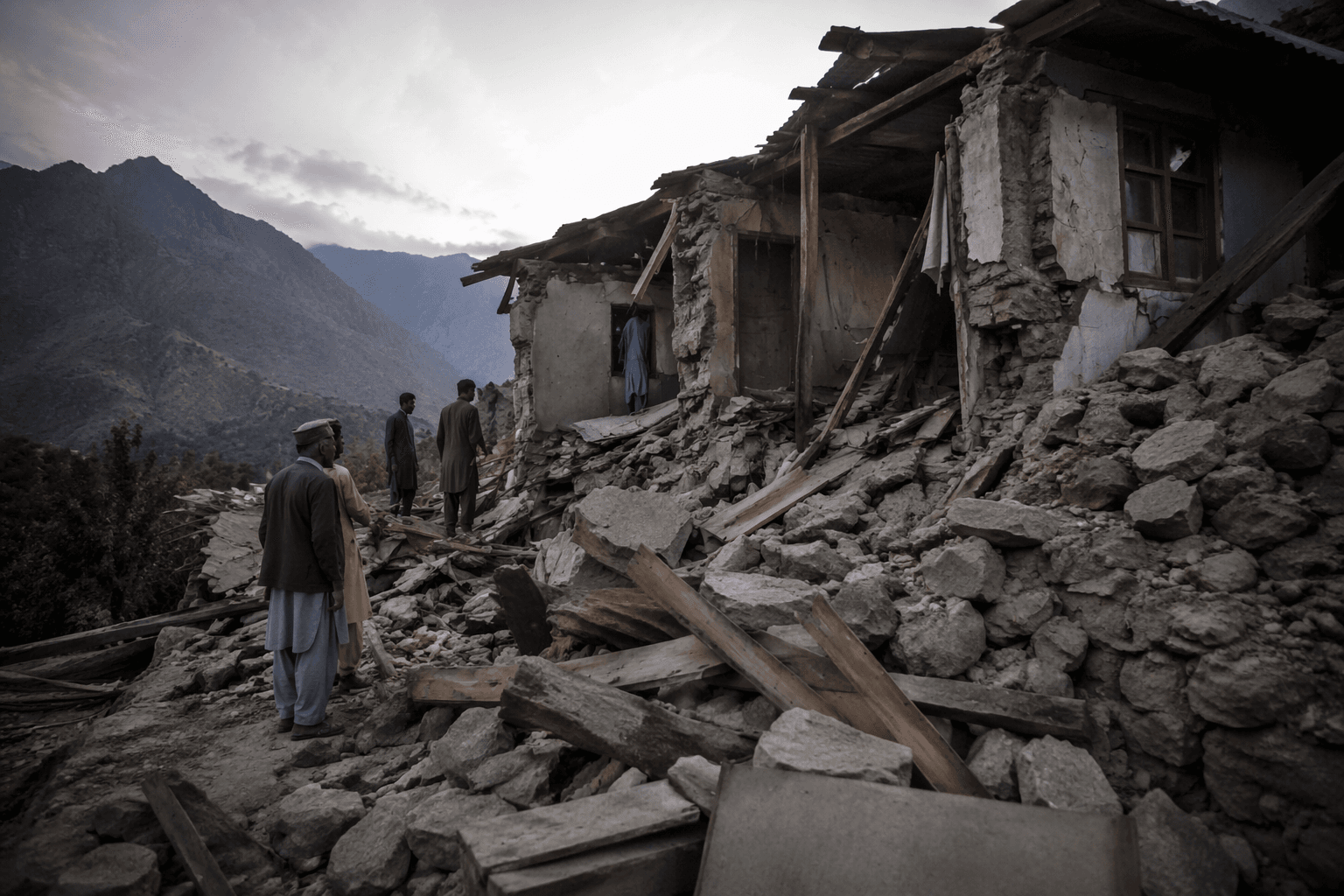
A magnitude 6 earthquake struck Afghanistan’s Hindu Kush region on Saturday and sent tremors across the border into Pakistan, where residents rushed outside as the shaking rippled from Kabul to Swat district. Afghanistan’s National Disaster Management Authority said checks were ongoing and there were no immediate official reports of casualties or damage.
The earthquake was felt widely enough to trigger confusion far from the epicenter. Reuters said a local witness in Swat district described residents running from their homes after the tremor, while women and children were seen crying in panic as the shaking lasted for a long time. The European-Mediterranean Seismological Centre later listed the event as a magnitude 6.1 quake at a depth of 201 kilometers at 13:34:52 UTC on June 27, 2026, highlighting how early earthquake estimates can shift as seismologists refine their readings. Reuters had initially placed the quake at magnitude 6 and a depth of 100 kilometers, or 62 miles.
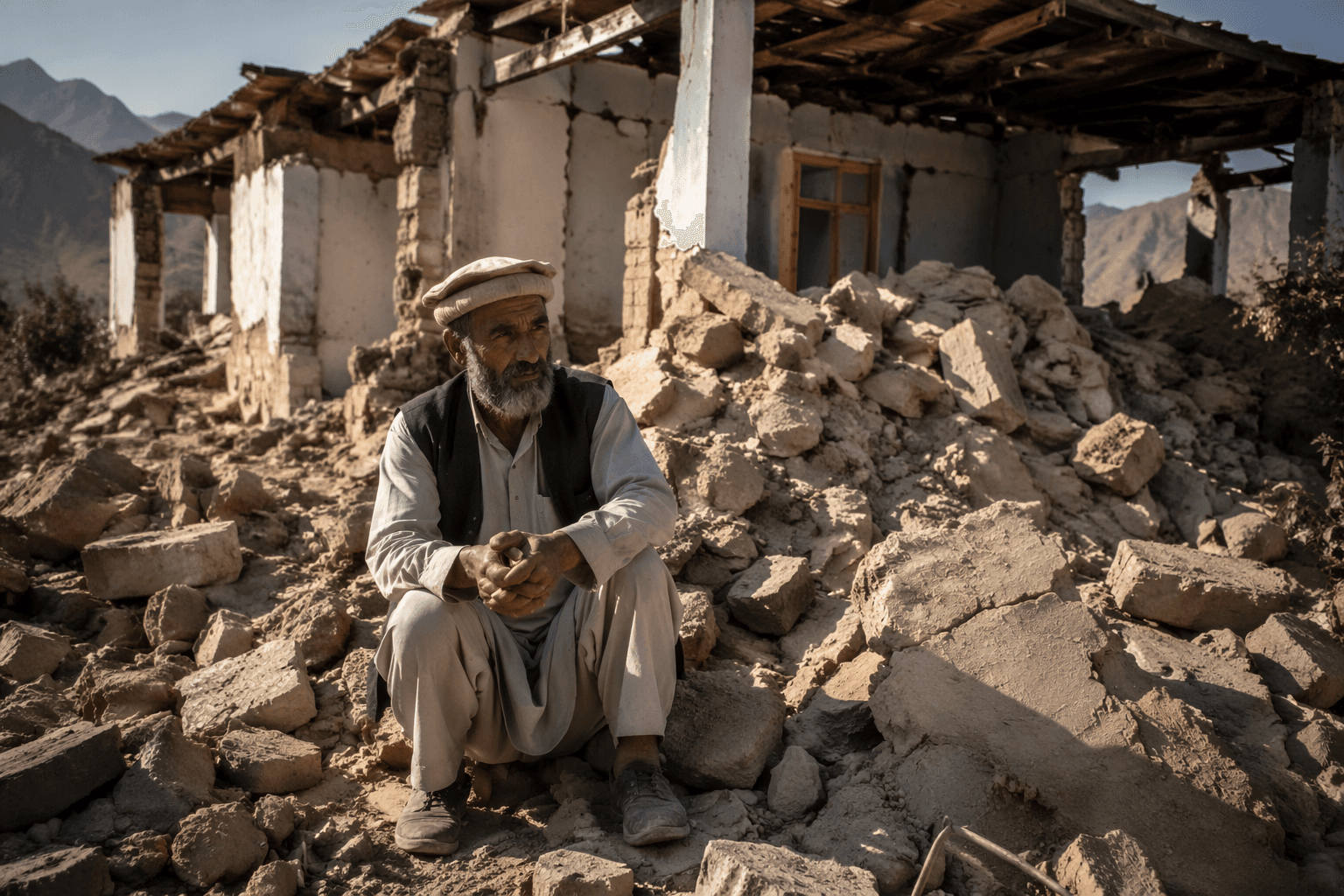
Pakistan quickly began measuring the fallout on its side of the border. In Balochistan, the disaster management authority said around 125 houses were damaged, and relief teams were sent with tents, food, solar panels, blankets and other supplies. More than 20 people were injured in Musakhail district, according to Reuters, and Pakistan Prime Minister Shehbaz Sharif, through his office, ordered an urgent response. Reuters also reported that Pakistan experienced an earlier magnitude 5.4 earthquake the same day.
The episode fits the seismic reality of the Hindu Kush, one of the most active fault zones in South and Central Asia. The U.S. Geological Survey says earthquakes in northern Pakistan and adjacent parts of Afghanistan are driven by the northward motion of the India plate colliding with Eurasia, a process that keeps the region under constant pressure. That geological setting makes even a deep quake a serious test for emergency systems, especially in mountainous areas where roads, communications and building quality can limit the speed of checks and relief.
The concern is sharpened by recent history. A United Nations Office for the Coordination of Humanitarian Affairs review said the August 31, 2025 earthquake in eastern Afghanistan caused fatalities, injuries, widespread damage, displacement and major disruption, and more than 300,000 people had received assistance by January 2026. In a region that has already absorbed one major disaster after another, the first no-casualty reports can change quickly as damage surveys widen and aftershocks remain a threat.
This article was produced by Prism’s automated news system from verified source data, official records, and press releases, then run through automated quality and moderation checks before publishing. The system is built and supervised by the people who set the standards it runs under. Read our full AI policy.
Know something we missed? Have a correction or additional information?
Submit a Tip