Magnitude 7.8 earthquake in Mindanao kills 37, injures 479
After a 7.8 quake off Maasim, rescue crews faced more than 130 aftershocks, damaged roads and airport limits as the toll climbed to 37 dead.
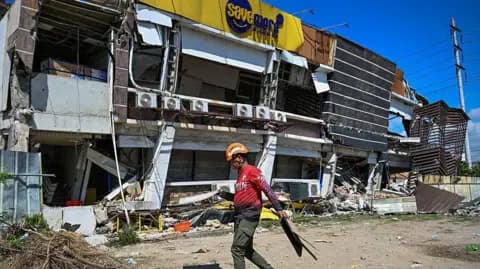
The shaking did not stop when the first violent jolt ended. Hours later, Mindanao was still being rattled by aftershocks, rescue access remained uneven, and officials said the human toll could rise as crews searched damaged communities, coastal towns and collapsed structures across the island’s south.
The magnitude 7.8 earthquake struck off Maasim, Sarangani, at 7:37 a.m. on June 8, 2026, with PHIVOLCS placing the offshore epicenter about 32 kilometers west of Maasim and linking the event to possible subduction along the Cotabato Trench. By June 8, PHIVOLCS had recorded 138 aftershocks, ranging from magnitude 1.3 to 6.7, and local reports on June 9 said more than 130 had already been logged, including a felt magnitude 6.7 event. Officials warned the sequence could continue for more than a month, keeping already fragile communities on edge.
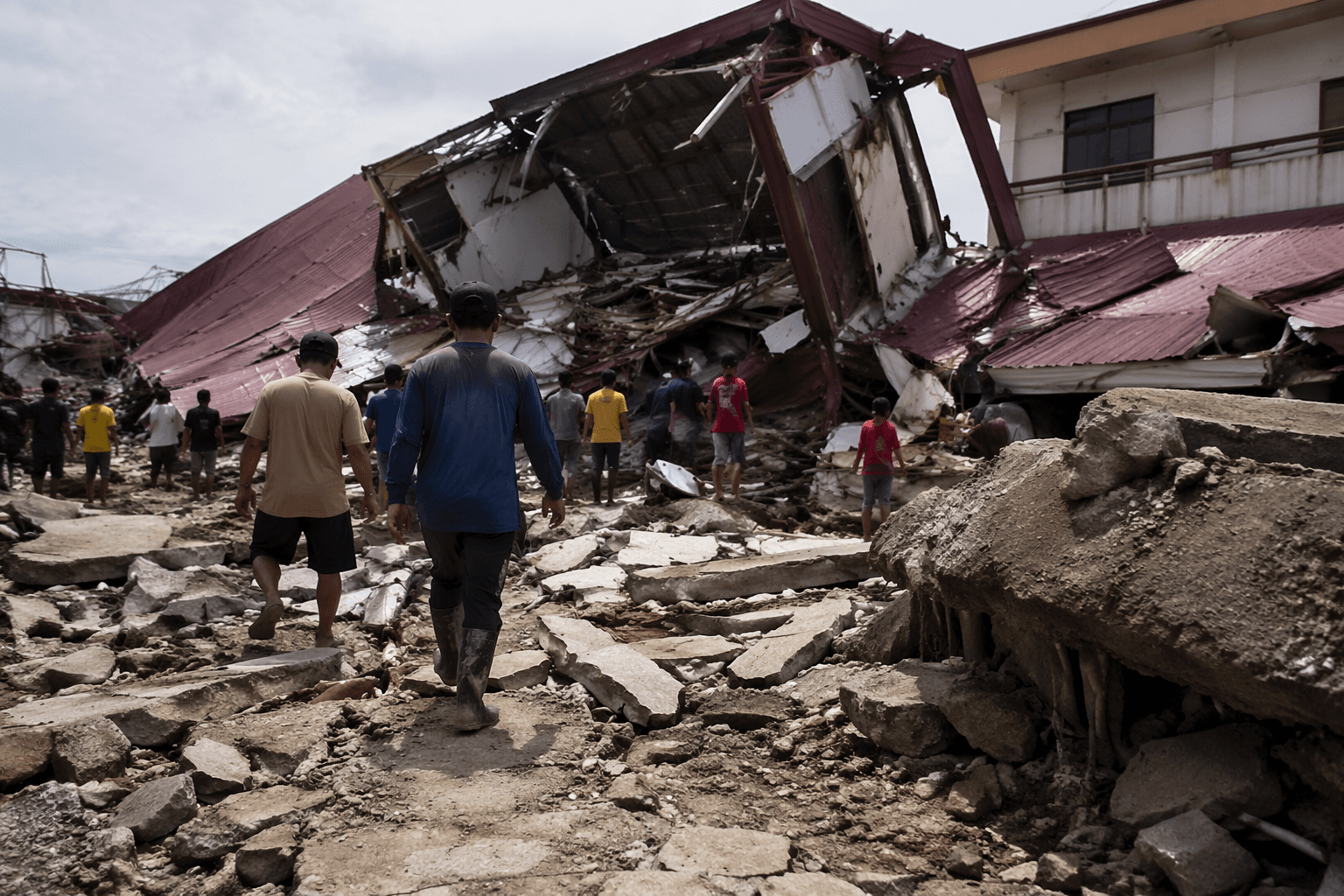
The death toll stood at 37 on Tuesday, with 479 injured and four missing, while authorities said the figures were still being validated as search, rescue and retrieval operations continued. The National Disaster Risk Reduction and Management Council said about 88,000 people were affected across Regions IX, XI, XII and BARMM, with 5,343 families staying in 39 evacuation centers. At least 127 facilities were damaged, with losses estimated at P15 million, underscoring how a single offshore rupture spread into a broader public health and infrastructure emergency.

The quake triggered tsunami warnings and coastal evacuations before the alert was lifted. Reports said one of the highest recorded waves reached about 1.4 meters above normal tide levels, a reminder that the danger extended beyond the ground itself to the shoreline communities forced to move quickly with little certainty about what was coming next. General Santos City International Airport was closed to commercial flights and later allowed limited operations for government, military and humanitarian flights, a sign of how transportation and relief access were both being rationed in the aftermath.
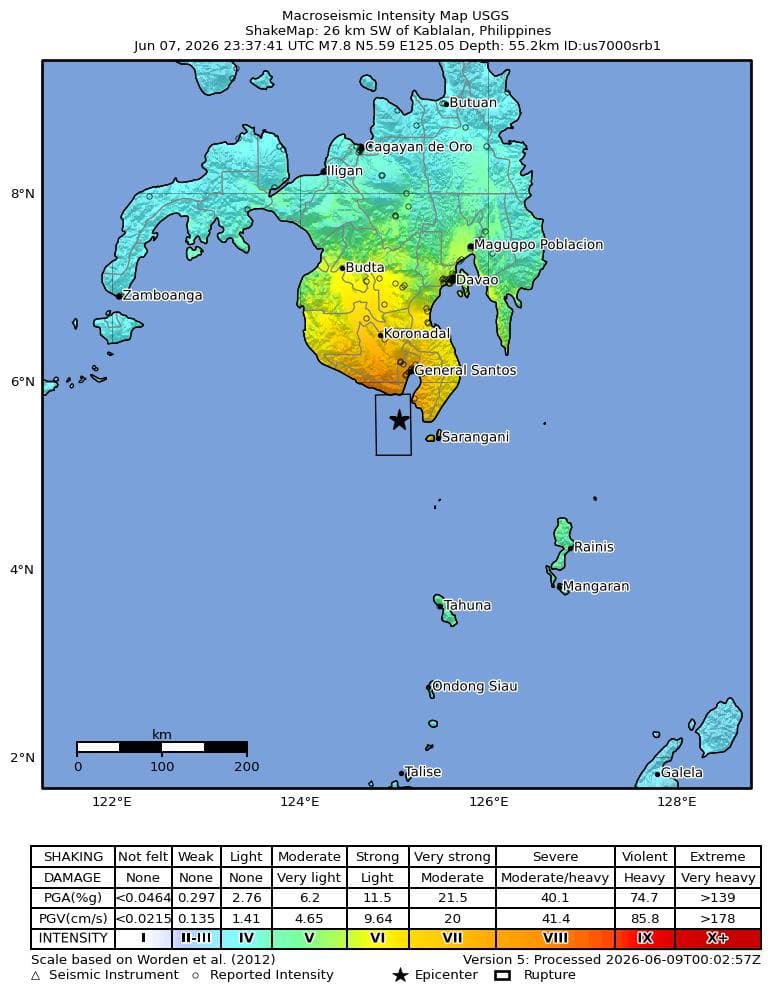
The earthquake hit on the first day of the school year for millions of students in Mindanao. UN agencies said more than 3.2 million learners were affected and classes were suspended in more than 6,200 public and private schools while safety inspections moved ahead. UNICEF said the safety of learners and teachers had to remain the top priority, warning also about the psychological impact on children. The United Nations said initial reports pointed to widespread damage to hospitals, homes, classrooms, roads, bridges and communications, with power outages and telecommunications blackouts in some areas. USGS estimated about 15 million people were exposed to moderate to severe shaking and warned that aftershocks could follow, leaving officials with an incomplete picture of the full damage even as the emergency deepened.
This article was produced by Prism’s automated news system from verified source data, official records, and press releases, then run through automated quality and moderation checks before publishing. The system is built and supervised by the people who set the standards it runs under. Read our full AI policy.
Know something we missed? Have a correction or additional information?
Submit a Tip