Mail theft fuels surge in check fraud, experts warn
Mail thieves are turning stolen envelopes into fraud: FinCEN logged 15,417 related reports tied to more than $688 million in six months.
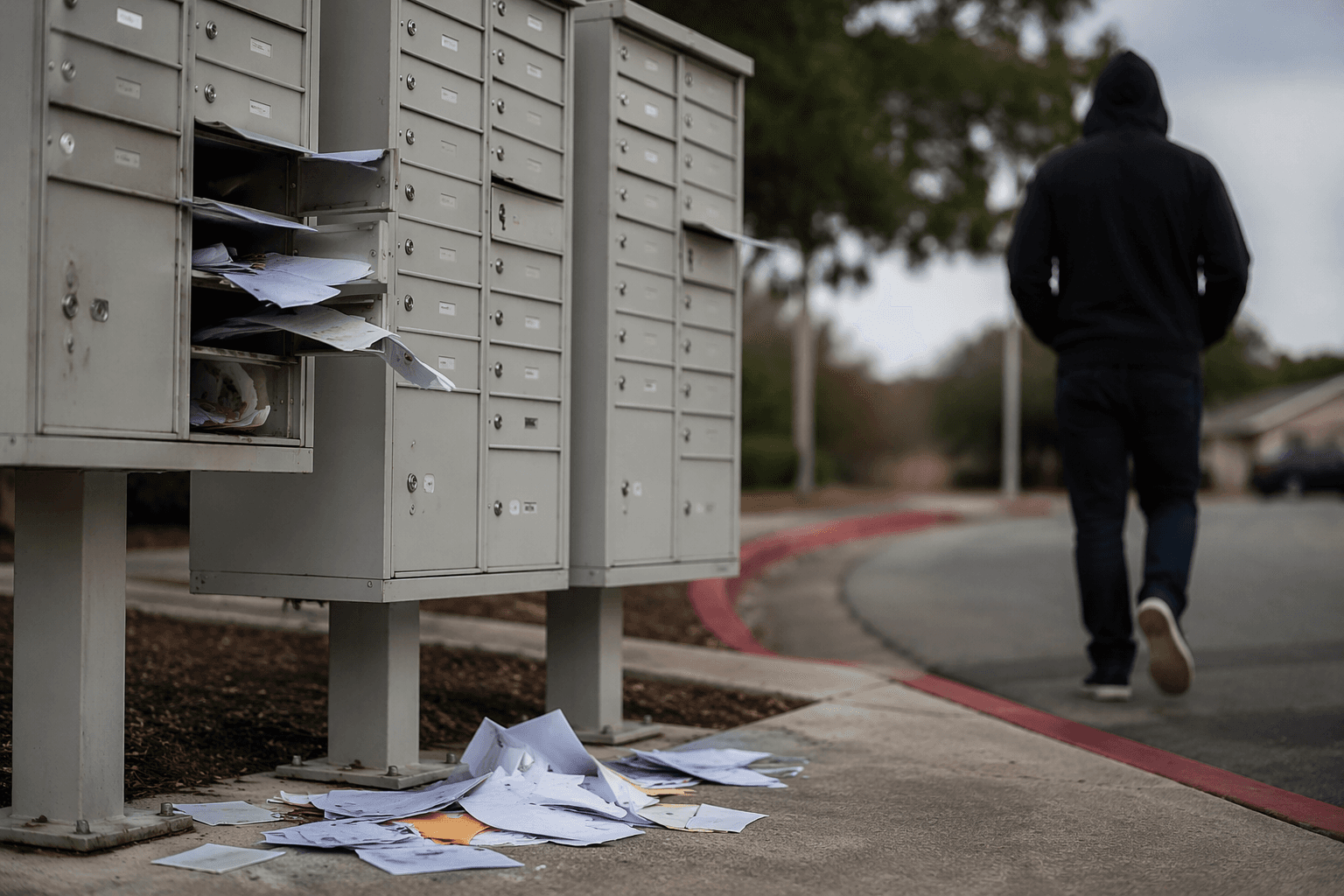
Thieves are stealing checks from mailboxes, washing away ink, and turning ordinary payments into counterfeit instruments that can drain accounts and trigger follow-on identity fraud. On January 27, 2025, the Federal Bureau of Investigation and the U.S. Postal Inspection Service said mail theft-enabled check fraud was rising, and the FBI said Suspicious Activity Reports tied to check fraud nearly doubled from 2021 to 2023.
FinCEN’s August 2024 analysis found 15,417 Bank Secrecy Act reports linked to mail theft-related check fraud during the Feb. 27 to Aug. 31, 2023 review period, with more than $688 million in actual or attempted transactions. Check washing usually means changing the payee name and often the dollar amount, then depositing the altered check. In some cases, thieves steal checks from mailboxes and use chemicals to strip the ink; in others, they copy or scan the check and make a fake version.
Criminals may keep using personal information found in stolen mail for credit card or credit-account fraud after the original check is negotiated. Postal inspectors recover more than $1 billion in counterfeit checks and money orders every year.
Federal Reserve research found that 6% of consumers paid bills by check in 2024, and in 2025, 33% said they had made a check payment in the prior 30 days, down from 35% in 2024. More than 90% preferred a payment method other than paper checks for bill pay in 2024, but households, landlords, utilities and small businesses still rely on them.
Pick up mail promptly and use USPS Informed Delivery, which gives free preview images of incoming mail and package status updates. If fraud appears, report it to local police and the Postal Inspection Service, and use the Federal Trade Commission and Consumer Financial Protection Bureau fraud-reporting and identity-theft resources.
This article was produced by Prism’s automated news system from verified source data, official records, and press releases, then run through automated quality and moderation checks before publishing. The system is built and supervised by the people who set the standards it runs under. Read our full AI policy.
Know something we missed? Have a correction or additional information?
Submit a Tip