Maine Democrats race to replace Senate nominee amid ballot deadline fight
Maine Democrats are preparing a 600-person convention to pick Graham Platner's replacement, but only if he exits by July 13. The ballot clock now governs the race.

Maine Democrats have started organizing an in-person convention of about 600 people to choose a new Senate nominee if Graham Platner withdraws in time.
Under Maine law, a primary nominee must withdraw by 5 p.m. on the second Monday in July to allow replacement, and for 2026 that means July 13. The Maine Commission on Governmental Ethics and Election Practices lists that day as the Withdrawal for Replacement Deadline and July 27 as the Replacement Nomination Deadline. If Platner withdraws on time, the Secretary of State must declare a vacancy, and if the party names a replacement by July 27, new ballots can be produced or already printed ballots amended.
The Maine Democratic Party state committee voted Wednesday to hold a nominating convention if a vacancy is created. Party leaders want to channel the energy around Platner’s campaign into a new nominee capable of challenging Susan Collins, who is seeking a sixth Senate term. Democrats have not won a Senate election in Maine since 1988, and Collins is the only Republican senator from a state carried by Kamala Harris in 2024.
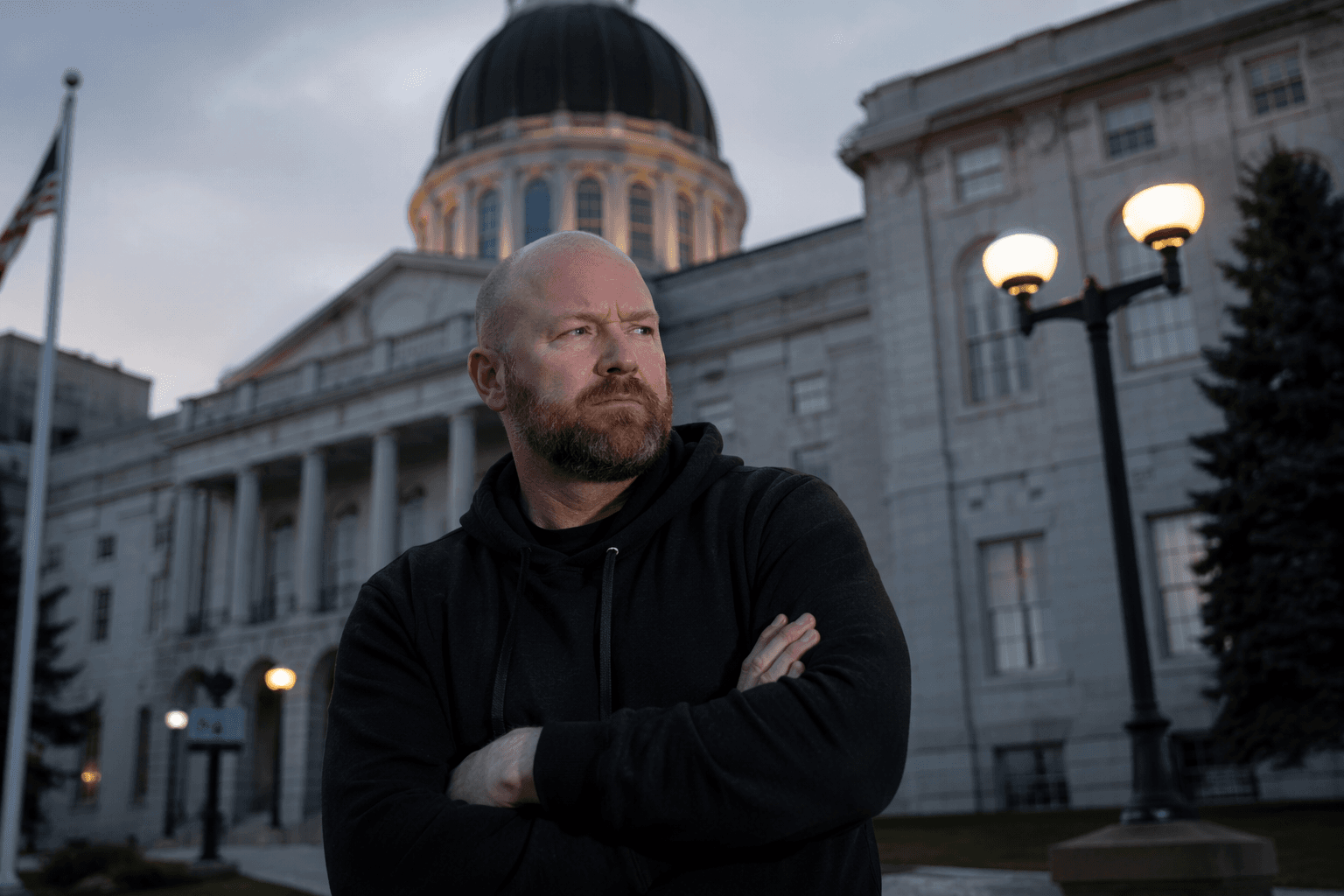
Troy Jackson filed paperwork to explore a Senate run and later said, “I’m in.” Shenna Bellows said she would “seriously consider” entering the race if Platner stepped aside.
Jackson has already picked up support from Our Revolution, the progressive group founded by Bernie Sanders. Some of his past votes, including a 2009 vote against same-sex marriage, are resurfacing as a possible problem with parts of Platner’s base.
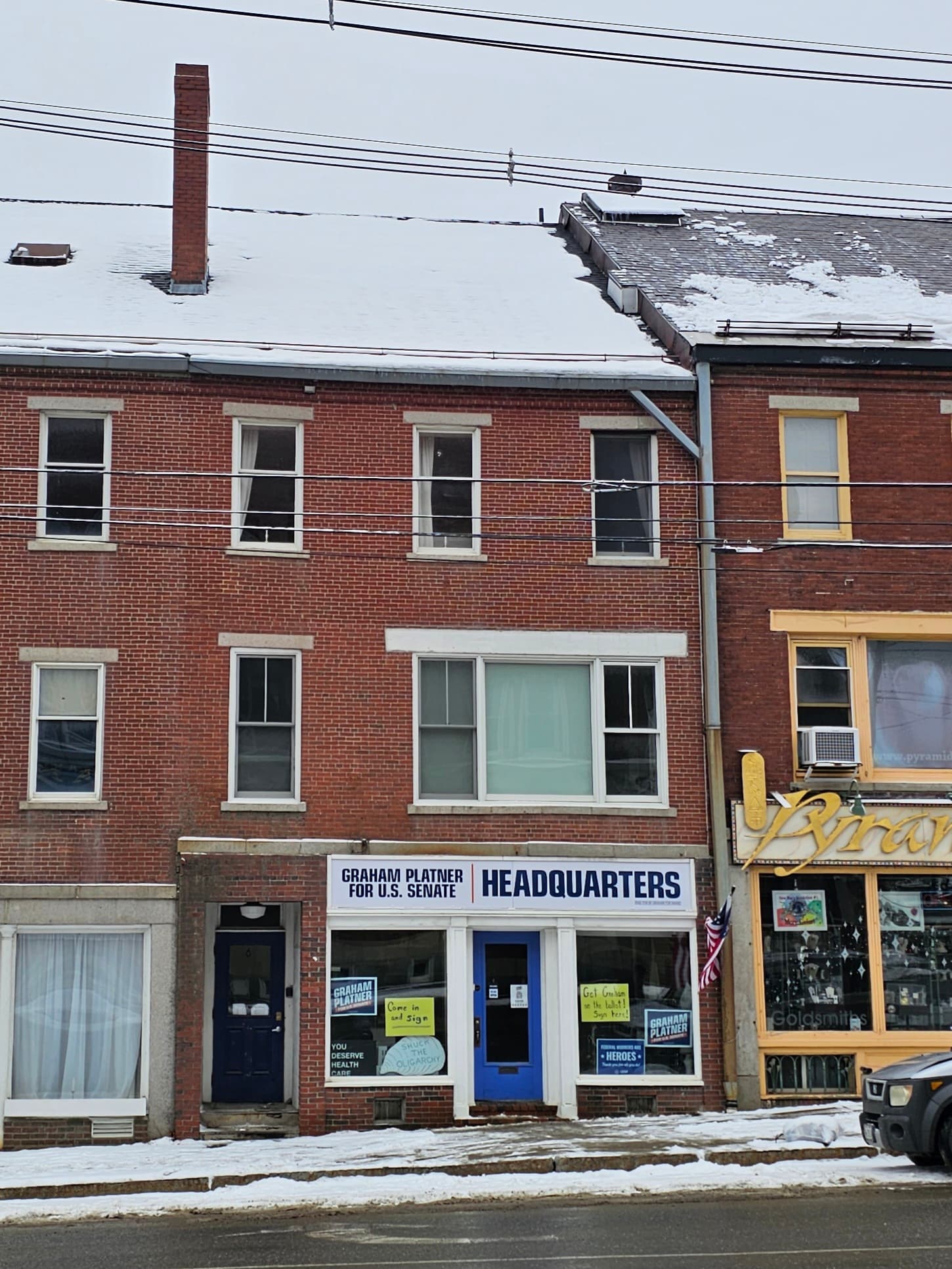
Platner’s exit followed a sexual assault allegation that he denied, and his campaign clashed with party leaders over how any replacement should be selected.
This article was produced by Prism’s automated news system from verified source data, official records, and press releases, then run through automated quality and moderation checks before publishing. The system is built and supervised by the people who set the standards it runs under. Read our full AI policy.
Did this article answer your question?