Maine governor primary heads to ranked-choice runoff after no majority
Bobby Charles led Maine Republicans with 37.32% in the first round, but ranked-choice counting in Augusta will decide the nominee by June 19.

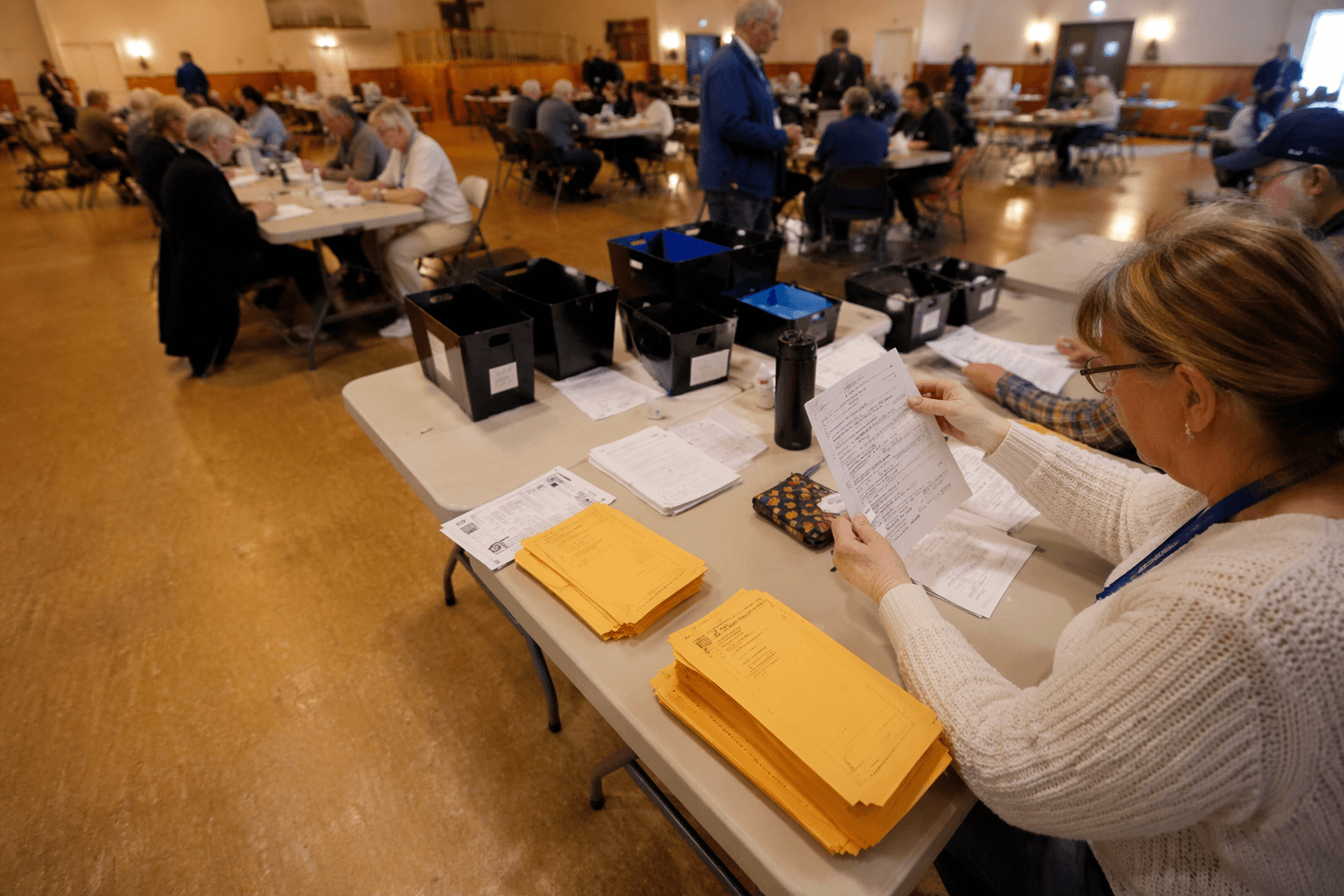
Maine’s Republican race for governor moved into ranked-choice tabulation after no candidate cleared a majority on June 9, leaving Bobby Charles ahead on Election Night but short of the 50% mark needed to claim the nomination outright. State officials will begin the count in Augusta on Friday, June 12, and expect to finish before June 19, turning a close first round into a multi-day runoff that could still change the apparent result.
Charles, a lawyer and former U.S. assistant secretary of state, emerged as the early leader, with one live-results source placing him at 37.32% in the first round. Benjamin Midgley, a fitness franchise executive, and Jonathan Bush were also among the leading Republican contenders in a field that had seven active candidates, even though eight names appeared on GOP ballots. Because no one won a first-choice majority, the race now depends on how voters ranked the rest of the field.
That is where Maine’s system matters. Ranked-choice voting lets voters list second and later preferences, and when no candidate reaches a majority, the candidate with the fewest first-choice votes is eliminated. Ballots for that candidate are then transferred to each voter’s next available choice. The process repeats round by round until one candidate passes 50%. In practical terms, Charles is not just running against Midgley or Bush. He is also competing for the backup support of voters whose first choice has already been knocked out.
The system can make Election Night look decisive when it is not. A candidate may lead the initial count, as Charles did, yet still lose ground if enough rival ballots move to another contender in later rounds. That is why second-choice support can be as important as first-place votes in Maine primaries, especially when the field is splintered across several candidates with overlapping support.
Maine approved ranked-choice voting by referendum in 2016, and the state uses it in primaries and federal races. It does not apply to the general election for governor, which means the Republican nominee will face the eventual Democratic nominee on November 3, 2026, under a plurality system instead. The open seat carries added weight because Gov. Janet Mills is term-limited and cannot seek a third consecutive term.
The contest is one of 36 gubernatorial races nationwide this year, in a state where the election division advises and administers 500 municipalities. With Republicans holding 26 governors’ offices and Democrats 24, Maine’s final tabulation will help shape not just one nominee, but the broader political map.
This article was produced by Prism’s automated news system from verified source data, official records, and press releases, then run through automated quality and moderation checks before publishing. The system is built and supervised by the people who set the standards it runs under. Read our full AI policy.
Know something we missed? Have a correction or additional information?
Submit a Tip