Maine House Advances Bill to Pause Large Data Center Construction Through 2027
Maine's House voted 82 to 62 to freeze permitting of data centers drawing 20 megawatts or more, putting the state on track to become one of the first in the nation to impose a statewide pause on AI-scale facilities.
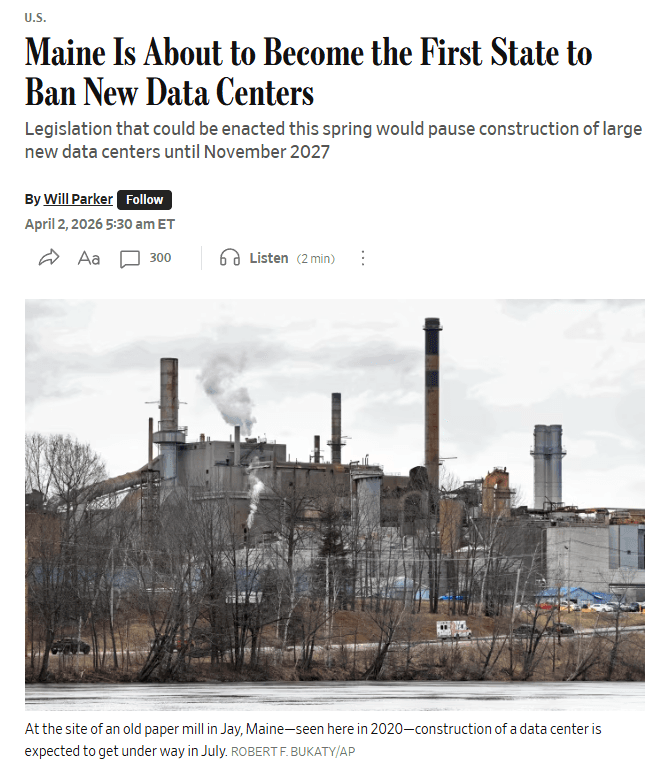
The Maine House of Representatives passed LD 307 by a vote of 82 to 62 Tuesday, advancing what would be among the first statewide moratoriums on large-scale AI data center construction in the United States. The bill now heads to the Senate.
The measure, sponsored by Rep. Melanie Sachs (D-Freeport), chair of the Legislature's Energy, Utilities and Technology Committee, would ban state agencies, local governments and quasi-governmental bodies from issuing permits or approvals for data centers with an electrical load of 20 megawatts or more. That threshold targets facilities large enough to power tens of thousands of homes and covers the scale of computing infrastructure increasingly demanded by artificial intelligence workloads. The freeze would remain in effect through November 1, 2027.
"AI data centers are increasingly drawn to locations with available land and strong connectivity, qualities that Maine is well positioned to provide," Sachs said, framing the pause as a protective measure for ratepayers and natural resources. On the House floor, she drew a sharper line: "This is not a bill against innovation, nor is it a rejection of economic development."
Alongside the moratorium, LD 307 would establish a Maine Data Center Coordination Council charged with examining how large computing facilities affect electric grid reliability, water resources and utility costs, and issuing recommendations to state and local regulators before the pause expires.
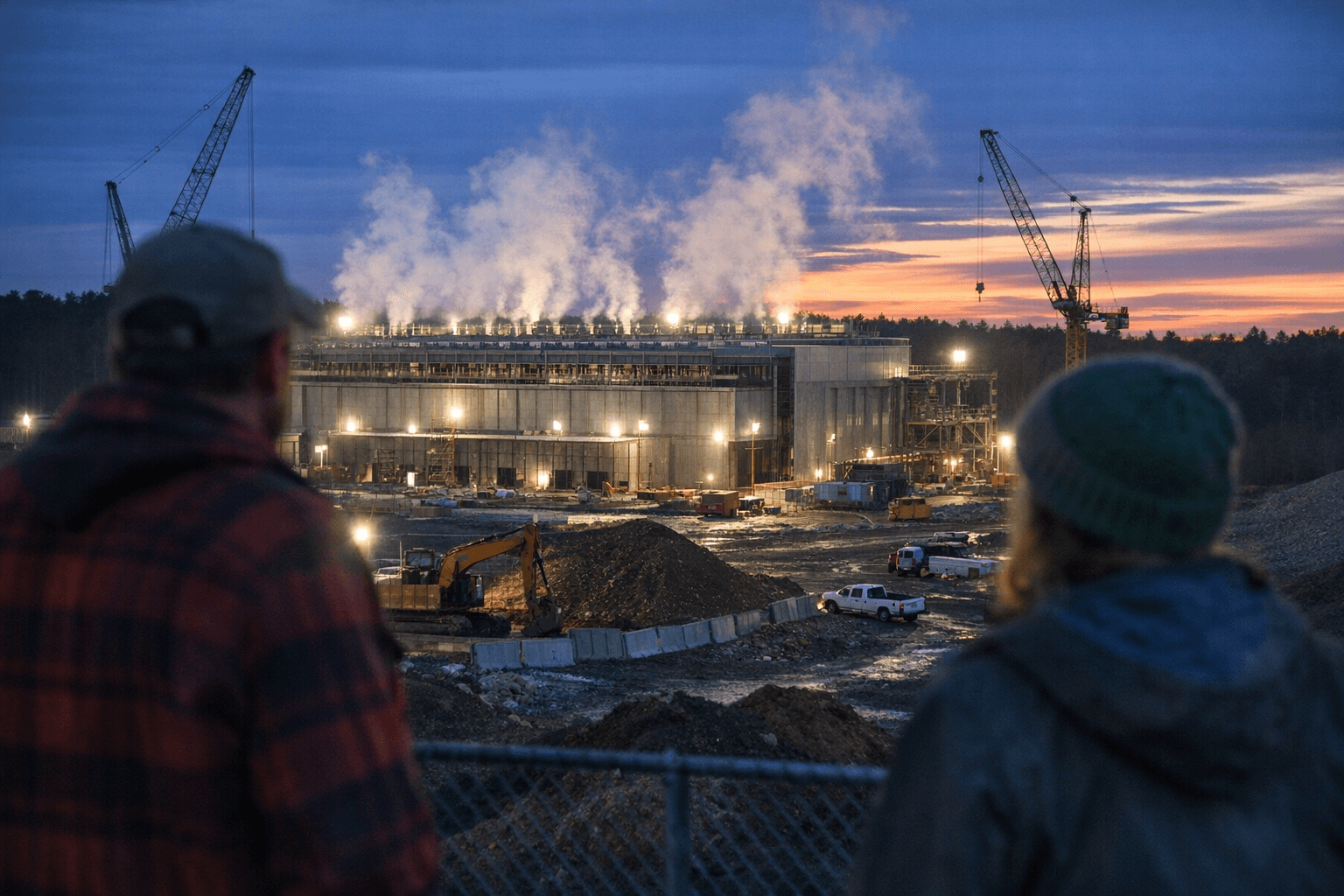
The vote came only after the House rejected a floor amendment that would have created an exemption process under the moratorium, a provision widely seen as aimed at a proposed data center at a former paper mill in Jay. Critics of the moratorium, including developers with projects in Jay and Sanford, have warned it could kill economic development deals and forfeit tax revenue and jobs. Residents in Lewiston, Wiscasset and Sanford had each previously pushed back against local proposals, citing concerns that developers rushed decisions and withheld details about water and energy use.
The House also gave initial approval Tuesday to LD 713, which would exclude data centers from Maine's Business Equipment Tax Exemption Program and the Dirigo Business Incentives Programs. Rep. Daniel Sayre (D-Kennebunk) argued that data centers do not align with the goals of those incentive programs, saying the tax breaks were designed primarily for job-intensive industries that large automated computing facilities do not represent.
Maine's action arrives as the broader national debate over AI infrastructure moves from municipal meetings into state legislatures. Several states across New England share an aging regional grid and face overlapping pressure from developers targeting former industrial sites, inexpensive land and existing fiber networks. The outcome of LD 307 in Maine's Senate could shape how other states weigh economic incentives against grid stress and community impact as the next generation of compute capacity searches for a home.
This article was produced by Prism’s automated news system from verified source data, official records, and press releases, then run through automated quality and moderation checks before publishing. The system is built and supervised by the people who set the standards it runs under. Read our full AI policy.
Did this article answer your question?

