Maine’s seals rebound, drawing attention to Acadia-area shoreline habitats
Maine’s shoreline seals are more than a scenic draw. Their rebound reveals healthier habitats, heavier tourism pressure, and the need to protect wildlife from human interference.
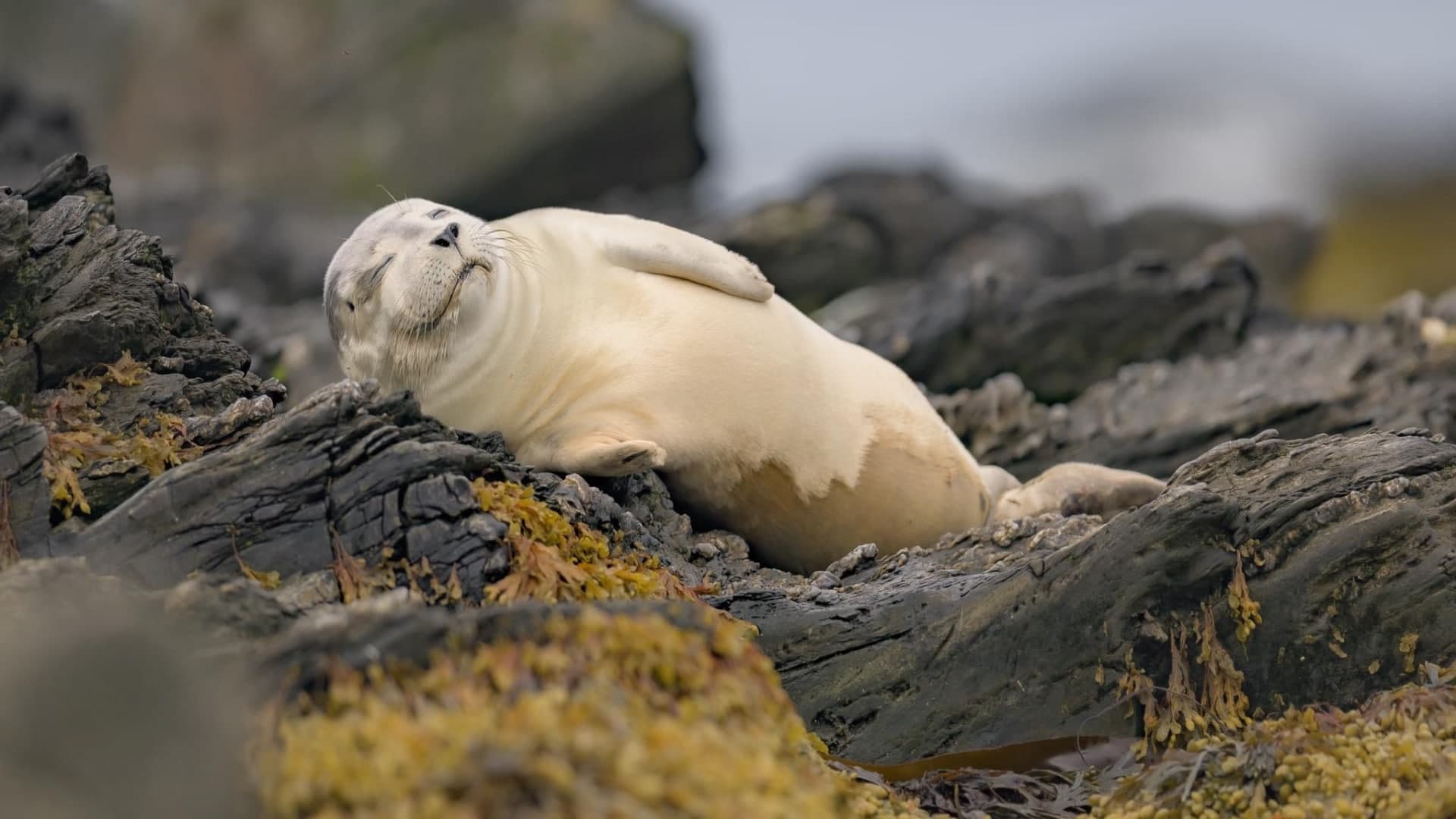
Why seals are suddenly part of the coastal experience
Seals have become one of the most familiar wild animals along Maine’s coast, especially near Mount Desert Island and the Acadia-area shoreline. The animals are no longer a rare sighting at the edge of the surf; they are now part of the everyday coastal scene, resting on rocks, hauling out on beaches, and giving visitors a vivid reminder that these waters still support living marine habitat.
That visibility matters for more than postcard value. It reflects a broader ecological recovery, especially for gray seals, and it places new responsibility on the people who come to watch them. Maine’s seal populations now sit at the intersection of marine ecology, tourism, and wildlife protection, where a close look at the shoreline also means knowing when to keep a respectful distance.
The two seal species most people are seeing
The seals most commonly seen along Maine’s shores are harbor seals and gray seals, the two main seal species that breed and forage in the U.S. Northwest Atlantic. NOAA Fisheries studies both species to understand how many there are, where they live, what they eat, and how changing climate conditions may affect them. That research treats seals as sentinels of the marine environment, a useful warning system for broader shifts in the sea.
That role is especially relevant in Maine, where the animals are visible enough to shape public perception of the coast. Their presence can signal productive waters and healthy haul-out habitat, but it can also reveal where human traffic is pressing against sensitive shorelines. In places that draw hikers, boaters, photographers, and wildlife watchers, the challenge is to let the animals remain part of the landscape without turning them into a disturbance point.
Where the seals fit into Maine’s coastal ecology
Acadia-area shoreline habitats, including Mount Desert Island, provide some of the best-known seal-viewing areas in the region. The Nature Conservancy’s Indian Point-Blagden Preserve on Mount Desert Island explicitly highlights seals as part of its abundant wildlife, alongside osprey and other coastal species. That kind of habitat is valuable not only because it supports wildlife, but because it helps preserve the natural behaviors that make the coast biologically rich in the first place.
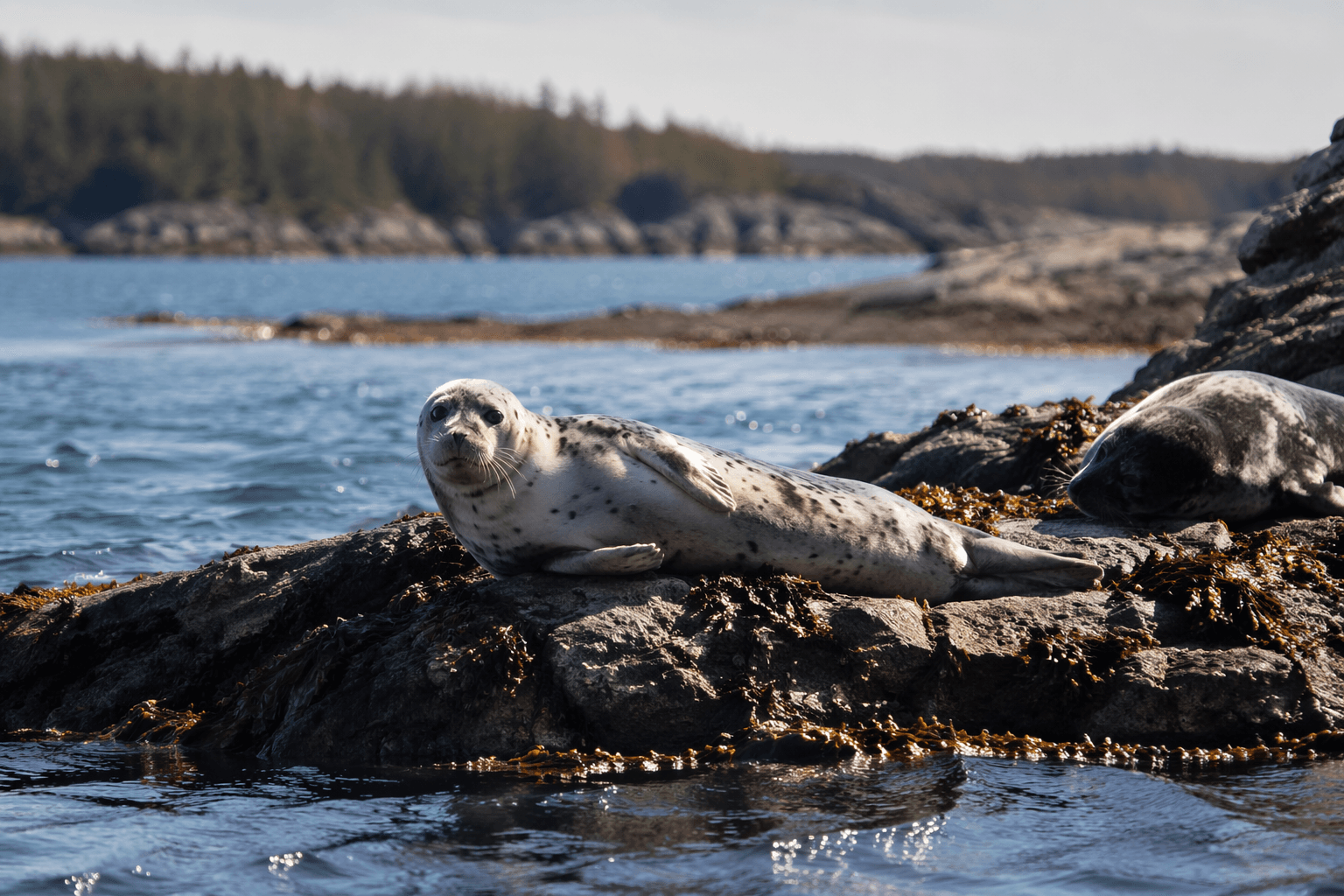
Farther east in Penobscot Bay, Seal Island stands out as one of Maine’s most important gray seal sites. One Maine account describes the island as home to more than 400 gray seals and a major pupping site. Other breeding spots including Green Island and Petit Manan help show how these animals are distributed across a network of rocky ledges and offshore islands, rather than concentrated in a single place.
A recovery story shaped by protection law
Gray seals were once far less common in New England. Their numbers were reduced by bounties, hunting, entanglement, and other hazards, leaving them rare in places where they are now seen regularly. Their rebound followed the 1972 Marine Mammal Protection Act, which changed the legal landscape for marine wildlife and helped create the conditions for recovery.
That history matters because it shows what protection can do when it is enforced consistently over time. The comeback of gray seals is not just a wildlife success story; it is also a reminder that conservation policy can restore parts of an ecosystem that once seemed gone for good. Their return is one reason Maine’s coast now feels so visibly alive in winter and spring.
What NOAA is measuring and why it matters
NOAA Fisheries conducts harbor seal abundance surveys along the coast of Maine in late May to early June, timed to the peak pupping period. Gray seal abundance surveys take place in January at colonies in Maine and Massachusetts during the pupping season. These surveys help track population trends and support a clearer picture of how seal numbers are changing over time.
That work is important for public understanding as well as science. If seal numbers rise, people notice. If weather patterns, prey availability, or habitat conditions shift, scientists need data to interpret what is happening. In a state where seals are so visible, survey work helps connect what people see on a beach or ledge to the larger marine system behind it.
How to respond when a pup is on the beach
Spring is harbor seal pupping season in northern New England, and that is when beach sightings can cause the most concern. Maine officials say it is not unusual for a seal pup to be left alone on the beach by its mother for up to 24 hours. That does not automatically mean the animal is abandoned, and well-meaning intervention can do more harm than good.
The most important rule is simple: do not touch or move a marine mammal without authorization. Under the Marine Mammal Protection Act, handling a marine mammal without permission is illegal. That law exists not only to protect seals, but also to protect people from unnecessary risks and to keep human contact from disrupting a mother-pup bond.
If a pup is seen alone, the safest response is restraint. Keep your distance, give the animal space, and let trained wildlife authorities determine whether intervention is needed. The reality that a pup may rest alone for many hours is one reason public education matters so much along the coast, especially in places where beachgoers and wildlife overlap.
Why the seal rebound changes the coastal economy
Maine’s seal populations have become a visible draw for travelers who come seeking wildlife as much as scenery. That can support local tourism, especially in areas near Acadia National Park and other shoreline destinations where visitors are already looking for low-impact outdoor experiences. But the popularity of seal viewing also puts pressure on the same habitats that make the animals easy to see.
The best version of wildlife tourism is not possession, it is access with limits. Seals can enrich the visitor experience without being treated like props, and shoreline communities can benefit from that attraction if human behavior stays within the boundaries that protect wildlife. The rebound of gray seals, together with the steady presence of harbor seals, shows that Maine’s coast remains biologically vibrant, but only if that vibrancy is respected.
Maine’s seals are now part of the state’s coastal identity, not an afterthought to the scenery. Their return reflects decades of protection, careful monitoring, and habitat recovery, while their daily visibility keeps asking the same question of anyone who stops to watch: whether people will treat a shared shoreline like a living system, or just another place to stand and look.
Know something we missed? Have a correction or additional information?
Submit a Tip