Make your serve a weapon with focused practice routines
A practical primer lays out structured, rep-based serve routines and drills to build short-serve consistency and third-ball attack readiness. Turn serve practice into a regular, measurable habit.
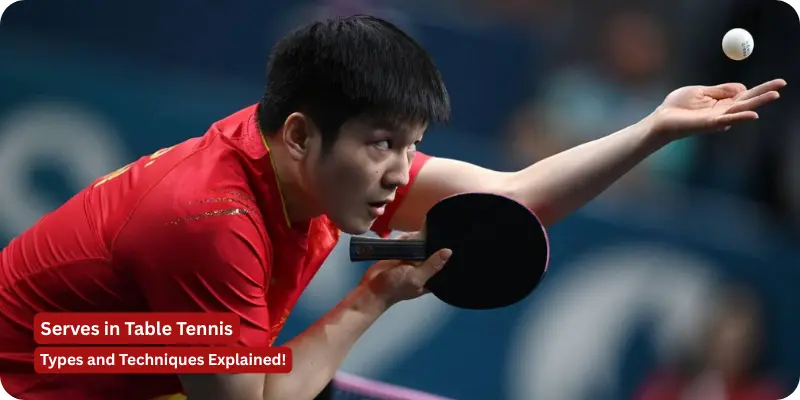
Serve practice is where matches are won or lost, yet it’s often the most neglected part of a home routine. This primer gives club and hobby players a clear, actionable roadmap: structured sessions, progressive targeting drills, rep-based practice and match-situation follow-ups that train both the serve and the crucial third ball.
Start each session with a clear structure. Warm up with 5-10 minutes of free hitting, then spend the bulk of your time on serve blocks: sets of focused repetitions on one variation before rotating. Use progressive targeting: begin with big targets to groove serve mechanics, then shrink the target area to train precision. Mark spots on the table with tape or stickers and score each serve for whether it lands in the intended zone and whether a legal short serve stayed short.
Combine short-serve variations with realistic third-ball plans. Don’t practice serves in isolation; follow a short serve with a practiced third-ball response pattern, push to your preferred attack zone, set up a half-long return you can smash, or practice blocking against a topspin return. Repetition of the serve plus the third-ball sequence gets timing and decision-making to match-match pace, not just muscle memory.
Design drills to simulate common match returns. Rotate through return types: the push (low, backspin), the half-long (blocks or controlled topspin), and full topspin returns. For each serve variation, plan a corresponding third-ball option and repeat the sequence until you hit your small, measurable targets. Track metrics such as percentage of legal short serves that stayed short, percentage of third-ball attacks that reached your target zone, or first-return neutralization rates over 50 or 100 serves.

Make serve practice a regular habit by setting small, measurable goals and logging progress. Rep-based training builds consistency, short, frequent sessions beat long, infrequent marathons. If you practice solo, focus on serve placement and an imagined return pattern; with a partner, alternate serve-and-return sequences so both players get reps on serve, return and third-ball play.
The takeaway? Treat the serve as a compound skill: placement, variation, and follow-up tactics. Our two cents? Track the tiny wins, percentages and targets, and let steady, rep-based work turn your serve into a reliable weapon at the club and in casual matches.
Know something we missed? Have a correction or additional information?
Submit a Tip