Malawi begins repatriating citizens from South Africa amid xenophobic violence
Two buses carried 150 Malawians out of South Africa as xenophobic attacks spread in the Western Cape, forcing neighbors to weigh rescue and restraint.

Malawi has started pulling home citizens stranded in South Africa as anti-immigrant violence spread through the Western Cape, turning a domestic security crisis into a regional test of protection and diplomacy. The first two buses carrying 150 Malawians left the province on June 6 and were expected to arrive back in Malawi by road on June 8.
The repatriation effort is voluntary and limited to Malawians who formally asked for help, a narrow approach that underscores both the scale of the fear inside South Africa and the limits of what Malawi can do. On June 2, Malawi’s Ministry of Foreign Affairs and International Cooperation said it was preparing the operation for nationals seeking to return home, while warning citizens to beware of fraudsters posing as government agents and offering repatriation help. Officials also said no individual or institution had been authorized to handle the exercise on the government’s behalf.
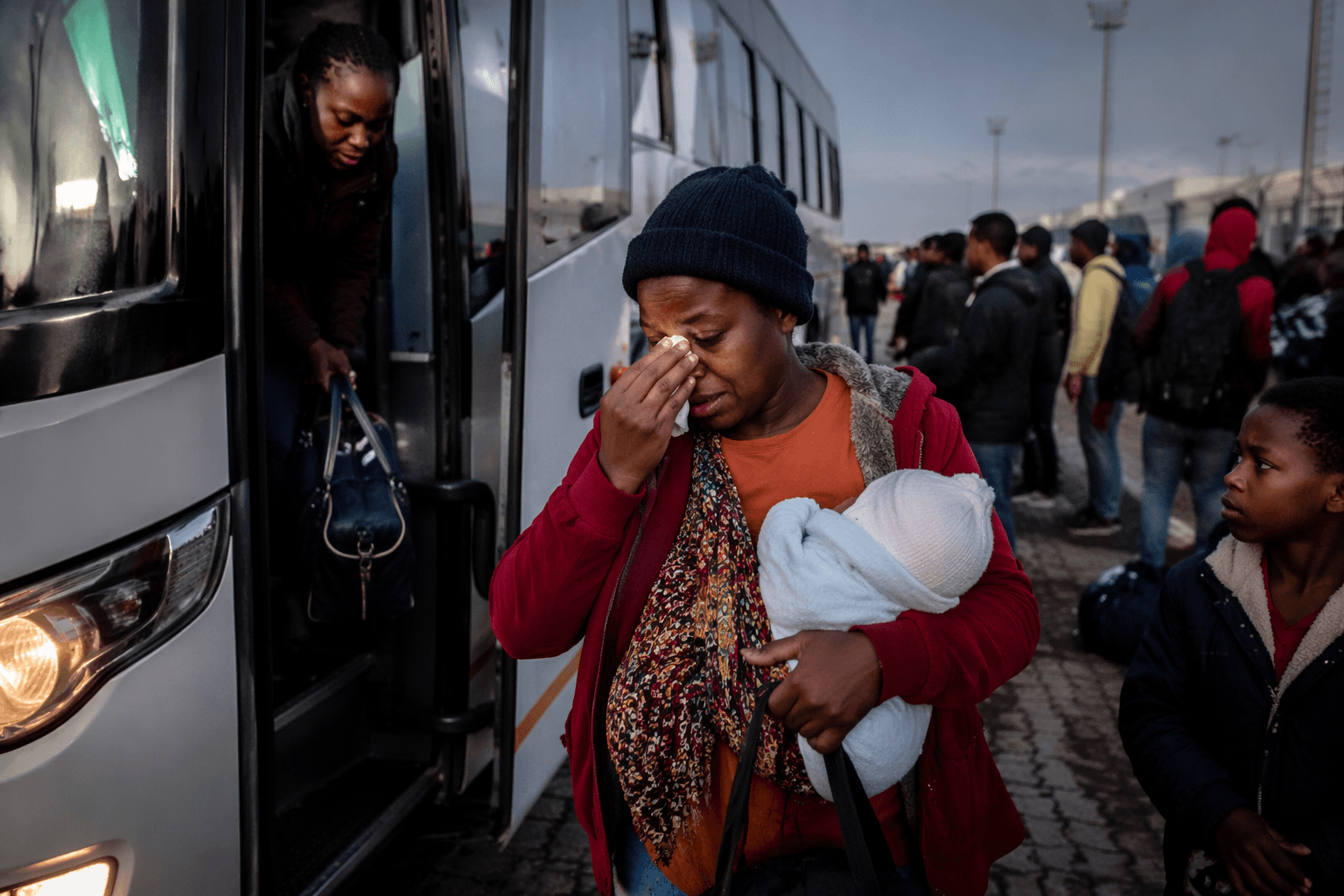
The evacuation comes after reports of anti-immigrant protests and violence in the Western Cape, including Mossel Bay and other coastal towns, where migrants from Malawi and Mozambique have been sheltering in community halls and other temporary safe spaces. South Africa’s President Cyril Ramaphosa said on June 7 that the government would crack down on groups behind the xenophobic attacks, a pledge that will now be judged against events on the ground.
For Malawi and its neighbors, the episode is familiar in a painful way. Mozambique said five of its citizens were killed in Mossel Bay over the weekend, while Ghana had already repatriated hundreds of its nationals from South Africa as the unrest spread. The regional response shows how quickly localized violence in South Africa can spill across borders, forcing governments to organize transport, shelter and returns for citizens who left home seeking work and safety.
The latest repatriation also points to a deeper question that has shadowed previous xenophobic flare-ups in South Africa: whether tougher language from Pretoria will be matched by effective protection for migrants in vulnerable communities. For now, Malawi’s buses are already on the road, and the speed with which they were needed has become part of the story.
This article was produced by Prism’s automated news system from verified source data, official records, and press releases, then run through automated quality and moderation checks before publishing. The system is built and supervised by the people who set the standards it runs under. Read our full AI policy.
Did this article answer your question?