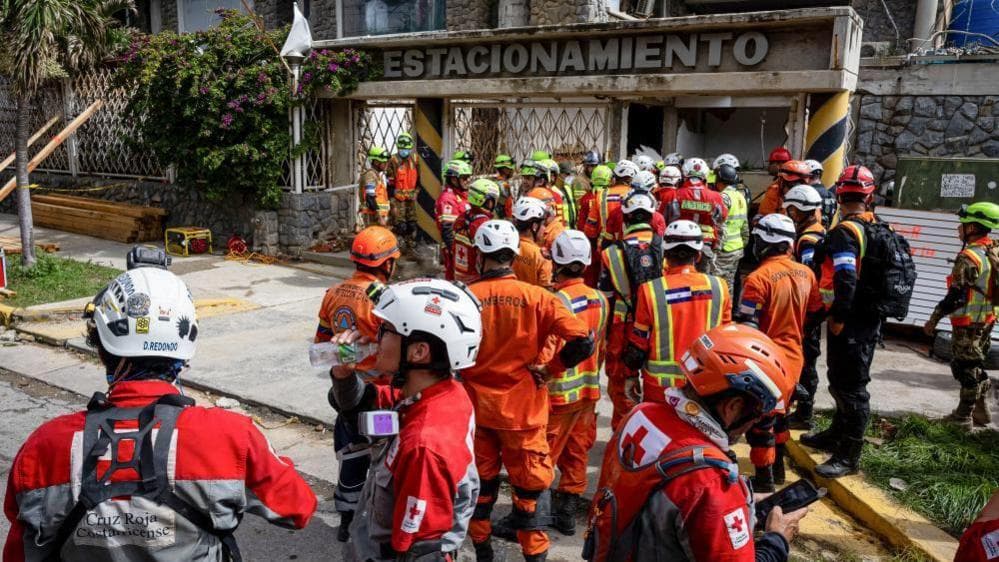
Mali junta leader meets Russian envoy after coordinated militant attacks
Goita’s meeting with Russia’s envoy underscored a junta leaning harder on Moscow as attacks hit Bamako, Kati, Kidal and Sevare.
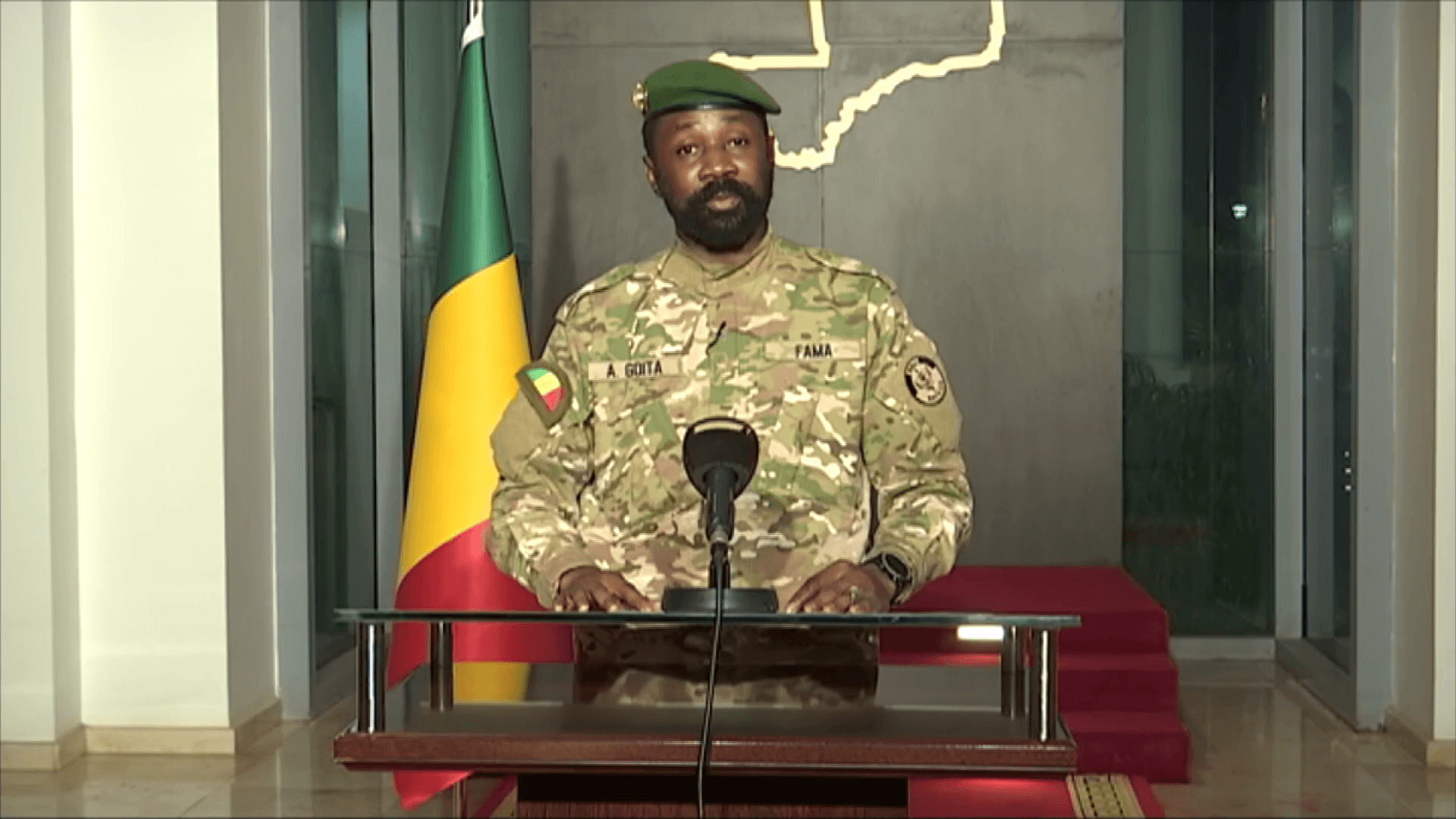
Assimi Goita reappeared beside Russia’s ambassador in Bamako as Mali tried to steady itself after the most coordinated militant assault in more than a decade. The public meeting with Igor Gromyko came after attacks spread across the capital, the airport, Kati, Kidal and Sevare, exposing how quickly the junta’s grip on security can be tested across the country.
The timing of the encounter mattered. The U.S. Embassy in Bamako warned on April 28 that it was aware of possible terrorist movements inside the city, including reports of forced school closures, and told Americans to shelter in place and avoid unnecessary travel. The embassy said Mali remained under a Level 4: Do Not Travel advisory, after the State Department ordered non-emergency employees and family members out of the country on Oct. 30, 2025 because of safety risks before operations were normalized on Jan. 9, 2026.
The attacks themselves cut across Mali’s brittle security map. Reuters reported that Jama’at Nusrat al-Islam wal-Muslimin, the al-Qaida affiliate active in Mali, claimed joint responsibility with the Tuareg-dominated Azawad Liberation Front. Al Jazeera said the Malian army declared the situation under control by late morning on April 25, though sweeping operations continued, while the FLA claimed control of Kidal and some areas in Gao. That claim could not be independently verified.
For Goita, the optics of meeting the Russian envoy while his government faced a widening security alert suggested a dependence that has only deepened since the coups of 2020 and 2021, when he later made himself president during the transition. AP and Reuters both described the assault as the largest coordinated attack in Mali in more than a decade, a reminder that the junta has not translated its foreign partnerships into durable stability.
Moscow has been quick to shape the narrative around the fighting. Russia’s Africa Corps, which supports the junta, said the offensive was foiled alongside Malian forces and claimed the attackers numbered about 12,000 and used sophisticated weapons, assertions that could not be independently verified. Kremlin-backed framing cast the violence as a coup attempt, but the facts on the ground pointed to something more troubling: a government dependent on outside backing, a capital on alert, and contested territory that remains vulnerable to armed groups pressing their advantage.
This article was produced by Prism’s automated news system from verified source data, official records, and press releases, then run through automated quality and moderation checks before publishing. The system is built and supervised by the people who set the standards it runs under. Read our full AI policy.
Did this article answer your question?