Malinin’s near‑perfect short program puts him atop Olympic field
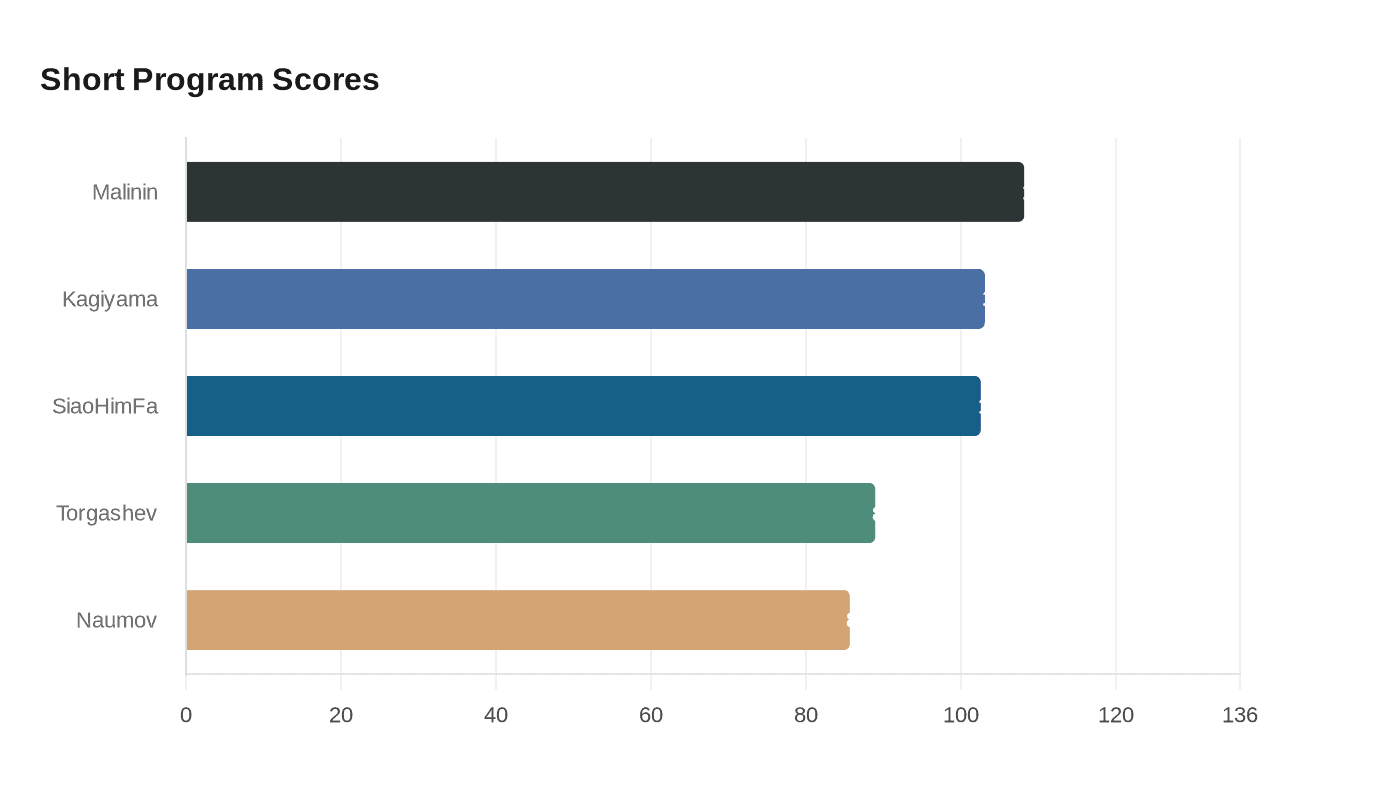
Ilia Malinin dominated the men's short program with 108.16, building a five-point cushion and setting the tone for the free skate on Friday.
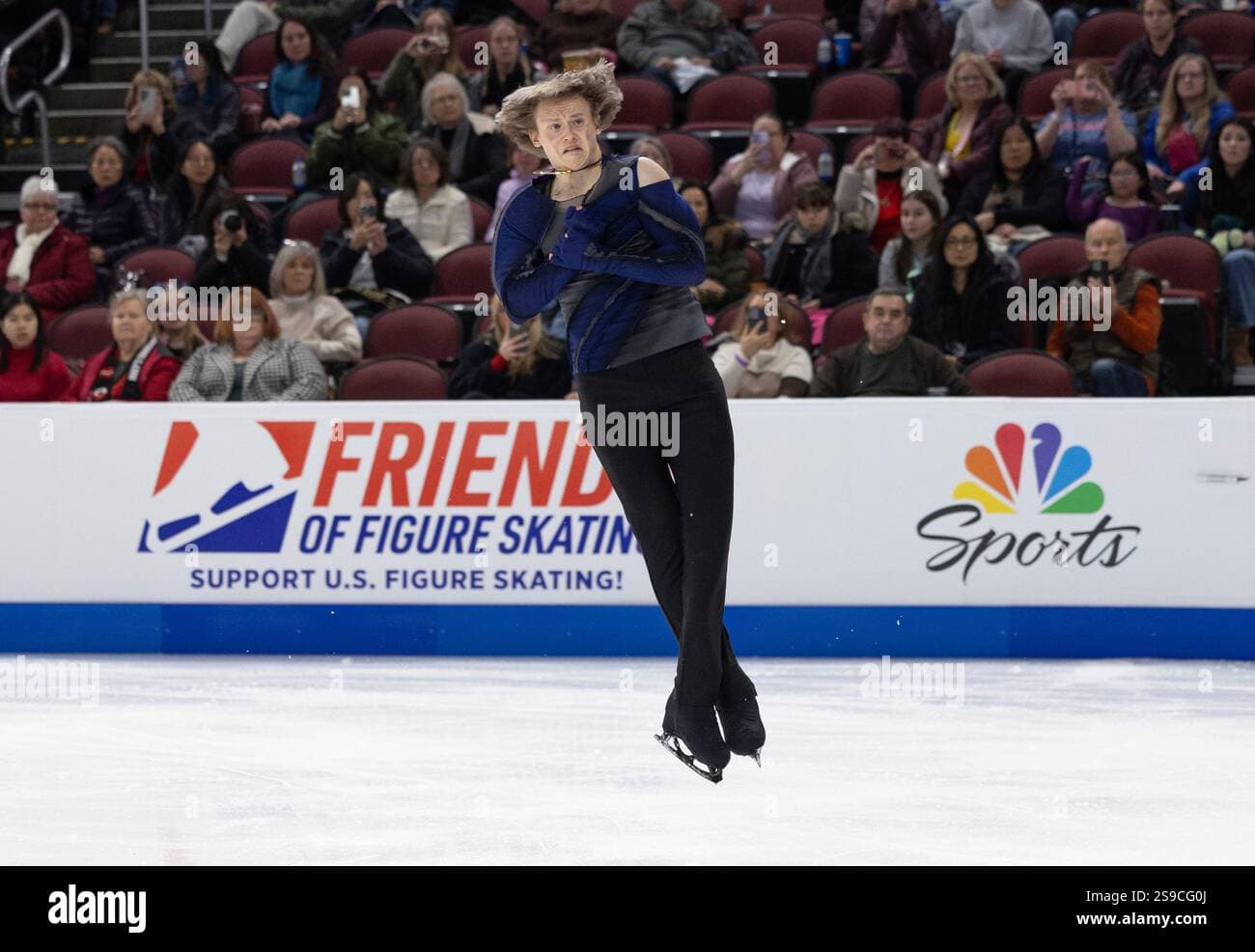
Ilia Malinin delivered a technically explosive, emotionally charged short program at the Milano Ice Skating Arena and opened a commanding lead in the Olympic men's event. Malinin scored 108.16 points, more than five points clear of Japan's Yuma Kagiyama, and left little doubt that he will be the man to beat heading into the free skate on Friday night.
Malinin's program read like a surgical demonstration of figure skating's current technical frontier. He opened with a big quad flip, landed a perfect triple Axel, and produced a quad Lutz-triple toe loop combination that was credited with more than 22 points on its own. He completed a pair of quadruple jumps, added a jaw-dropping backflip and his signature "raspberry twist," and received a massive standing ovation from the crowd. The emotional release showed on the ice: he screamed in joy midway through and playfully jabbed at a television camera after his skate.
The performance was also a statement of recovery from the emotional overload of the team event. "In the team event, I think I had too much, I'll call it, 'Olympic excitement.' It really just felt like there was so much pressure," Malinin said. "I was so hyped up, so excited to skate out there and it really came back and beat me." He added that he felt steadier in Milan. "I definitely felt like I was in a better zone this time," he said. "Having that attention, all those eyes on you, that pressure really shows you who you truly are on the ice. It's another skill to be able to perform it under pressure. I think that's something I really enjoy."
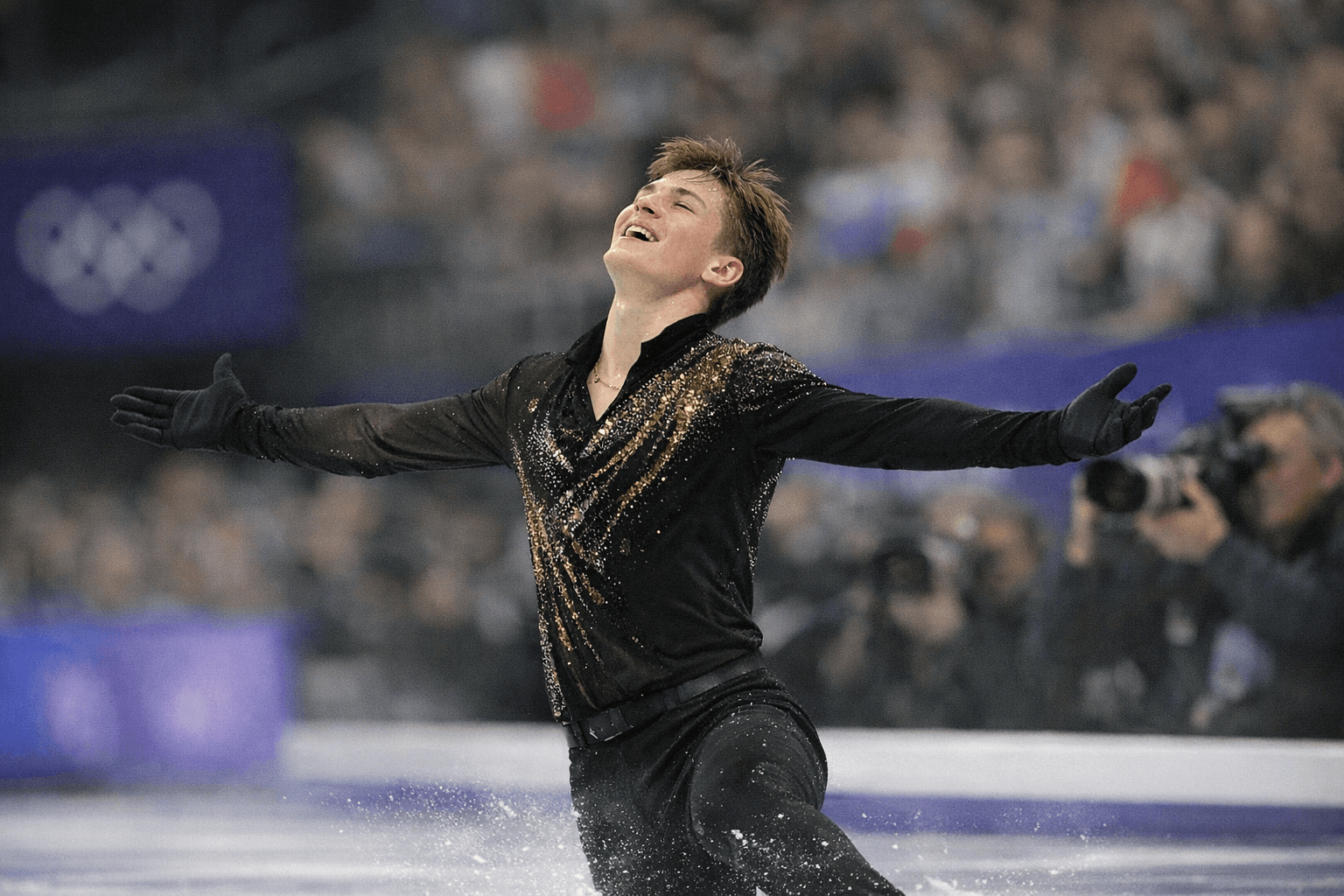
Kagiyama, second with 103.07, shrugged at the unpredictability the result underscores. "This is sports," he said through an interpreter. "You never know what is going to happen." France's Adam Siao Him Fa was third at 102.55, the last skater to have beaten Malinin more than two years ago, preserving a faint competitive thread into the free skate.
Team USA also advanced two other skaters. Andrew Torgashev produced a personal best 88.94 with a rock-and-roll themed program, crediting choreographer Shae Lynn Bourne for restoring a sense of freedom. "I chose to embrace the rock and roll of my program," Torgashev said. "My choreographer, Shae Lynn Bourne, she's instilled a certain type of freedom to my skating again. So, I just tried to hear her voice as I'm skating and enjoy the moment." Maxim Naumov posted a season-best 85.65 in his Olympic debut and skated a visibly emotional kiss-and-cry, holding a childhood photo of himself with parents who died in a plane crash last year.
Beyond medals and margins, Malinin's short program crystallizes several broader trends. The technical arms race in men's skating continues to accelerate, with multiple quads and high-scoring combinations now essential to podium contention. That evolution reshapes coaching, talent pipelines and the sport's broadcast narrative, supplying electrifying moments that attract new viewers while raising questions about athlete longevity and injury risk. Malinin's self-branding as the "Quad God" and his on-ice theatrics also speak to a new era where star personalities and highlight-reel moments carry commercial value for sponsors and networks.
With 29 skaters in the field and the top 20 advancing, the free skate on Friday will decide medals and test whether Malinin's technical lead and competitive poise will hold under an even longer program where strategy, stamina and the possible temptation to reveal even rarer elements could change everything.
This article was produced by Prism’s automated news system from verified source data, official records, and press releases, then run through automated quality and moderation checks before publishing. The system is built and supervised by the people who set the standards it runs under. Read our full AI policy.
Did this article answer your question?