Man charged with hate crimes after confrontation with Craig Melvin at NBC studio
A man was charged with hate crimes after confronting Craig Melvin inside NBC’s 30 Rockefeller Center studio complex. Police said he was arrested there Thursday morning.
A man was charged with hate crimes after police said he confronted Craig Melvin inside NBC’s 30 Rockefeller Center studio complex in Midtown Manhattan and was arrested there Thursday morning.
NBC News said the individual approached Melvin after entering the building, turning a security breach inside one of the city’s most visible media properties into a case police and prosecutors treated as more than a routine disturbance. The charges point to a legal threshold that hinges on motive as much as conduct, with investigators weighing whether the encounter was driven by bias.

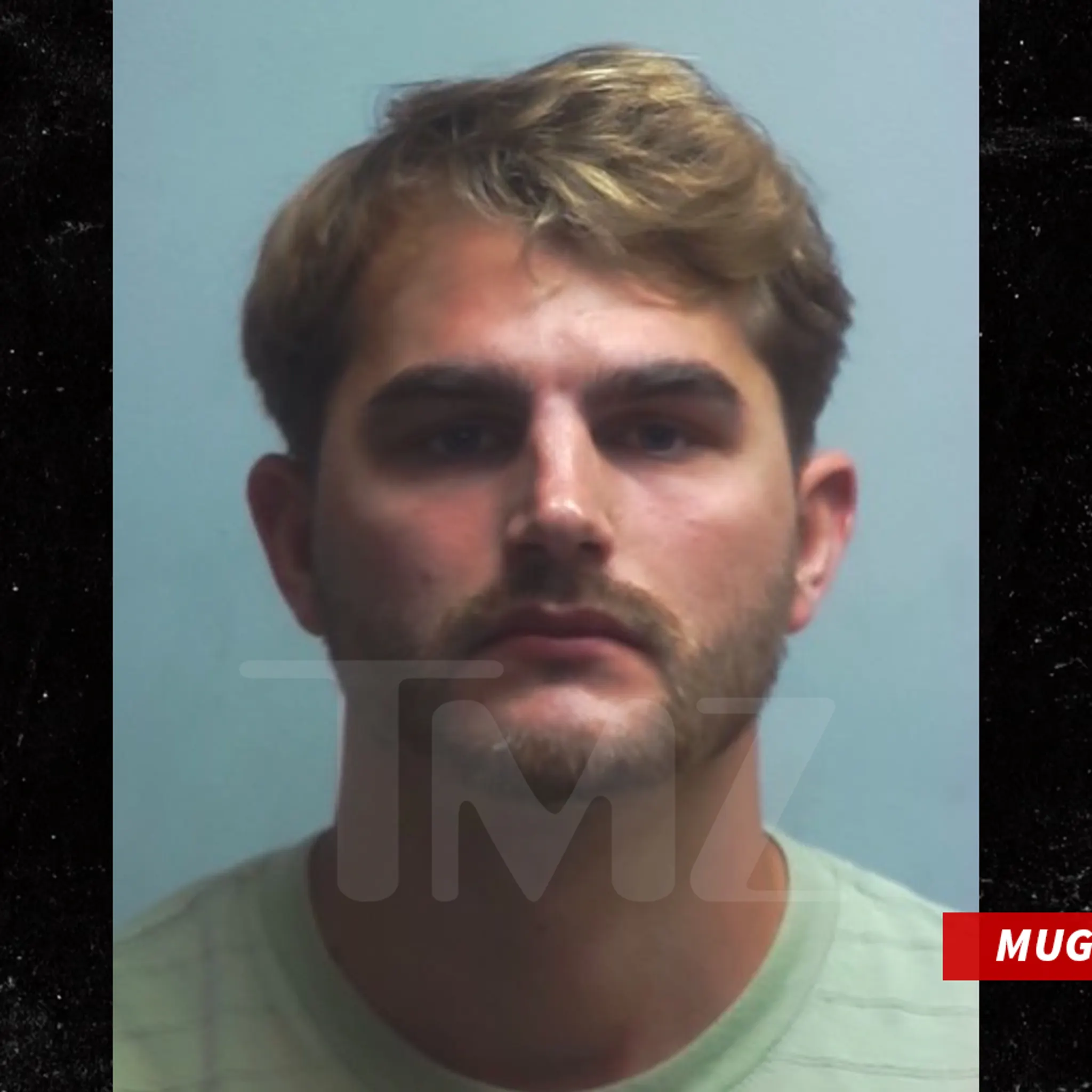
One report identified the accused man as Andrew Trulove, and said he faced two hate-crime charges. Police records show a court date has been scheduled for Wednesday. The case places a criminal complaint inside a working broadcast hub, where staff, talent and visitors move through a high-security space designed to protect national television programming and the people who appear on it.
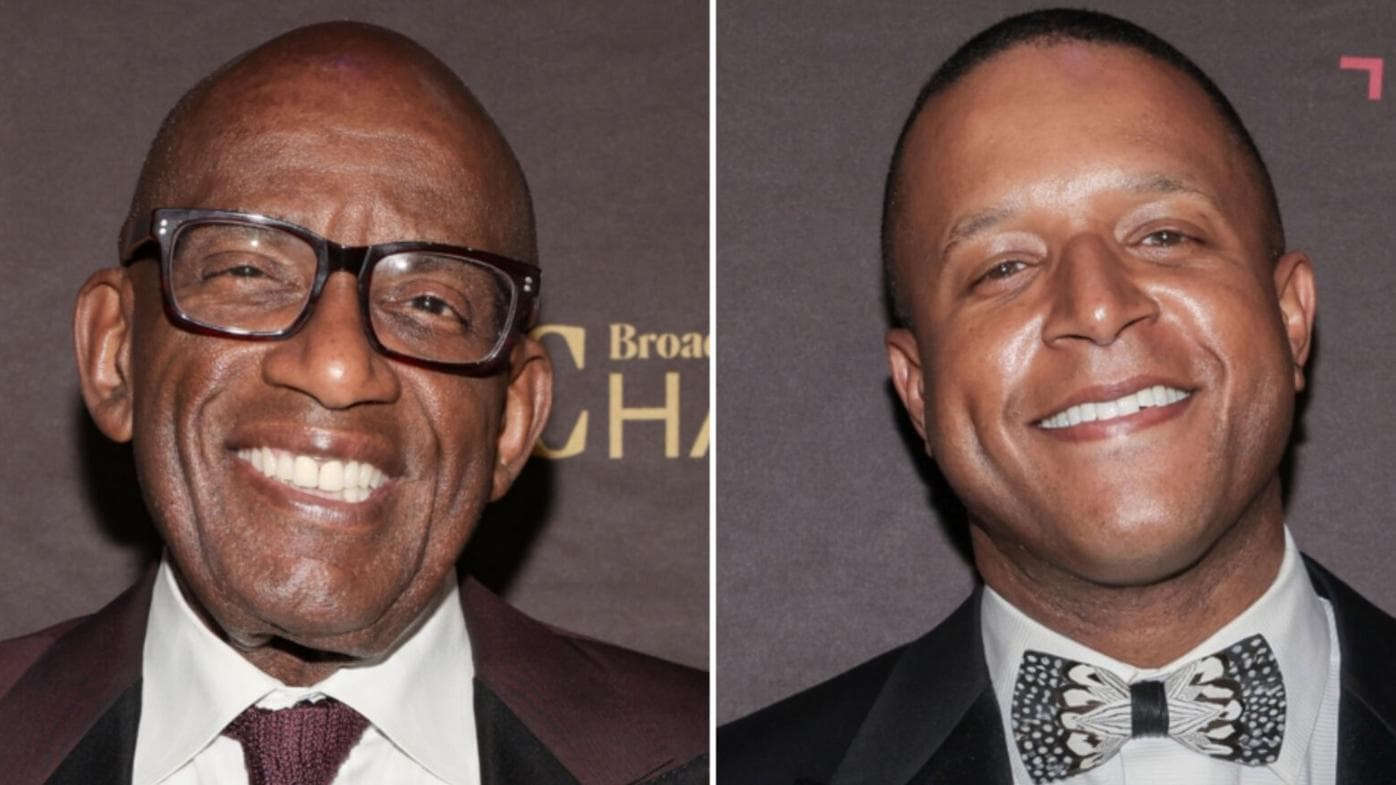
Additional details broadened the picture of the encounter. A separate 1010 WINS item said the suspect allegedly hurled racial slurs at Al Roker. The same reporting identified Melvin as Black and said he discussed the incident on-air Friday morning. WTHR quoted Melvin saying he was “safe and sound” after the breach at NBC’s Rockefeller Center studios.
The setting matters because NBC’s studio complex is not a private residence or an ordinary office; it is a public-facing workplace built around constant foot traffic, live production and celebrity visibility. When police say a confrontation there rises to hate-crime charges, the charge reflects a judgment that the conduct involved more than trespass, disorderly behavior or a workplace disruption.
The case is also being watched as part of a wider pattern of pressure on media figures who work in highly visible public spaces. Hate-crime statutes are reserved for conduct authorities believe was driven by the target’s identity or perceived identity, and the allegations around Melvin and Roker place that question squarely at the center of the prosecution.
The court date now gives the case a formal next step, with the focus on what happened inside 30 Rockefeller Center and why police and prosecutors concluded the encounter crossed the line into a bias-related offense.
This article was produced by Prism’s automated news system from verified source data, official records, and press releases, then run through automated quality and moderation checks before publishing. The system is built and supervised by the people who set the standards it runs under. Read our full AI policy.
Did this article answer your question?