Man retraces Underground Railroad route to honor Harriet Tubman legacy
Anthony Cohen’s 750-mile walk from Sandy Spring to Ontario put Harriet Tubman and the Underground Railroad at the center of America’s 250th-year reflection.
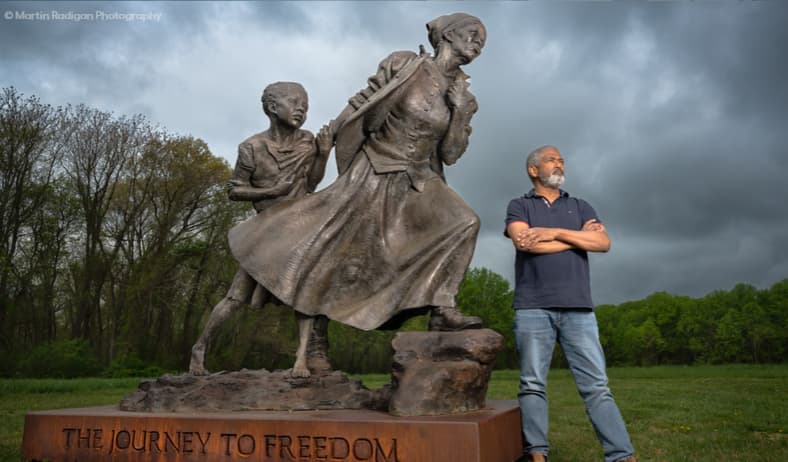
Anthony Cohen set out on a 750-mile retracing of the Underground Railroad from Maryland to Ontario, Canada, using foot travel, boats, horses and buggies to mark Freedom Walk 2026. The route began in Sandy Spring, Maryland, and was slated to end in Amherstburg, Ontario, where Cohen had finished a much longer journey three decades earlier.
The walk tied a personal mission to the national run-up to America’s 250th anniversary. Cohen has spent much of his life drawing attention to the Underground Railroad and said the new journey grew in part from concern that history was being attacked and from a desire to stand up for all American history. By choosing a route associated with escape, resistance and remembrance, he placed the unfinished history of freedom where it could not be treated as a footnote.
Cohen’s earlier trek began on May 4, 1996, and ended on July 7, 1996, after about 1,200 miles across five states. That trip, which included travel by foot, boat and rail, established the path he was revisiting in compressed form. Menare Foundation records describe it as an 800-mile journey to explore a little-known escape route to freedom, while other accounts place the total at roughly 1,200 miles, underscoring the scale of the undertaking he first completed from Sandy Spring to Amherstburg.
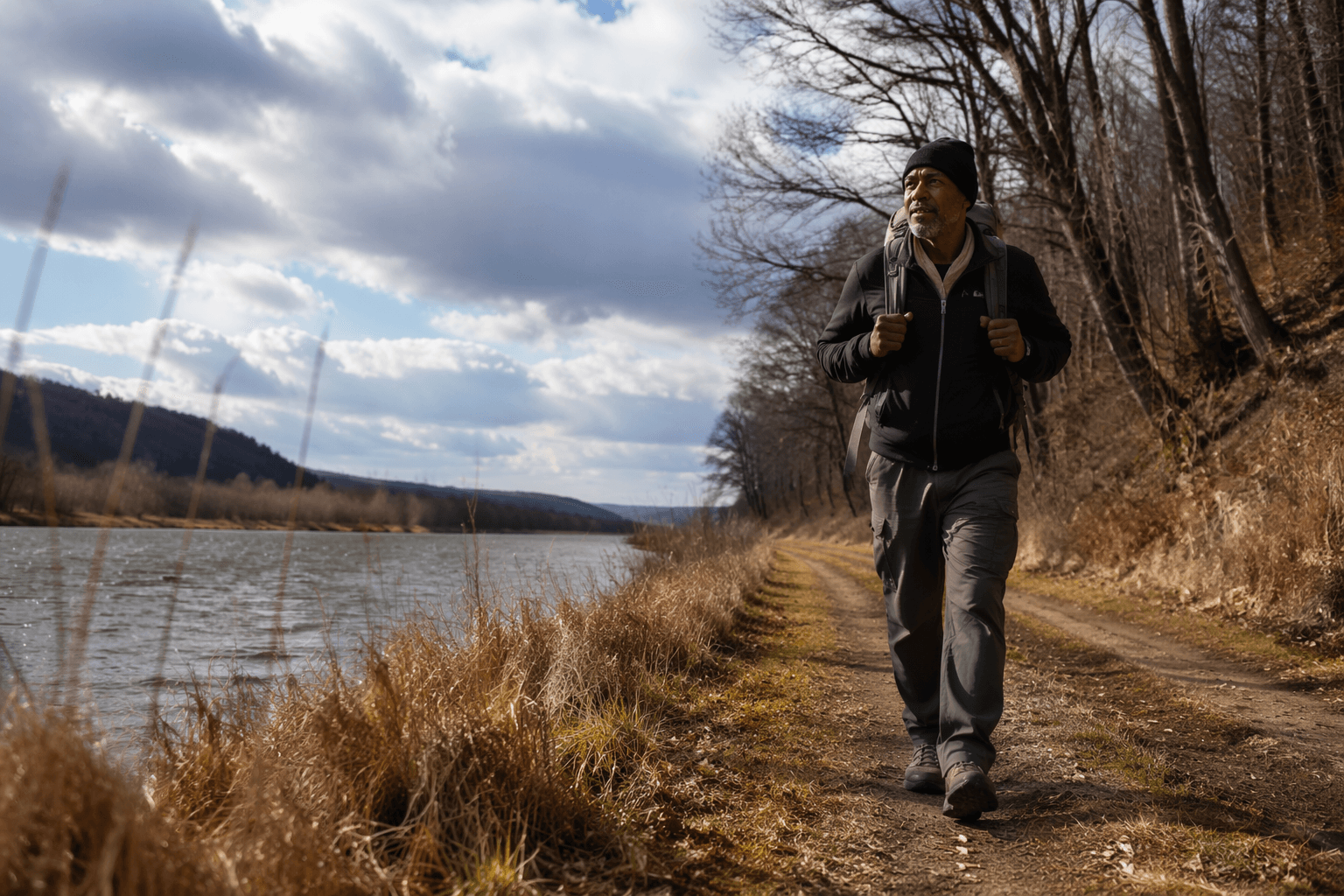
The route itself reflects the history Cohen wants to keep visible. The National Park Service says the Underground Railroad was not a literal railroad but a covert network of routes, safehouses and resources that helped enslaved African Americans gain freedom from the late 18th century through the Civil War. Historians estimate that about 50,000 to 100,000 people escaped that way, though exact numbers are hard to verify because the system was secret.
Harriet Tubman remains the most recognizable conductor on that network, and the National Park Service says she repeatedly risked her life to guide about 70 enslaved people to freedom. Her legacy now runs through the National Underground Railroad Network to Freedom, which includes more than 800 locations across 40 states, Washington, D.C., the U.S. Virgin Islands and Canada. As Smithsonian and the National Museum of American History help shape the country’s 250th-anniversary commemoration, Cohen’s walk pushed the Underground Railroad from the margins of the story to its center.
This article was produced by Prism’s automated news system from verified source data, official records, and press releases, then run through automated quality and moderation checks before publishing. The system is built and supervised by the people who set the standards it runs under. Read our full AI policy.
Know something we missed? Have a correction or additional information?
Submit a Tip