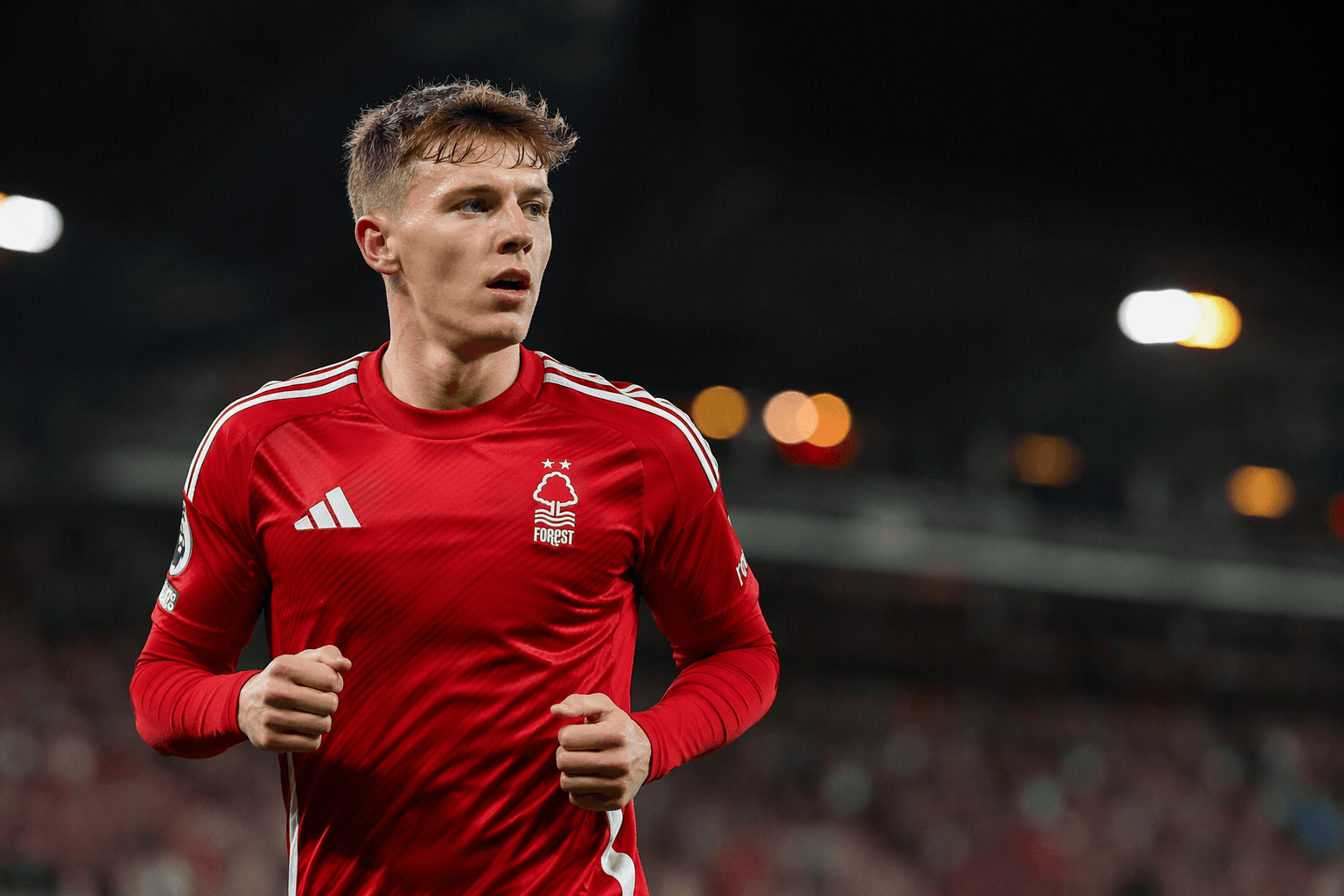
Manchester United close in on Champions League return, rebuild looms
Old Trafford is back on the edge of Europe’s top table, but the bigger test is whether Manchester United’s leadership turns qualification into a real rebuild.
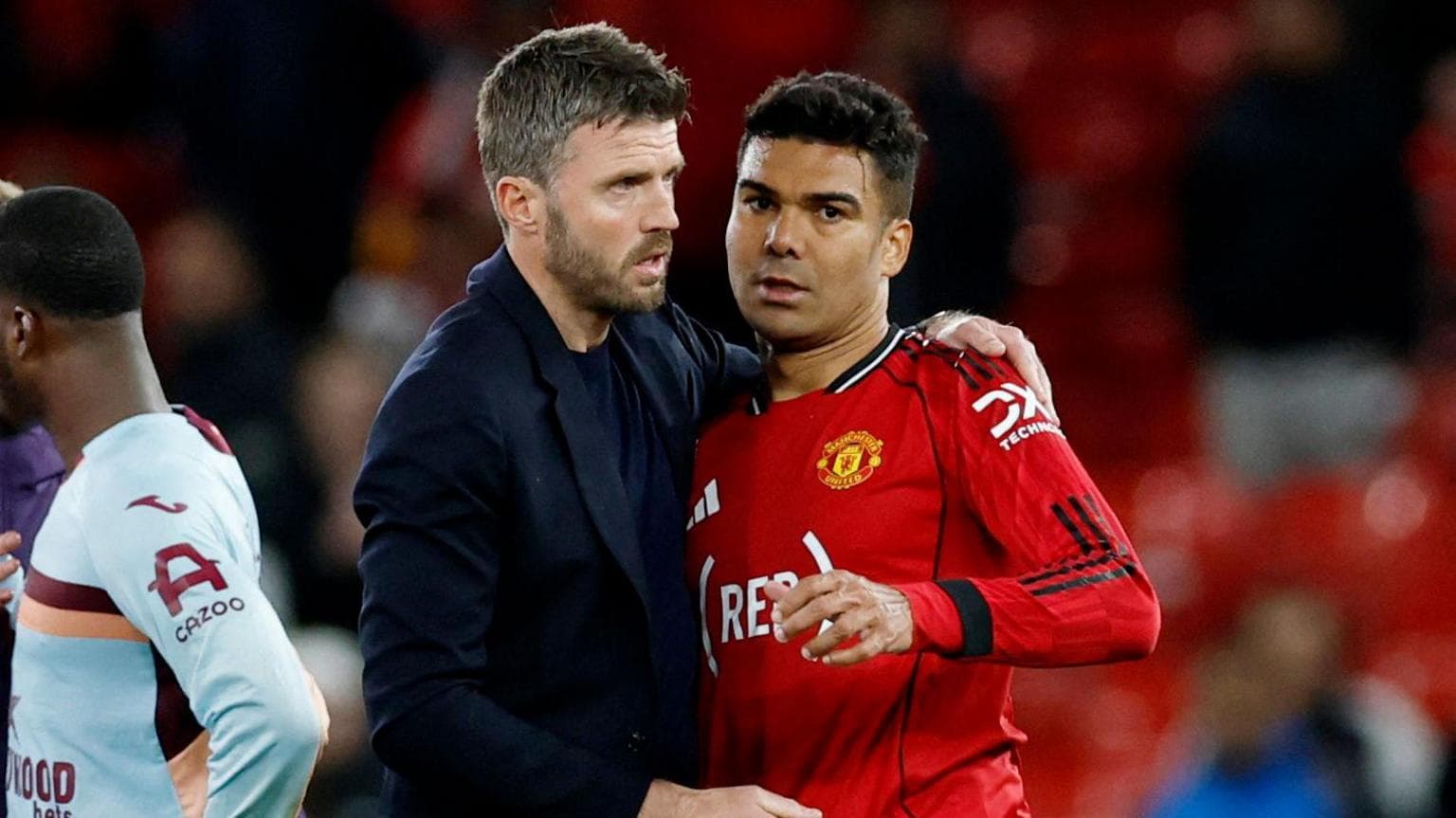
Old Trafford moved within touching distance of the Champions League again as Manchester United beat Brentford 2-1, a result that left the club third in the Premier League on 61 points from 34 matches and on course for a return to Europe’s top competition for the first time since the 2023-24 season.
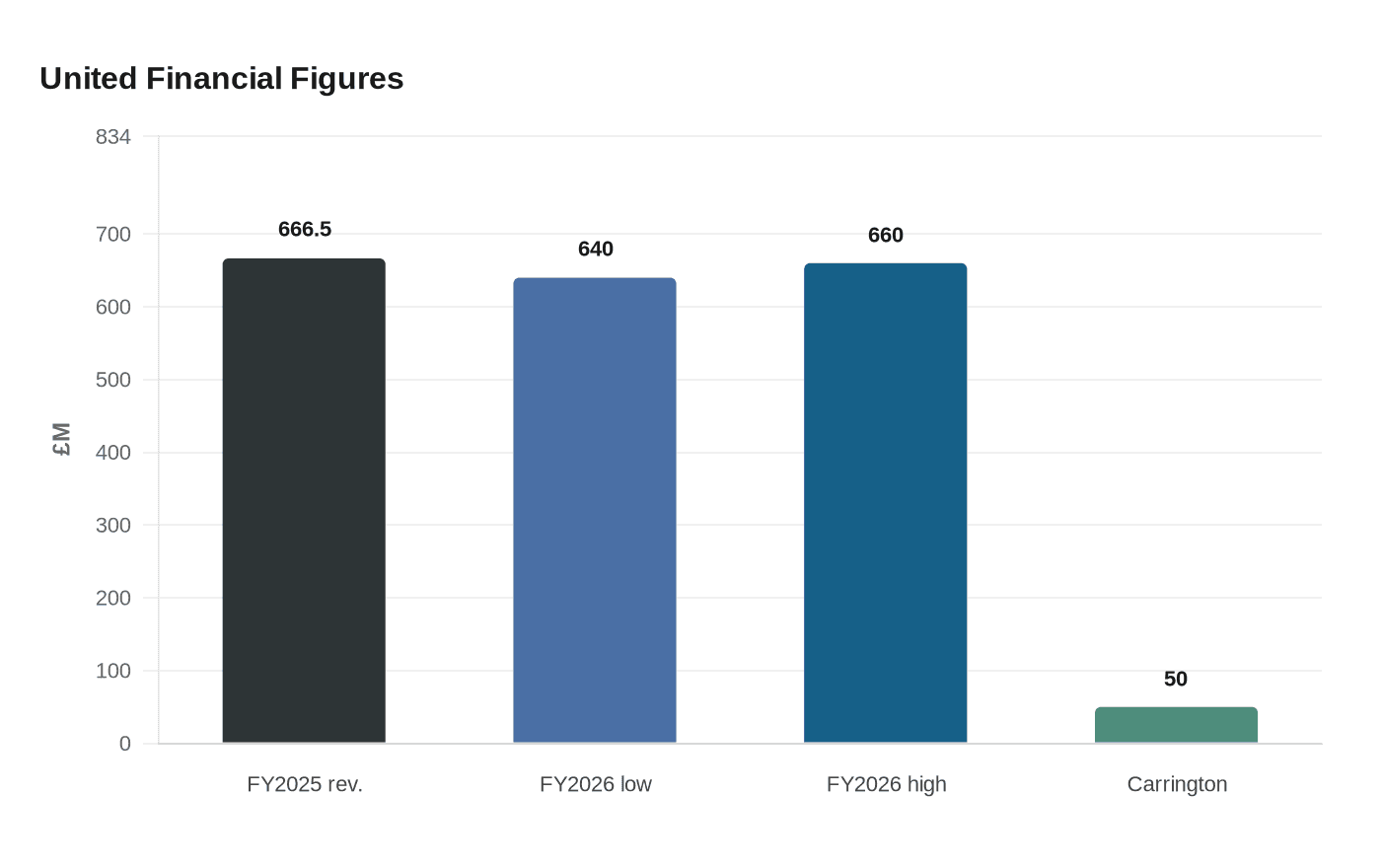
The stakes go far beyond the table. Manchester United’s fiscal 2025 accounts showed record revenue of £666.5 million, but also an operating loss of £18.4 million, underscoring how expensive a season outside the Champions League can be. The club has already guided fiscal 2026 revenue down to £640 million to £660 million, while its men’s first team finished 15th in the Premier League in 2024/25, a collapse that still shadows every decision now being made.
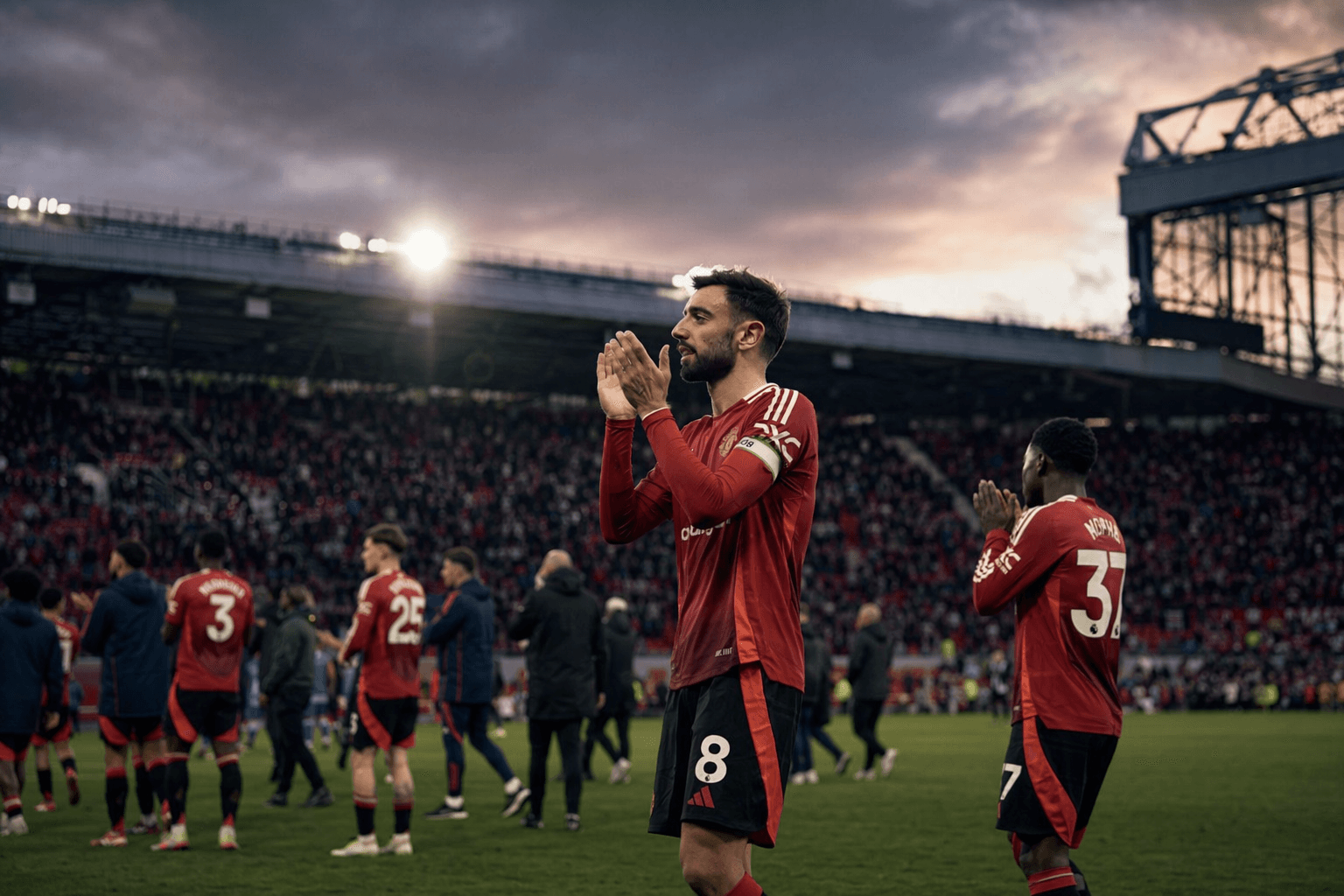
The football side of the reset has been just as stark. Ruben Amorim was sacked in January 2026, and Manchester United appointed Michael Carrick on January 13, 2026, through the end of the 2025/26 season. The club said Carrick was brought in after considering other options and with a clear European qualification target, and his impact has coincided with a marked change in mood around the squad. Against Brentford, Casemiro and Benjamin Sesko struck the first-half goals that put United in control and underlined how quickly results have turned under the interim arrangement.
The Champions League return matters because the Premier League will send its top five into the 2026/27 competition, and England has already benefited from an extra place this season through the route opened by Manchester United and Tottenham Hotspur reaching the Europa League final. For United, qualification would restore access to the highest level of European football and strengthen the club’s hand in a summer that is already being shaped by uncertainty over the permanent manager, recruitment priorities and the wider football structure.
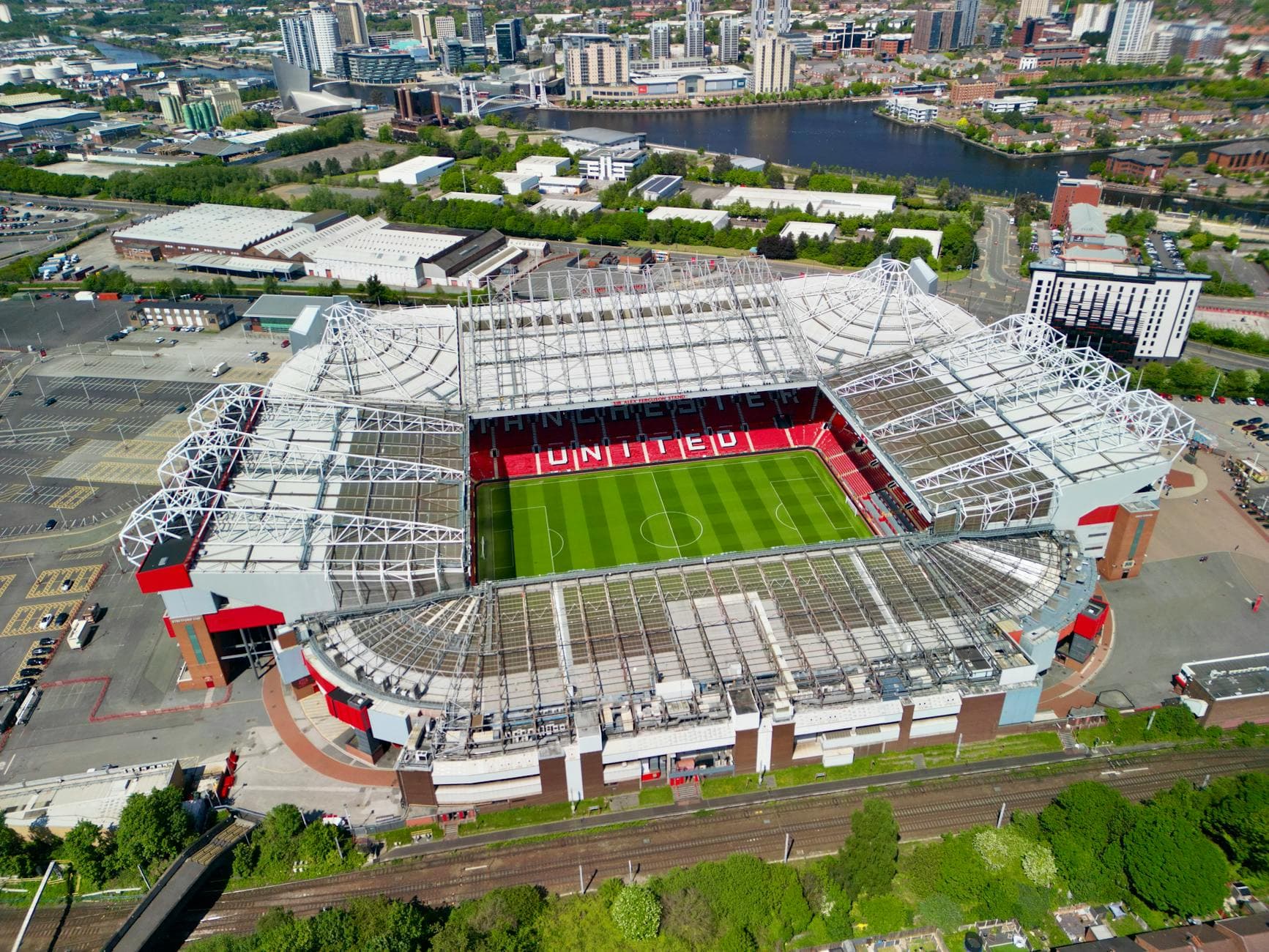
Sir Jim Ratcliffe, who owns 28.94 per cent of the club and controls football operations, has made clear that this period is still a work in progress. He said in March 2025 that there had been “a couple of errors” in his early tenure, and the question now is whether United can correct them with a coherent plan rather than another short-lived fix. The club has already added Matheus Cunha, Diego Leon, Bryan Mbuemo, Benjamin Sesko and Senne Lammens, while also completing a £50 million investment in the Carrington training complex on time and on budget.
United have also tried to present themselves as a club being reshaped for the long term, with management saying the organisation has emerged from structural and leadership change with a more streamlined setup. The next test is harder: turning a likely Champions League return, fresh spending and a new head coach into a durable football model, not just another temporary rise after another deep fall.
This article was produced by Prism’s automated news system from verified source data, official records, and press releases, then run through automated quality and moderation checks before publishing. The system is built and supervised by the people who set the standards it runs under. Read our full AI policy.
Did this article answer your question?
.jpg&w=1920&q=75)