March 2026 Android Patch Fixes 129 Flaws; Mobile Gamers Must Update
Google’s March 2026 Android security bulletin fixes 129 vulnerabilities, including CVE-2026-21385 (Qualcomm display bug affecting 234 chipsets) and CVE-2026-0006 (critical Media Codecs RCE on Android 16).
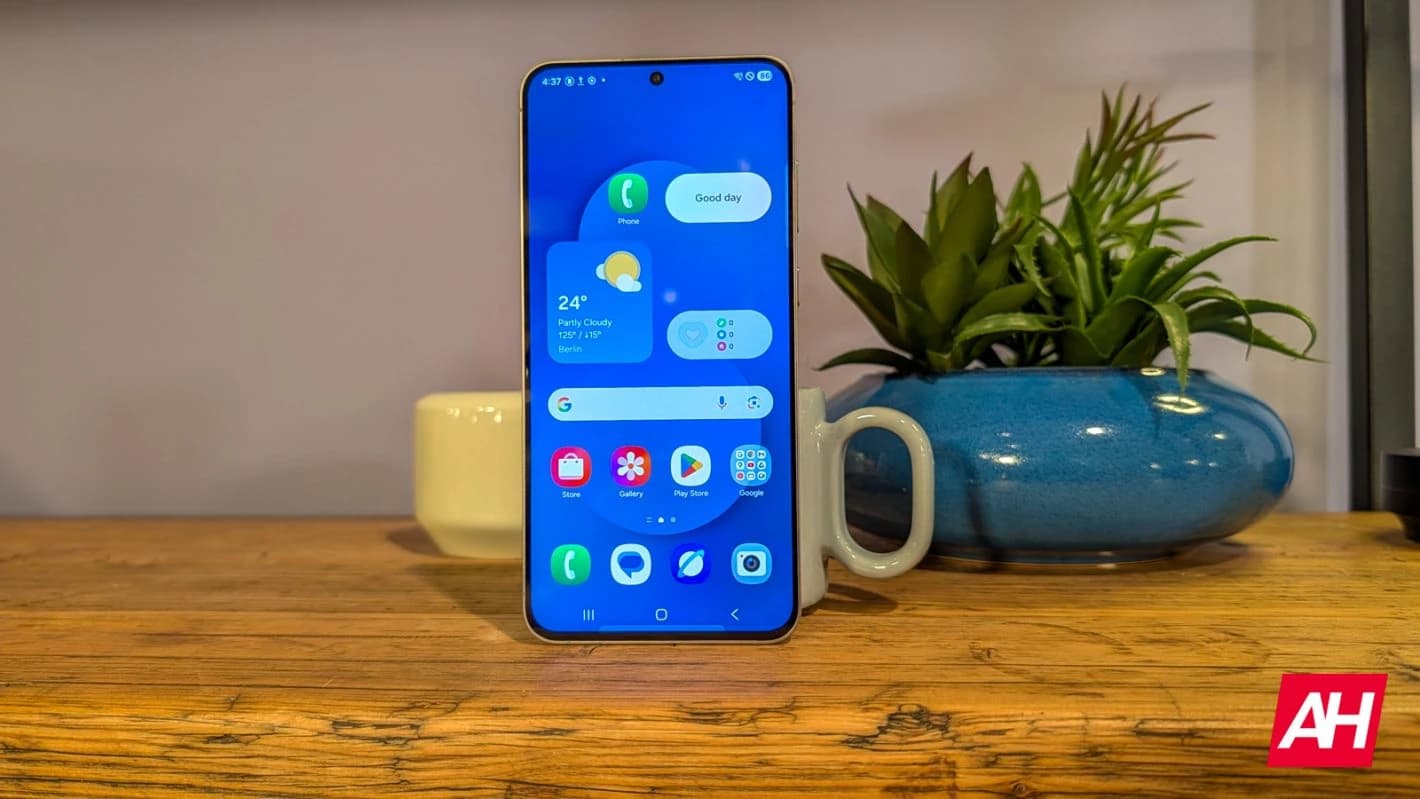
Google’s March 2026 Android Security Bulletin contains 129 vulnerability fixes and carries two security patch levels - 2026-03-01 and 2026-03-05 - meaning devices on patch level 2026-03-05 or later contain every fix listed. The bulletin flags a Qualcomm display memory-corruption issue, CVE-2026-21385, and a critical System-component remote code execution, CVE-2026-0006, that are directly relevant to mobile gamers worried about stability, display drivers, and account safety.
The bulletin uses two patch levels so Android partners can deploy a subset of similar fixes more quickly, and Android’s guidance is explicit: "This bulletin has two security patch levels so that Android partners have the flexibility to fix a subset of vulnerabilities that are similar across all Android devices more quickly. Android partners are encouraged to fix all issues in this bulletin and use the latest security patch level." Partners are also urged to bundle fixes in a single update, a recommendation that affects when a device maker’s build will include these changes.
CVE-2026-21385 lives in a Qualcomm display component and is described in the bulletin as one that "may be under limited, targeted exploitation." Qualcomm’s own table shows the entry as High and references QC-CR#4387106; Qualcomm told customers the issue on Feb. 2, 2026, and Qualcomm says the flaw affects 234 chipsets. Security responders have flagged this as time-sensitive for devices with Qualcomm chips because memory-corruption in display drivers can be triggered without user interaction on some builds.
The most severe System defect in the bulletin is a critical remote code execution that needs no additional execution privileges and no user interaction. Android’s bulletin emphasizes this risk: "The most severe of these issues is a critical security vulnerability in the System component that could lead to remote code execution with no additional execution privileges needed. User interaction is not needed for exploitation." Relatedly, CVE-2026-0006 ties to the Media Codecs Mainline component, affects Android 16, and can be patched via Google Play system updates on eligible devices. A second critical System issue, CVE-2025-48631, is classified as a denial-of-service and affects Android 14, 15, 16, and 16-QPR2.

Kernel and hypervisor fixes occupy a substantial portion of the March bulletin. Multiple pKVM elevation-of-privilege CVEs are listed, including CVE-2026-0037, CVE-2026-0027, CVE-2026-0028, CVE-2026-0030, and CVE-2026-0031, while CVE-2026-0038 affects the Hypervisor. These kernel entries fall under patch level 2026-03-05 and include at least one critical F2FS issue listed as CVE-2024-43859. The Framework component contains the highest volume of flaws in this cycle and includes a critical escalation CVE, CVE-2026-0047, limited to Android 16-QPR2.
Google’s Pixel team has started a phased rollout of the March 2026 update for supported Pixel devices running Android 16. "We have started to roll out the monthly software update for March 2026. All supported Pixel devices running Android 16 will receive these software updates starting today, and the rollout will continue over the next week in phases, depending on carrier and device," the Pixel announcement states. Pixel fixes listed in the support notes include items such as "Fix for an issue that could cause the UI to freeze in certain conditions," telephony stability improvements for temporary loss of cellular service, and display and graphics fixes addressing system crashes and occasional fuzzy or incorrect display behavior.
This month’s 129 defects represent the largest single-month Android patch count since April 2018, and platform hardening remains Google’s stated defense: "Android stops most vulnerability exploitation at the source with extensive platform hardening, like our use of the memory-safe language Rust and advanced anti-exploitation protections," a Google spokesperson said in December. Devices on 2026-03-05 or later include all listed fixes; for Qualcomm-based devices and Android 16 users, prioritize installing OEM or Google Play system updates as they arrive because CVE-2026-21385 and CVE-2026-0006 carry immediate risk profiles and delivery paths that affect gamers’ display stability and platform security.
Know something we missed? Have a correction or additional information?
Submit a Tip