Marilyn Monroe's centenary renews fascination with enduring Hollywood icon
Marilyn Monroe’s 100th birthday shows how her image keeps being sold, remade, and reopened. The centenary spotlights the lasting profit in Hollywood beauty, fame, and reinvention.
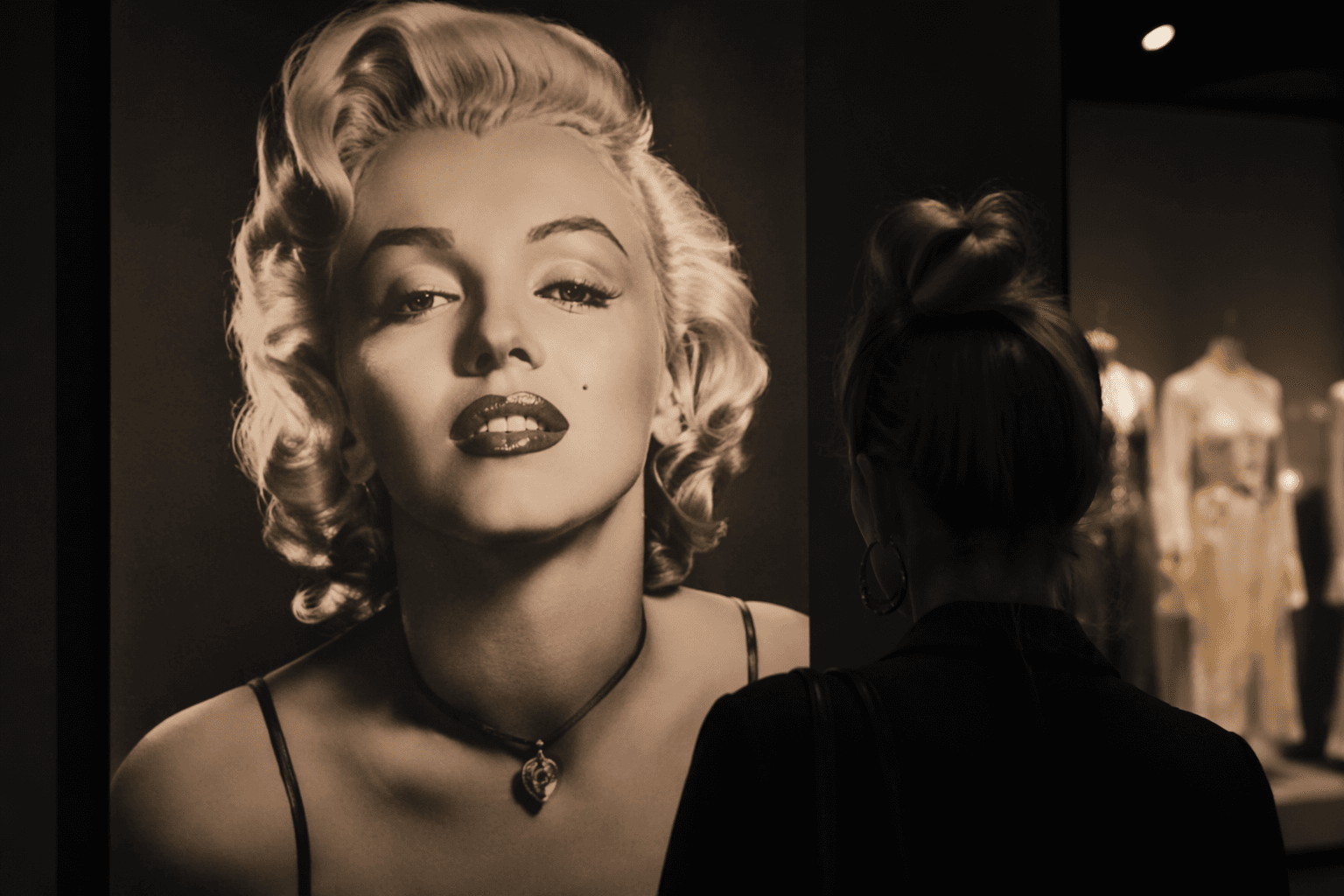
Marilyn Monroe at 100: the image that never stopped circulating
Marilyn Monroe has outlived the era that made her, not as a person but as a public surface. Born Norma Jeane Mortenson in Los Angeles on June 1, 1926, and dead by August 5, 1962 after her death was ruled a probable suicide, she remains one of the most recognizable figures in American pop culture. Britannica describes her as an iconic American actress and a symbol of beauty and glamour, and that is exactly what the centenary keeps confirming: Monroe is still a commercial object, a cultural argument, and a mirror for shifting ideas about femininity.
The 100th anniversary of her birth in 2026 has not simply invited nostalgia. It has renewed attention to how thoroughly Hollywood and the wider marketplace transformed a real woman into a lasting brand, one that can be sold again in each generation with a different emphasis. The fascination endures because Monroe’s image can be recast as fantasy, tragedy, satire, liberation, or cautionary tale, often all at once.
How Hollywood made Monroe legible, then profitable
Monroe’s durability begins with the way she was built into a star. The name change from Norma Jeane Mortenson to Marilyn Monroe was not only a reinvention of identity, it was a lesson in how the entertainment industry packages women for mass consumption. Her blondness, softness, and breathy screen presence became shorthand for a particular kind of American glamour, one that could be marketed endlessly even as the woman behind it remained under pressure from the same system that profited from her image.
That tension matters because Monroe’s fame has never been static. She was celebrated as desirable, but also scrutinized, mocked, and reduced to a stereotype, often by the very culture that depended on her visibility. The public memory built around her has therefore always contained an uncomfortable contradiction: she was presented as the embodiment of glamour while being used to reveal how violently fame can flatten a person into a consumable figure.
The centenary brings that contradiction back into view. Exhibitions, film screenings, and an official centenary book all show that Monroe’s image is still being actively curated rather than merely remembered. Her afterlife is not passive inheritance. It is a continuing business of packaging beauty, sexual charisma, and myth for audiences who may now read those same qualities very differently than viewers did in the 1950s.
Why Some Like It Hot still anchors her legacy
If there is one film that keeps Monroe’s screen legend vivid, it is Billy Wilder’s Some Like It Hot, released in 1959. The screwball comedy is based on the St. Valentine’s Day Massacre of 1929, and the Library of Congress describes its premise through the story of two unemployed musicians who witness the massacre and flee to Miami disguised as women in an all-girl band. Tony Curtis and Jack Lemmon drive the comic disguise plot, while Monroe plays Sugar, the singer whose warmth and vulnerability anchor the film’s emotional appeal.
Monroe did not simply appear in the film. Turner Classic Movies notes that she began campaigning for the part and officially signed on, a reminder that even a star of her scale still had to maneuver for roles in a male-dominated industry. That detail deepens the significance of the performance: Sugar is not just another glamorous character, but a role Monroe fought to secure in a film that would help cement her screen legacy.
The film’s reputation has only strengthened with time. It is widely regarded as one of the best screwball comedies, and Monroe’s performance is central to that durability. She is funny, tender, and knowingly flirtatious, but the character also underscores how Hollywood turned sexuality into both spectacle and labor. The role survives because it captured a precise balance that later generations still recognize, the ability to make desire seem effortless while showing how hard the performance of desirability can be.
What the centenary reveals about modern America
The renewed attention around Monroe says as much about contemporary culture as it does about her. Her image still moves easily between luxury branding, museum display, film nostalgia, and social-media iconography because it represents something modern America has never stopped wanting to buy: the promise that beauty can be perfected, fame can be engineered, and reinvention can erase whatever came before. That promise is seductive, but it is also exploitative, because it depends on turning a person’s vulnerability into a permanent asset.
Monroe’s centenary arrives in a moment when attitudes about fame, sexuality, and exploitation have changed, but not enough to make her irrelevant. If anything, those changes have made her more legible. Contemporary audiences are more likely to see the cost of celebrity, the pressure placed on women to sell both innocence and availability, and the way industries profit from the tension between empowerment and control. Monroe remains compelling because her story sits exactly at that fault line.
That is why exhibitions and screenings still draw attention, and why an official centenary book matters. Together they do more than celebrate a star. They show how Monroe’s image keeps being repackaged for new audiences, each generation assigning fresh meaning to the same face, the same roles, and the same tragic ending. More than six decades after her death, the commercial afterlife of Marilyn Monroe remains one of the clearest examples of how American culture turns celebrity into an enduring product, then calls the recycling memory.
This article was produced by Prism’s automated news system from verified source data, official records, and press releases, then run through automated quality and moderation checks before publishing. The system is built and supervised by the people who set the standards it runs under. Read our full AI policy.
Did this article answer your question?