Markets Reprice Risk as Geopolitics, Weather Disrupt Travel Networks
Global markets opened 2026 with heightened volatility as geopolitical shocks and severe winter weather pushed energy and defence shares higher and disrupted transport networks. Institutional investors say the episode signals a structural shift toward national-security themes, forcing active portfolio management and a focus on critical inputs and liquidity.
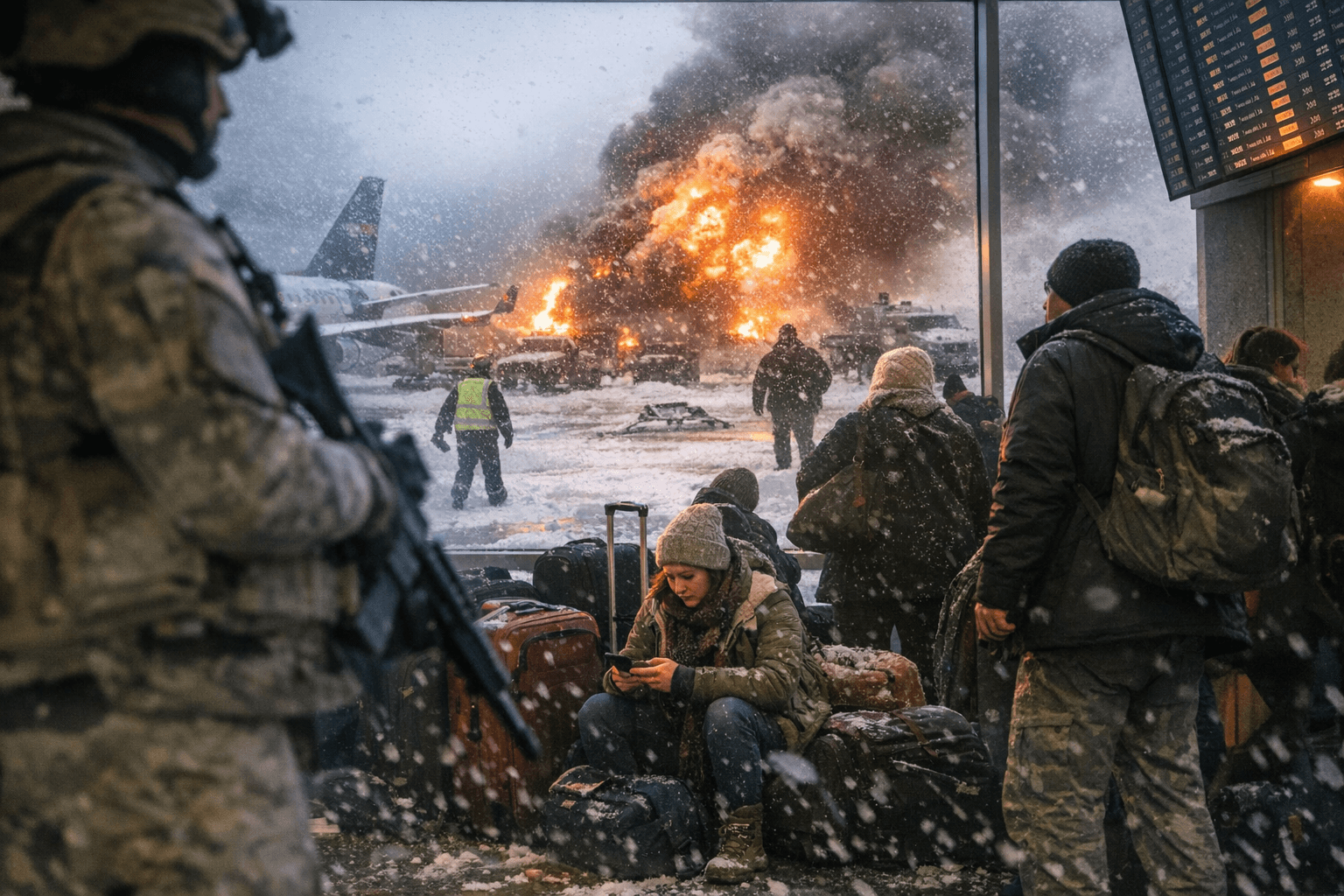
Global markets and transport networks entered 2026 on edge as a wave of geopolitical shocks coincided with severe winter weather, prompting immediate market moves and headaches for travel and logistics. Energy and defence stocks were among the clearest beneficiaries of the risk repricing, rising as investors sought assets perceived to be more resilient to heightened geopolitical uncertainty. At the same time, airlines, ports and road networks experienced disruptions tied to both the geopolitical developments and the storms, tightening capacity and complicating supply chains during the opening trading days.
Asset managers and institutional strategists say the market response goes beyond a short-lived flight to safety. Allianzgi frames the global investment landscape as driven by “a complex interplay of geopolitical tensions, economic readjustments and technological disruption,” calling 2026 “one of contrasts - where optimism and caution coexist.” The firm urges that “Active management is critical. Tight spreads and asymmetric risks demand rigorous credit selection and dynamic allocation,” and it recommends “Diversification across regions,” a tilt to developed-market duration for resilience, and selective use of emerging-market debt for yield enhancement, all supported by strong liquidity and risk controls.
Wellington’s outlook is even more explicit about the thematic consequences. The firm says the year will be defined by a sustained shift toward national security, listing defence and defence-technology innovation, critical minerals and rare earths, biotech, cyber defence, and renewable energy and climate resilience as priority areas for investors. Wellington characterises the geopolitical backdrop as “US-China great power competition, conflicts worldwide, and a fragmented global order,” and concludes bluntly: “Simply put, 2026 will be a long way from Goldilocks, and prudent investors should respond accordingly.”
There is broad agreement among market participants that policy, not just macro data, will increasingly drive asset prices. Higher defence budgets, expanded industrial policy to secure critical inputs, and the more frequent use of tariffs and trade tools are expected to channel capital into industries perceived as strategic. That policy tilt amplifies longer-term secular themes already underway, from the energy transition and semiconductor resilience to the commercialisation of defence-related technologies such as AI and space-enabled systems.
For markets, the combination of policy-driven demand and episodic risk events raises two central implications. First, volatility is likely to be persistent as investors adjust to asymmetric, politically driven shocks that are harder to model with traditional macro indicators. Second, liquidity and credit selection will matter more. Allianzgi’s emphasis on tight spreads and Wellington’s focus on thematic, long-duration opportunities point to different tactical answers but a shared strategic message: active, differentiated positioning is essential.
Travel and transport systems will remain a barometer of disruption. Capacity constraints and weather shocks can propagate through supply chains and corporate earnings, reinforcing the market signals tied to national-security spending and critical-supply resilience. As 2026 progresses, investors and policymakers alike will be watching whether elevated defence spending and industrial-policy moves become sustained trends that reshape capital allocation for years to come.
This article was produced by Prism’s automated news system from verified source data, official records, and press releases, then run through automated quality and moderation checks before publishing. The system is built and supervised by the people who set the standards it runs under. Read our full AI policy.
Did this article answer your question?