Marks Community Park Revitalization Aims to Restore Cultural Gateway
The City of Marks and community partners are advancing a revitalization of Marks Community Park at the intersection of Highways 3 and 6 to restore the site as a gateway to the city, and to honor its role in civil rights history. The project aims to improve recreation and tourism, strengthen community pride, and engage residents in planning that could also affect local health, equity, and economic opportunities.
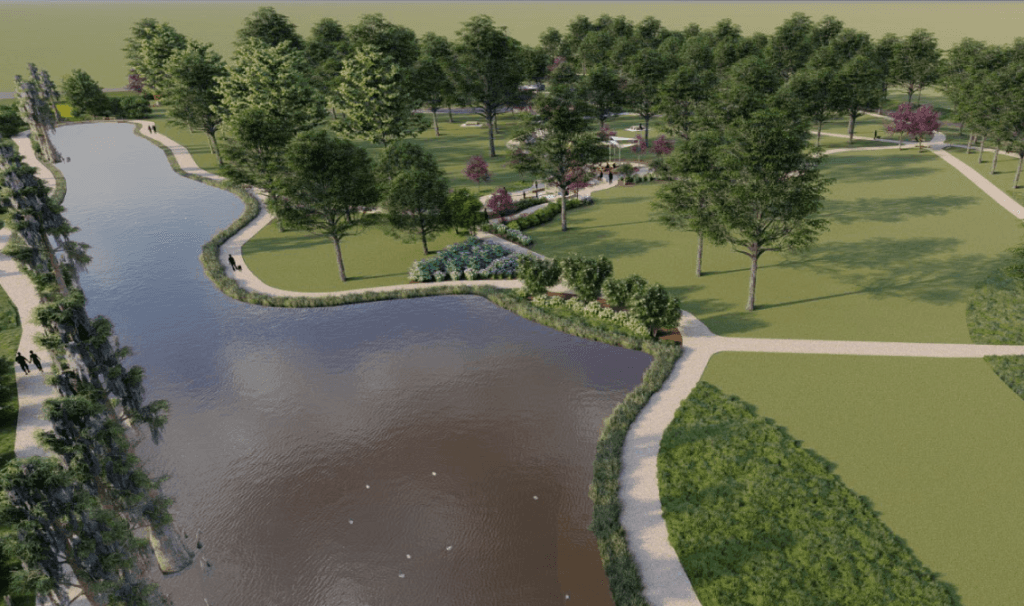
Marks Community Park is the focus of an ongoing revitalization effort designed to restore a historic public space and foreground its cultural and civil rights significance. Located at the intersection of Highways 3 and 6, the park is being positioned as a gateway to the City of Marks and as a community asset for residents and visitors. Project materials note the site was the final stop before the 1968 Mule Train, an event linked to the Poor People s Campaign. The initiative is advancing conceptual planning and stakeholder engagement to shape improvements in recreation, tourism, and civic life.
The project team is working with local stakeholders to craft a vision that balances preservation and new uses. Planners describe goals of highlighting the park s history while creating amenities that foster daily use, community gatherings, and visitor interpretation. For Quitman County residents this could mean safer places to walk and play, more opportunities for outdoor activity, and spaces for cultural programming that center local stories and pride.
Public health and social equity are central to the park s potential impact. Well designed parks can increase physical activity, reduce stress, and provide safe places for children and elders, outcomes that are especially important in rural communities with limited recreational infrastructure. By intentionally interpreting the park s civil rights history, the project offers a chance to address historic omissions and to broaden whose stories are recognized in public spaces.

Economic and civic effects are also part of the planning rationale. Revitalizing a prominent gateway can support small business activity, attract visitors curious about civil rights history, and strengthen community cohesion that underpins local resilience. Achieving those outcomes will require coordinated investment and policy support from municipal leaders, county agencies, and community partners to secure funding, maintenance, and long term stewardship.
As planning continues, residents will have opportunities to weigh in on design choices and programming. The effort represents more than a landscape project. It is an attempt to reclaim public space for health, memory, and shared economic benefit in Quitman County.
Sources:
Know something we missed? Have a correction or additional information?
Submit a Tip