Marks Residents, Farmworkers Joined SCLC-Led Poor People's Campaign in 1968
Marks residents, farmworkers and faith communities joined the SCLC's Poor People's Campaign led by Dr. Martin Luther King Jr. in 1968, linking Quitman County to a national anti-poverty effort.
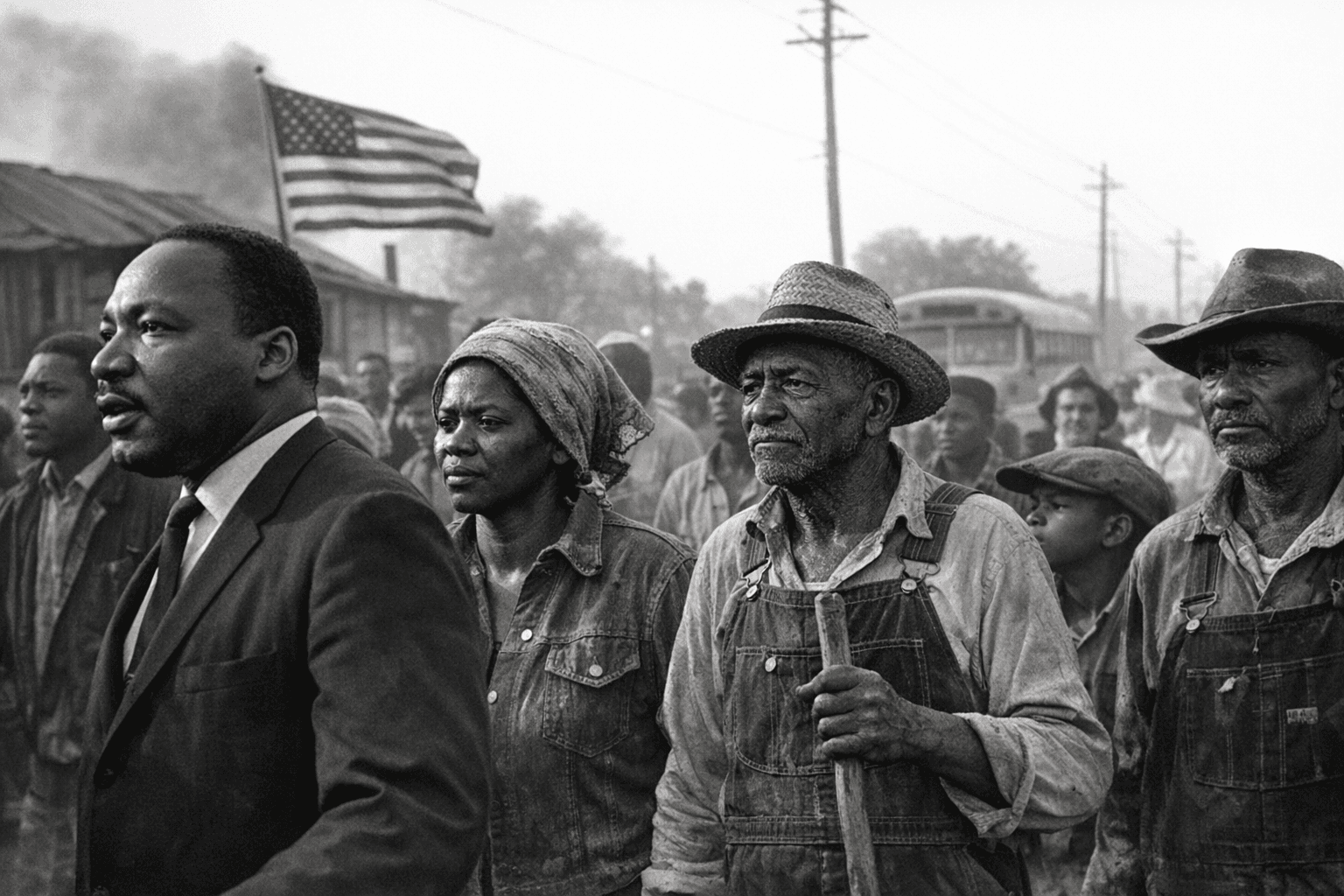
Marks residents joined organizers from the Southern Christian Leadership Conference in 1968 as the Poor People’s Campaign, led by Dr. Martin Luther King Jr., sought to put economic justice for the poor on the national agenda. Local participation included Quitman County farmworkers, families, civic leaders and faith communities who aligned with the SCLC’s calls for change.
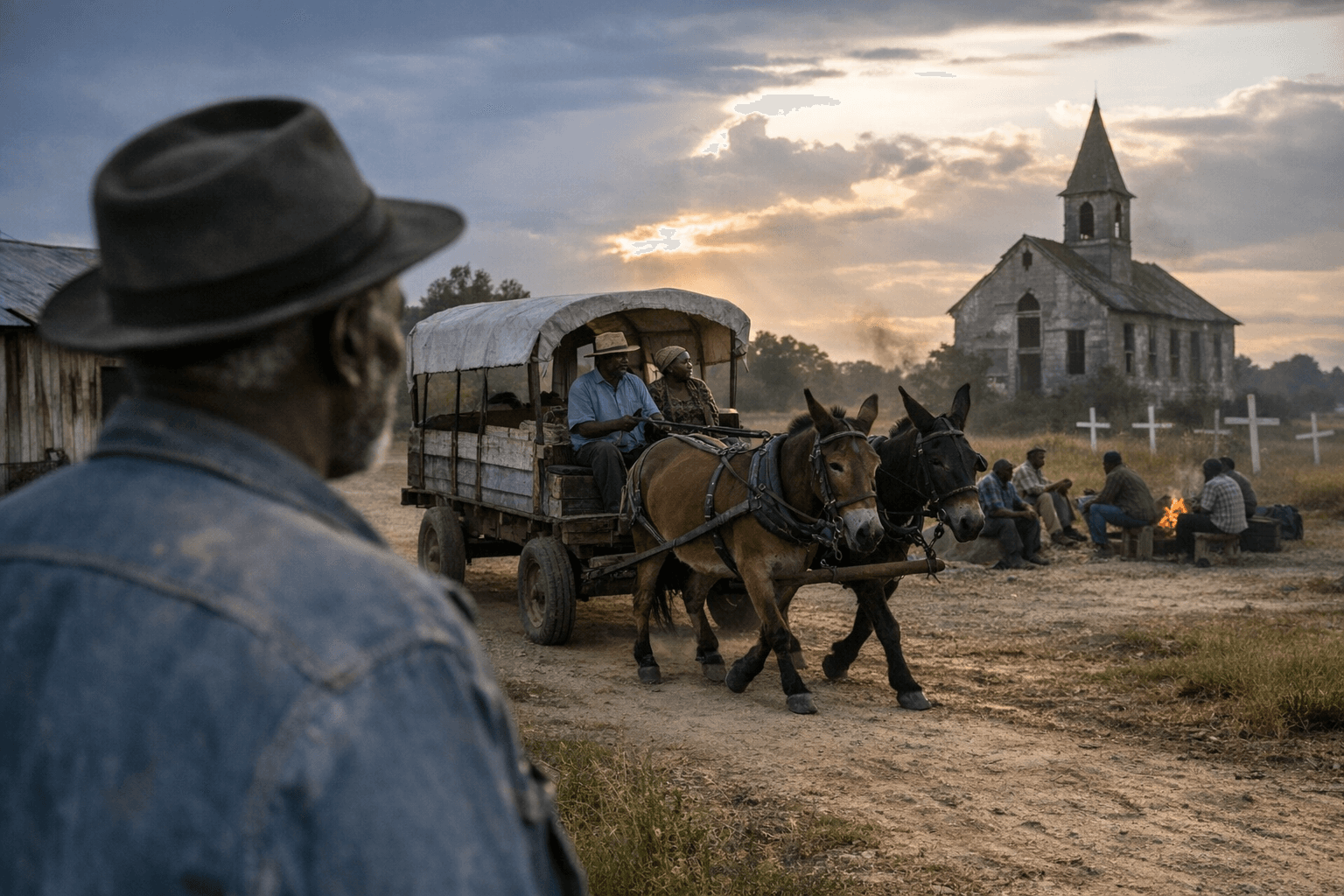
Farmworkers from fields around Marks brought local conditions into the campaign’s spotlight in 1968, connecting seasonal labor and low pay in Quitman County to a broader struggle against entrenched poverty. Families who joined the movement showed how household insecurity in Marks was not only an economic issue but a community health concern tied to access to care and stable incomes.
Civic leaders and faith communities in Marks mobilized around the Poor People’s Campaign in 1968, translating national organizing into local action. Churches and civic organizations in Quitman County provided meeting spaces and networks that helped farmworkers and families coordinate travel and representation with SCLC organizers, reinforcing long-standing local traditions of faith-based advocacy.
Public health implications of Marks’ participation in 1968 remain relevant. The Poor People’s Campaign framed poverty as a root cause of poor health, and Quitman County residents who took part represented populations more likely to face limited access to medical services, occupational hazards in agriculture, and financial barriers to care. That linkage pushes local health discussions beyond clinics to include jobs, wages and housing stability for families in Marks.
Policy and social equity debates in Quitman County continue to echo the campaign’s aims from 1968. The involvement of Marks farmworkers and civic leaders under Dr. Martin Luther King Jr.’s SCLC highlighted structural causes of poverty that local policymakers and service providers must still address when designing programs for Quitman County residents.
The memory of Marks’ role in the Poor People’s Campaign of 1968 provides a concrete touchstone for current community organizers and public health advocates in Quitman County. By grounding present-day conversations about healthcare access and economic opportunity in the specific history of farmworker and faith-community participation, Marks keeps a 1968 demand for dignity and basic needs alive in local policy discussions.
Sources:
Know something we missed? Have a correction or additional information?
Submit a Tip