Mary-Dell Chilton, pioneer whose work sparked modern agricultural biotechnology
Mary-Dell Chilton, who died at 87, turned a soil bacterium into a tool for engineering crops that now shape debates over food security and seed power.
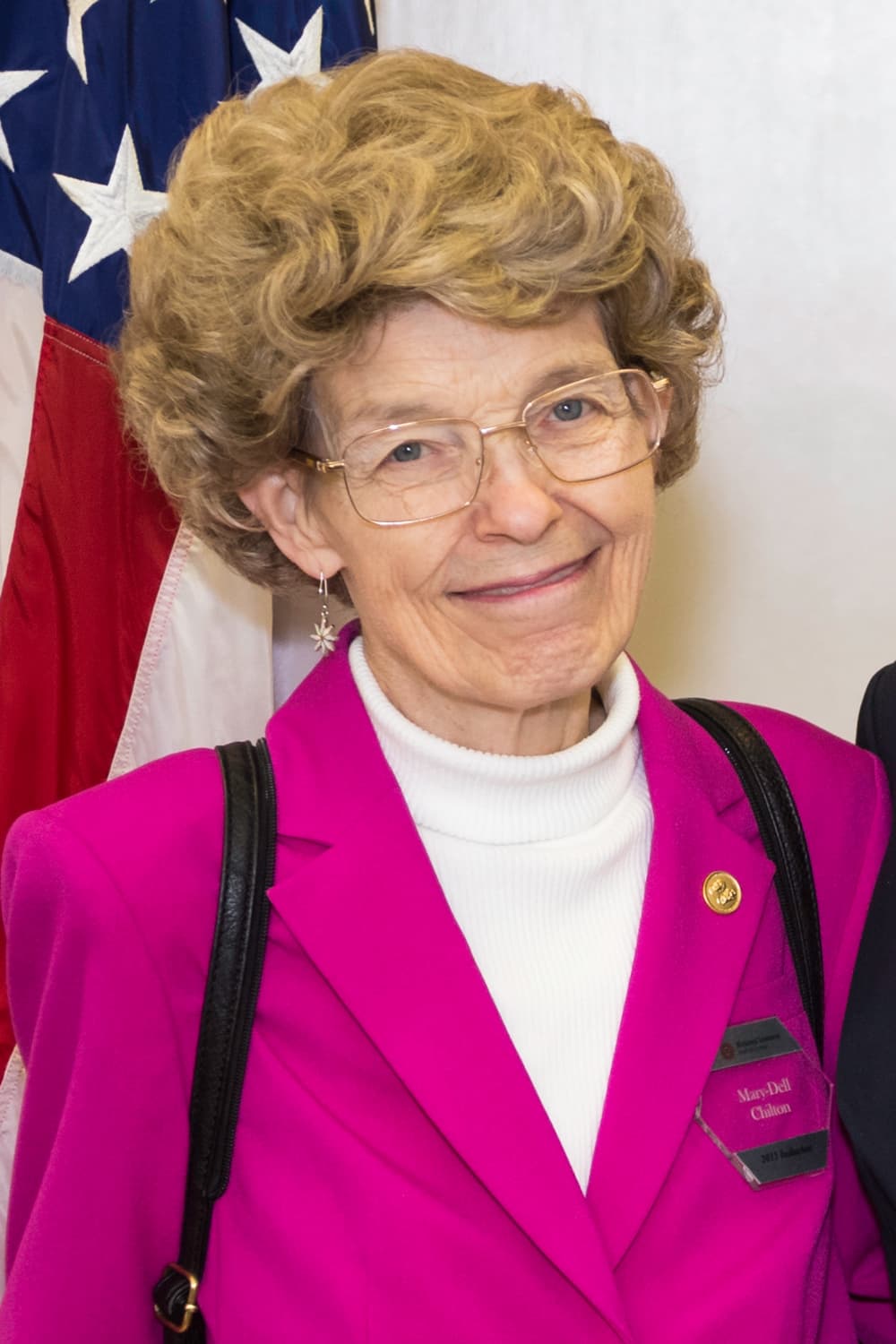
Mary-Dell Chilton, whose experiments with Agrobacterium tumefaciens helped launch modern agricultural biotechnology, died on June 24, 2026, at age 87.
Chilton earned both her bachelor’s degree and doctorate in chemistry from the University of Illinois Urbana-Champaign and was a finalist in the Westinghouse Science Talent Search as a teenager. In 1977, while at the University of Washington in Seattle, she showed that the rod-shaped Gram-negative soil bacterium Agrobacterium tumefaciens was transferring a small piece of its Ti plasmid DNA into plant cells, where it became part of the plant genome. The discovery let plant scientists move genes deliberately.
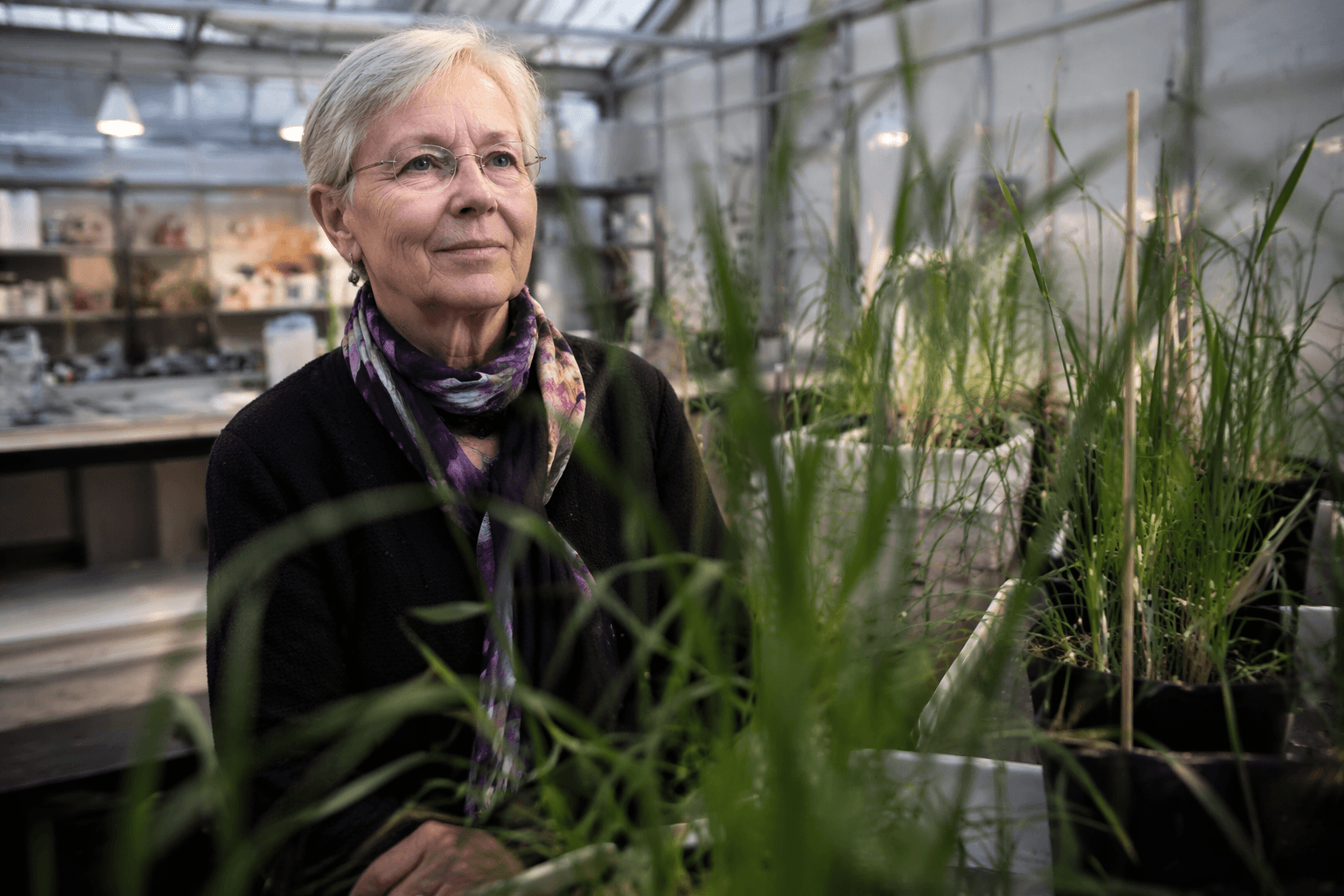
She later worked at Washington University in St. Louis, where she helped produce the first transgenic tobacco plant in the early 1980s. Agrobacterium-mediated transformation became one of the core techniques in plant biotechnology. The method enabled crops designed for resistance to insects and disease, tolerance to herbicides, and better survival in heat and drought, traits that became commercially important as agriculture faced pressure from pests, weather volatility and rising demand.
By 2012, genetically enhanced crops were being grown on more than 170 million hectares by more than 17 million farmers. More than 90 percent of those farmers were small resource-poor farmers in developing countries. At the same time, the technology helped fuel hardening debate over whether genetically modified crops improve food security or deepen dependence on patented seeds, chemical inputs and large agribusiness firms.
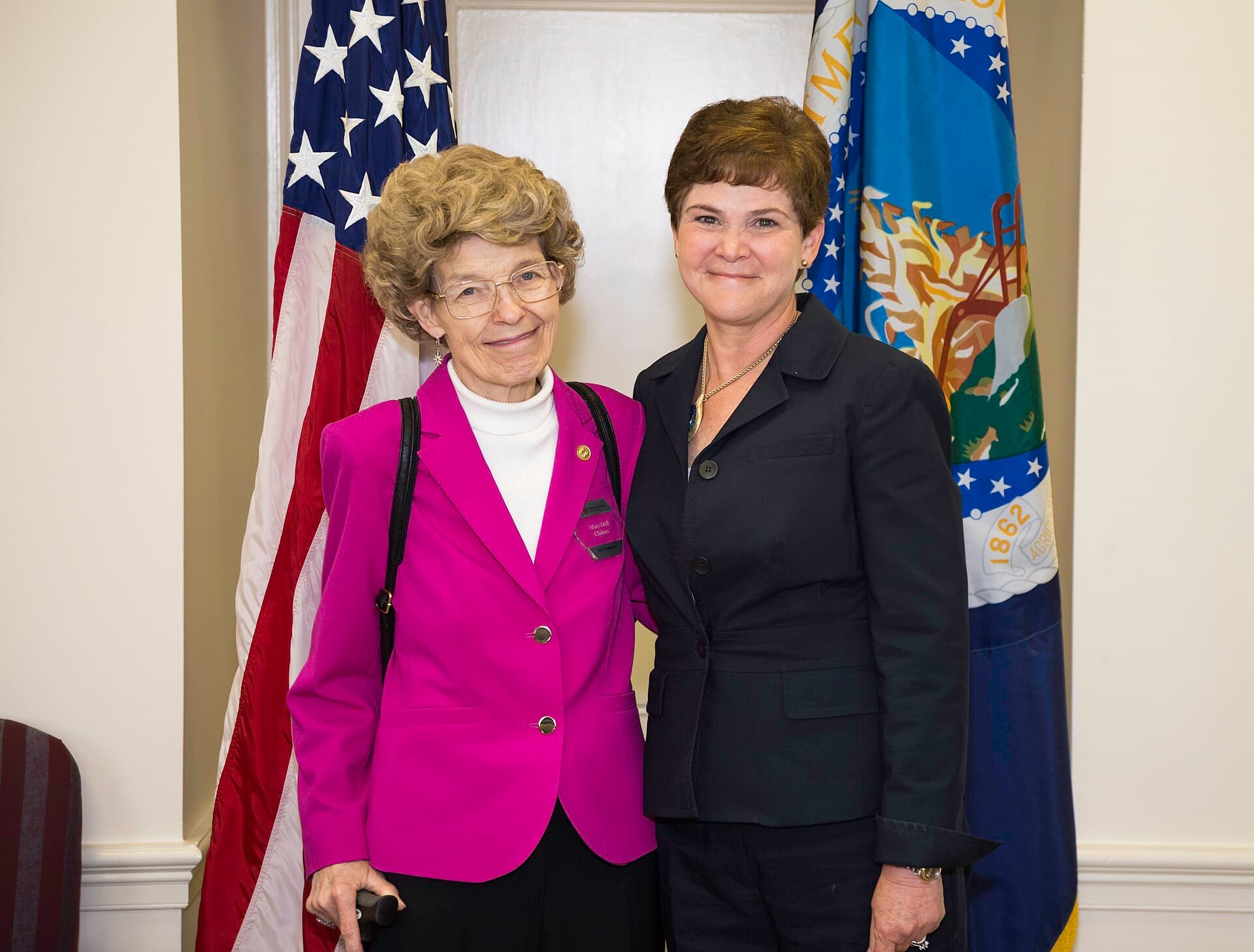
Chilton joined Ciba-Geigy in Research Triangle Park, North Carolina, in 1983, and she helped build the company’s first biotechnology research lab in 1984. In 1996, Ciba-Geigy, later Syngenta, became the first company to commercialize a GM trait in corn. Her honors included the 2013 World Food Prize, shared with Marc Van Montagu and Robert Fraley, the 2002 Benjamin Franklin Medal in Life Sciences, and induction into the National Inventors Hall of Fame.
This article was produced by Prism’s automated news system from verified source data, official records, and press releases, then run through automated quality and moderation checks before publishing. The system is built and supervised by the people who set the standards it runs under. Read our full AI policy.
Did this article answer your question?