Maryland GOP frames $1.5 billion shortfall as spending test
Maryland Republicans framed a roughly $1.5 billion budget shortfall as a push for spending restraint; Democrats warned cuts would harm vulnerable Baltimore residents.
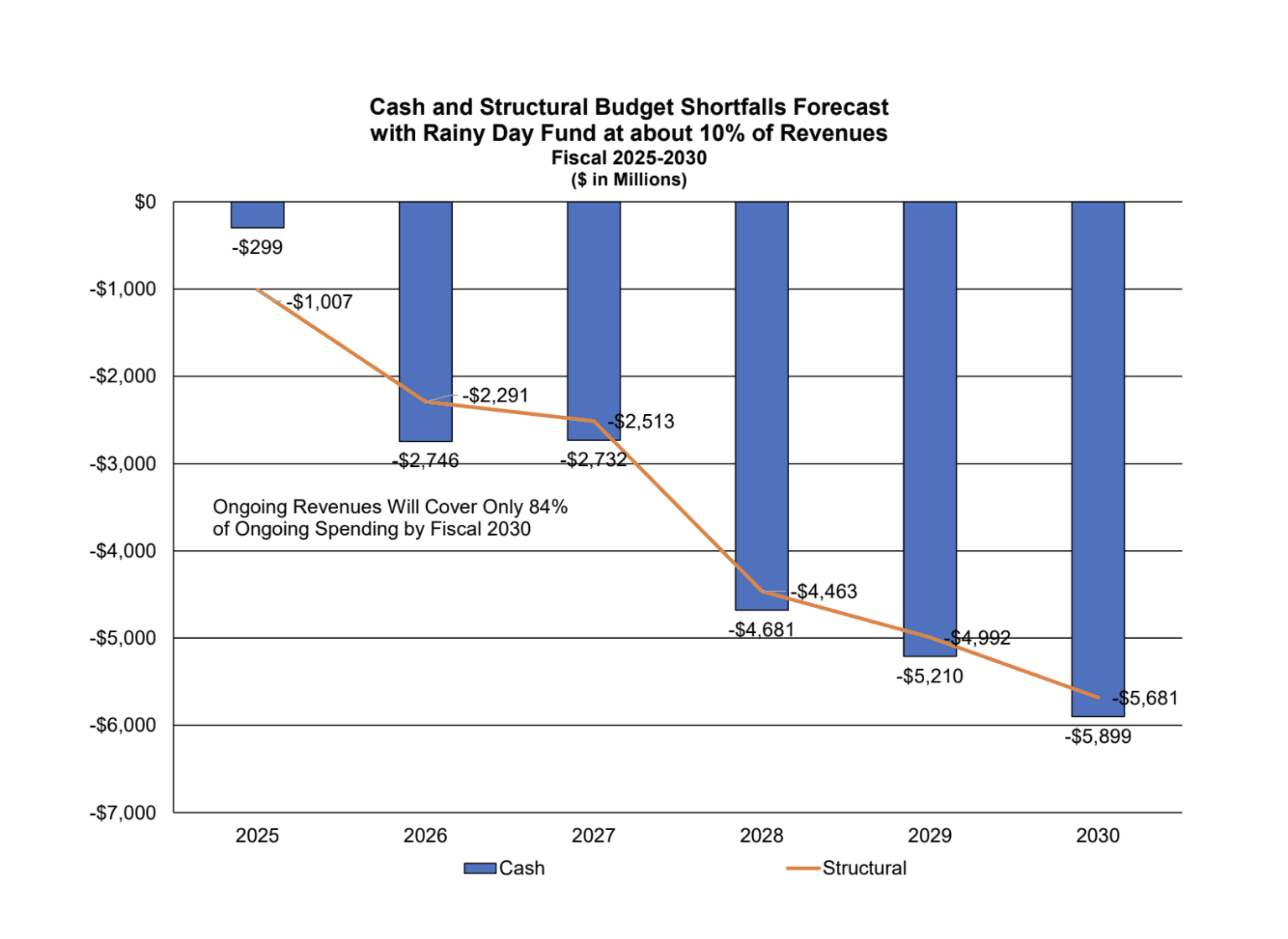
Maryland Republicans used the General Assembly’s opening to cast a roughly $1.5 billion state budget shortfall as an opportunity to press for tighter spending and rollbacks of what they labeled unfunded mandates. Lawmakers advanced competing approaches as the legislature convened on January 12, setting the stage for a contentious budget season that will affect Baltimore City services and local aid.
GOP leaders urged reductions across state programs, arguing that past growth in spending created structural pressure on the budget. They singled out mandates that require state funding for programs administered at the local level, saying those obligations should be pared back to ease the shortfall. Democrats pushed back, warning that steep cuts now would hit education, behavioral health services and local government aid, three priority areas already identified by both sides as central to the debate.
The partisan clash plays out against a political reality that limits the GOP’s leverage. Democrats hold decisive majorities in the General Assembly, meaning any final budget will reflect negotiations within the Democratic caucus as much as pushback from the minority. That dynamic suggests the outcome will be shaped more by intraparty trade-offs and where Democratic leaders choose to protect programs than by unilateral Republican demands.
For Baltimore City residents the stakes are concrete. Education funding and behavioral health services are central to city budgets and daily life: school staffing, special education services, mental health referrals and community-based behavioral programs all rely on predictable state support. Local aid formulas and categorical grants from the state help Baltimore City balance municipal services and capital projects. Reductions or delays in that funding could force City Hall to seek cuts, tap reserves or raise revenues at a time when many households remain economically stretched.
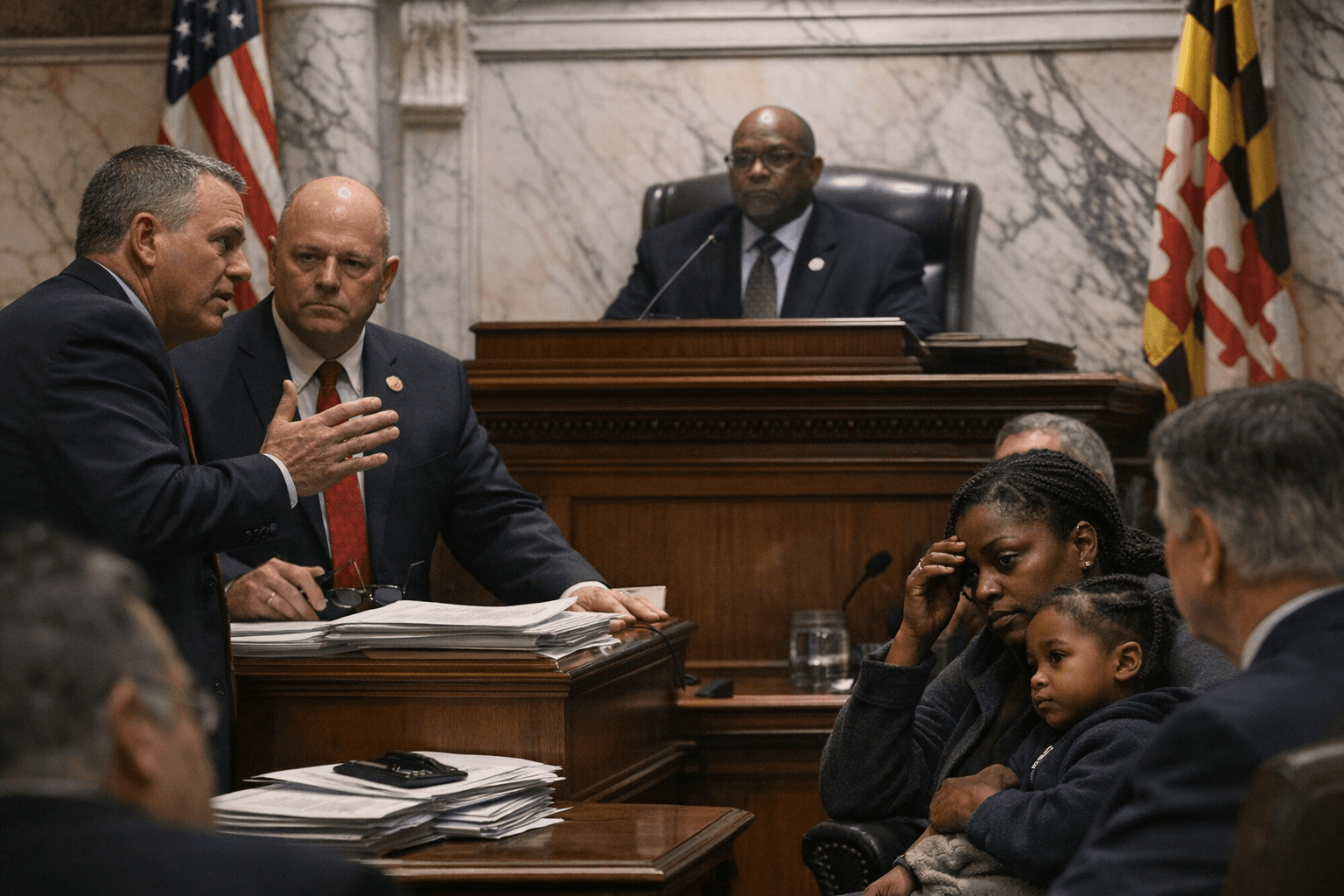
The budget debate will unfold over weeks of hearings, fiscal notes and committee negotiations. Lawmakers must reconcile revenue forecasts with spending priorities before final appropriation votes. Given the margin Democrats hold, much of the bargaining will center on which programs to shield and which to trim within the party’s majority.
Baltimoreans should watch proposals affecting school funding, behavioral health allocations and direct municipal aid as the session progresses. The decisions made in Annapolis this winter will shape services in Charm City for the coming year and signal how state leaders balance fiscal restraint with commitments to vulnerable residents.
Sources:
Know something we missed? Have a correction or additional information?
Submit a Tip

