Maryland Justice Partnership launched to reduce mass incarceration
Public defender Natasha Dartigue launched a statewide effort to implement equity-focused criminal justice reforms timed with the General Assembly. Baltimore residents may see changes to policing, mental health response, and parole.
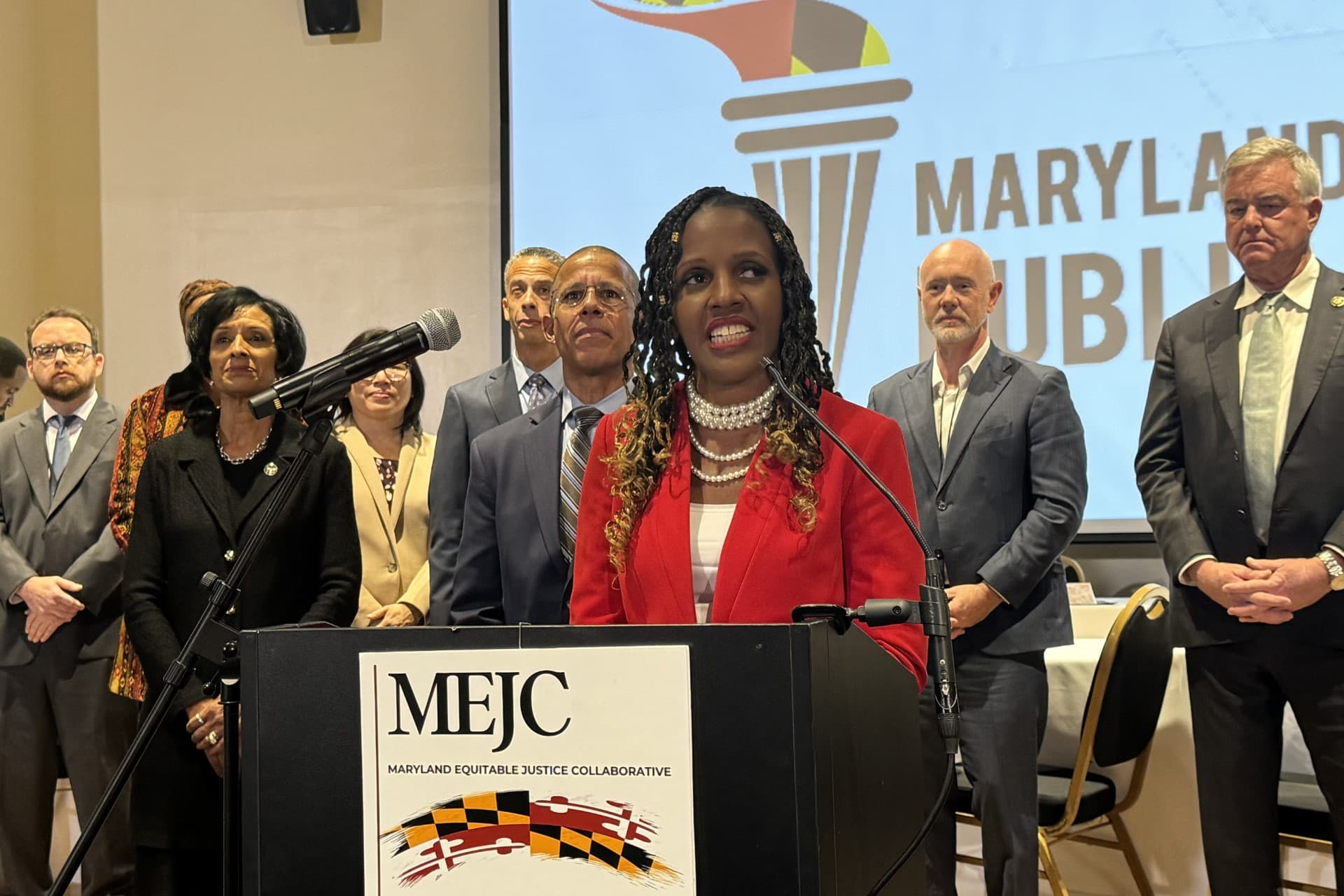
Maryland’s public defender announced the formation of the Maryland Justice Partnership on January 12, a statewide implementation effort led by the public defender’s office to carry forward recommendations aimed at reducing mass incarceration and improving equity in the criminal legal system. The launch is intended as sustained, community-centered implementation rather than a short-term task force and was timed to coincide with the opening of the Maryland General Assembly to synchronize policy work with potential legislation.
The partnership will put recommendations from the Maryland Equitable Justice Collaborative into practice through six implementation hubs: community safety and crisis response; pretrial justice and diversion; behavioral health justice; fair sentencing and parole reform; community reintegration and stability; and youth justice and educational equity. Organizers say the hubs will translate high-level recommendations into coordinated local action, with an emphasis on reducing excessive police contact, expanding mental health services for people in crisis, and improving parole outcomes.
For Baltimore residents, the hubs speak directly to persistent challenges in the city: frequent police interactions, limited crisis mental health capacity, high rates of people cycling through jail and prison, and barriers to stable housing and employment after release. A focus on community safety and crisis response could mean expanded alternatives to arrest for people in behavioral health emergencies, while pretrial justice and diversion work aims to lower reliance on detention before trial. Fair sentencing and parole reform work seeks to improve outcomes for people returning to neighborhoods across the city and reduce recidivism by addressing the conditions that feed it.
The public defender’s office will lead the statewide coordination, but the effort centers on community engagement and implementation at the local level. That approach is intended to build sustained partnerships with community organizations, service providers, and local officials so reforms move beyond planning into measurable change. Timing the announcement with the General Assembly session also signals an intent to pair grassroots implementation with legislative change, potentially shaping bills that address pretrial detention, crisis response funding, and parole policy.
For Baltimore this will be a test of how statewide frameworks translate into neighborhood realities, from West Baltimore blocks grappling with reentry challenges to East Baltimore schools where youth justice and educational equity initiatives could alter school-to-prison pipeline dynamics. Residents can expect to see proposals and pilot efforts roll out in the months ahead, along with opportunities for local groups to weigh in on how hubs operate on the ground.
What comes next is coordination between the public defender’s office, community partners, and lawmakers in Annapolis. If the partnership sustains momentum, Baltimore could see reduced jail populations, more community-based crisis responses, and expanded supports for people returning home — changes that would affect public safety, family stability, and economic opportunity across the city.
Sources:
Know something we missed? Have a correction or additional information?
Submit a Tip