Maryland lawmakers demand answers after 32,000-gallon Andrews fuel spill
A 32,000-gallon jet fuel leak at Joint Base Andrews went unreported to Maryland for weeks, intensifying fears for Piscataway Creek and the Potomac watershed.
Maryland lawmakers are pressing the Air Force for answers after roughly 32,000 gallons of jet fuel leaked at Joint Base Andrews, the Maryland base that houses Air Force One, and went unreported to the state for weeks. The spill unfolded over a series of months, beginning after the base failed a leak safety test in early December and continuing through January and February, when about 10,000 gallons were lost before state officials were notified on March 23.
The delay has sharpened the dispute around who knew what, and when. Maryland inspection documents said the state was first alerted only after someone spotted oil on Piscataway Creek and smelled petroleum nearby. By then, the contamination had already moved toward the Potomac River watershed, raising concerns that extended beyond the perimeter of the base and into a water system that serves communities downstream.
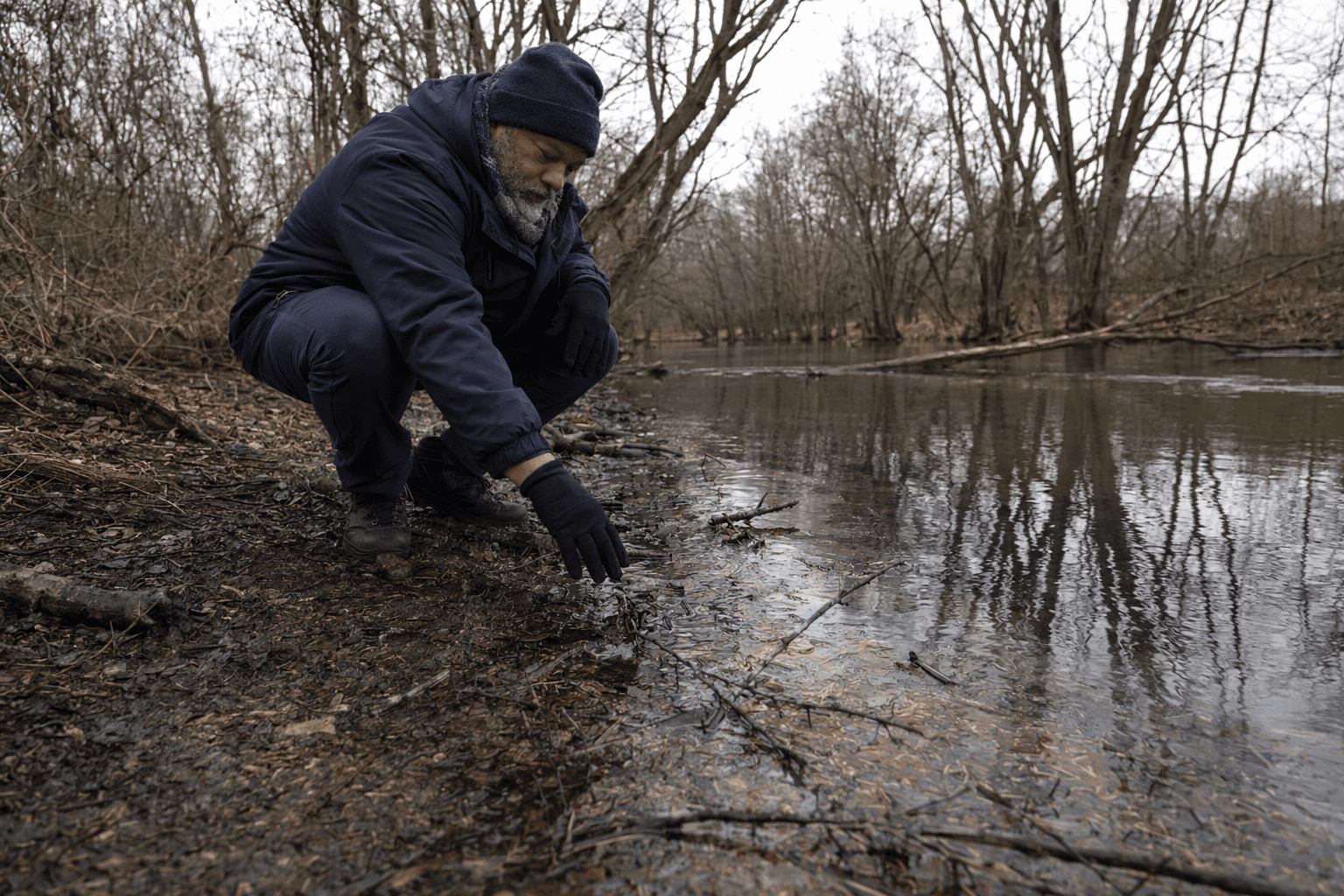
State officials say the reporting gap matters because Maryland regulations require immediate disclosure of spills. Adam Ortiz, Maryland’s deputy secretary of the environment, said, “There's an equation with a lot of blank spaces” and stressed that people are supposed to report spills immediately. Inspectors were more blunt, writing that efforts to control, contain and clean up the release had been “minimal and insufficient,” with deadlines already past due.
The base said it discovered the problem, notified state and federal authorities, deployed absorbent devices and environmental teams, and installed protective measures including booms and underflow dams. But the scale of the leak, and the lag in disclosure, has turned a fuel-infrastructure failure into a broader test of federal transparency and state oversight at one of the country’s most sensitive military installations.
That scrutiny is especially intense because Piscataway Creek had already been burdened by earlier pollution, including PFAS contamination, before the fuel leak added another threat. Maryland lawmakers are now asking for a full accounting of when the spill was first detected, how much fuel escaped, what remediation has been completed and how future notifications will be handled. The unanswered questions now center not just on the spill itself, but on whether the cleanup and disclosure matched the scale of a release large enough to threaten water, soil and nearby residents around the base.
This article was produced by Prism’s automated news system from verified source data, official records, and press releases, then run through automated quality and moderation checks before publishing. The system is built and supervised by the people who set the standards it runs under. Read our full AI policy.
Did this article answer your question?

