Maryland sexual assault case spotlights risks facing disabled people
A legally blind Maryland woman was raped while under 24/7 care, and advocates say the case exposes dangerous gaps in disability oversight and reporting.

A case that should never have reached this point
Kamryn Jones is 25, legally blind, and could barely speak. She was living in a Maryland group home when doctors later determined she was seven months pregnant, a discovery that her family says revealed she had been raped. The lawsuit now targets the group home, caregivers, and state agencies, turning one woman’s ordeal into a broader test of whether the systems meant to protect disabled people are working at all.
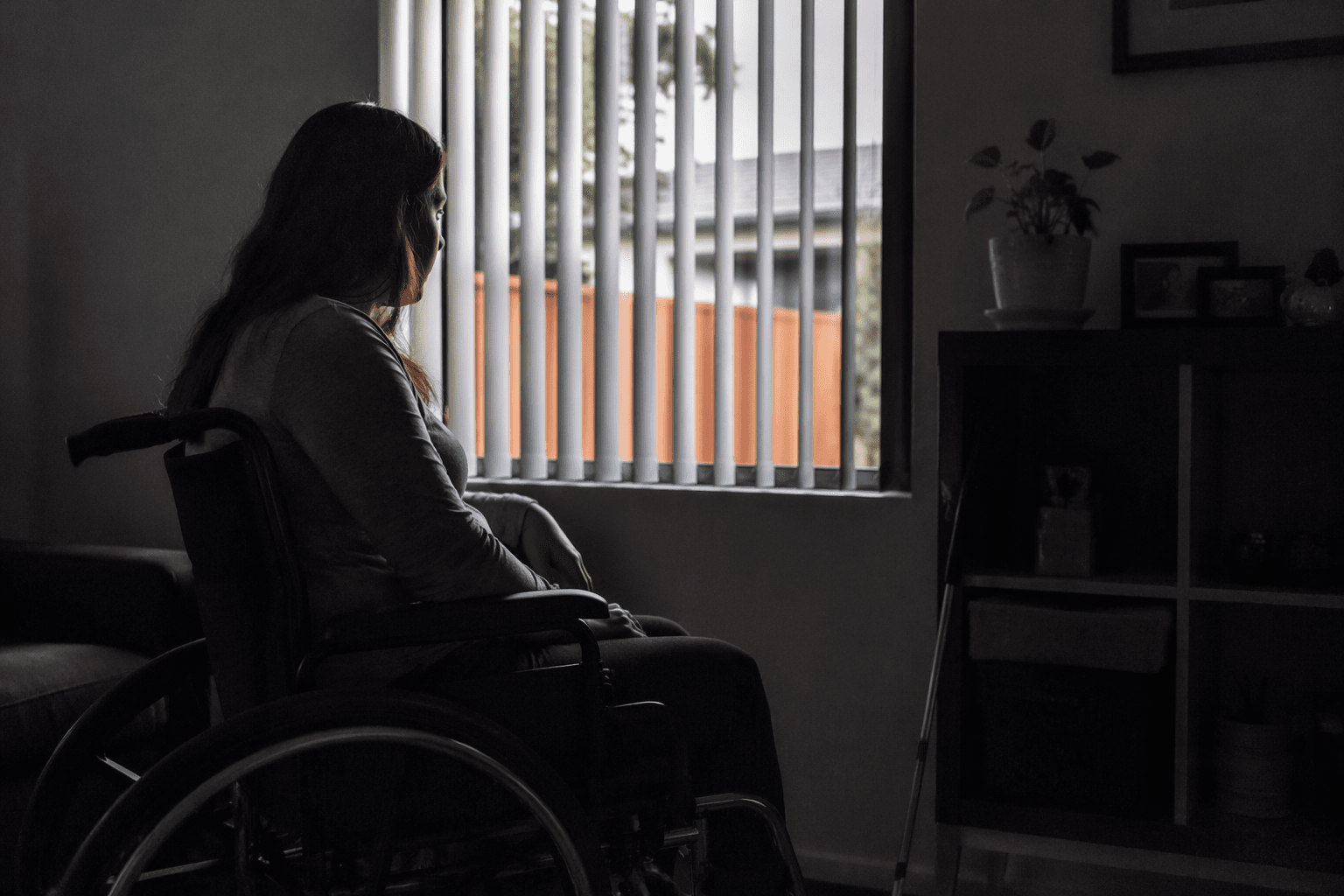
The timeline is especially troubling. A later report says her care plan required 24/7 supervision, yet the pregnancy was reported as resulting in April 2024 and the child was born in December 2024. For disability advocates, that gap is the heart of the story: a person who depended on constant support appears to have been exposed to abuse inside a setting that was supposed to keep her safe.
Where the safeguards appear to have failed
The allegations point to breakdowns at several levels at once. Jones was under around-the-clock care at Dominion Resource Center, a Baltimore-based community service provider, yet the pregnancy was not identified until a hospital visit forced the issue into view. That raises hard questions about daily supervision, staff training, documentation, and whether anyone outside the home was checking closely enough to notice that something had gone dangerously wrong.
Family lawyers say investigators later obtained DNA from the baby, and the Maryland Attorney General’s Office’s Medicaid Fraud and Vulnerable Victims Unit became involved. Baltimore police say the investigation remains active. Even without public details, the response shows how many institutions have to move in concert once abuse is suspected, and how much can be lost when warning signs are missed long before law enforcement enters the picture.
Why advocates see a systemic problem, not just a single crime
Maryland advocates reacted with words that reflected both grief and alarm. They said they were “deeply disturbed” and “heartbroken,” and the Maryland Association of Community Services said it supported a thorough investigation by appropriate authorities. The Maryland Coalition Against Sexual Assault said the young woman was sexually assaulted while in the care of Dominion Resource Center, and that the abuse resulted in pregnancy in April 2024 and the birth of a child in December 2024.
Their concern goes beyond one provider. Disability rights advocates have long warned that people with disabilities are more vulnerable when they rely on caregivers, transportation, public services, and formal support networks that may be uneven, under-resourced, or hard to navigate. If a victim cannot easily speak, move independently, or monitor her own care, then the burden shifts even more heavily onto institutions to notice coercion, prevent isolation, and act before harm escalates.
Jones’s legal blindness and limited speech made that dependence even greater. In a setting built around continuous supervision, those traits should have prompted stronger protection, not less. The case suggests a painful possibility that the system assumed safety was being handled elsewhere, when in fact no one was fully accountable.
What the national data says about risk and reporting
The federal numbers help explain why disability advocates are alarmed. The Centers for Disease Control and Prevention says women and men with disabilities are at increased risk for sexual violence and intimate partner violence, and estimates that 39% of female victims of rape had a disability at the time of the assault. That makes disability not a side issue in sexual violence prevention, but a central one.
The Bureau of Justice Statistics adds another layer. From 2017 to 2019, people with disabilities were victims of 26% of all nonfatal violent crime while making up about 12% of the population. Reporting remains far too low as well: only 19% of rapes or sexual assaults against people with disabilities were reported to police, compared with 36% for victims without disabilities. Those gaps matter because abuse that is never reported is abuse that can continue, especially when victims live in supervised settings and depend on others to speak for them.
Maryland’s own policies show the expectation, and the gap
Maryland’s public-health materials say thousands of residents are affected by sexual violence each year. The state’s Developmental Disabilities Administration says abuse and neglect will not be tolerated in funded agencies, and that people with disabilities are abused at a much higher frequency than people without disabilities. Those statements set a clear standard, but the Jones case shows how hard it is to enforce that standard when oversight is fragmented or delayed.
That is why this story matters beyond one household or one investigation. If a provider is responsible for 24/7 supervision, then staffing levels, staff training, incident review, and escalation procedures have to be treated as life-and-safety issues. Hospitals also need protocols that recognize when an adult with a disability may not be able to report abuse clearly, and state agencies need the authority to intervene quickly when care plans are not being honored.
What accountability has to look like from here
Jones’s family is now facing the emotional and legal aftermath of a pregnancy that followed the assault, while investigators and state agencies sort through what happened and who failed to act. For the broader disability community, the case is a warning that the line between care and vulnerability can disappear when institutions stop asking the hardest questions.
Prevention cannot rest on assumptions that someone else is watching. It has to include stronger supervision enforcement, better detection of sexual abuse in residential care, faster coordination between providers and investigators, and support systems that make reporting possible for people who have difficulty speaking or self-advocating. The central lesson is stark: protection for disabled women cannot be treated as an afterthought, because when the safeguards fail, the consequences can be irreversible.
Know something we missed? Have a correction or additional information?
Submit a Tip