Mastering Yeast: Strain Selection, Health, Pitching and Temperature Control
Yeast selection, health, pitching rates and temperature control determine beer character and consistency; get these elements right for cleaner lagers or bolder ales.
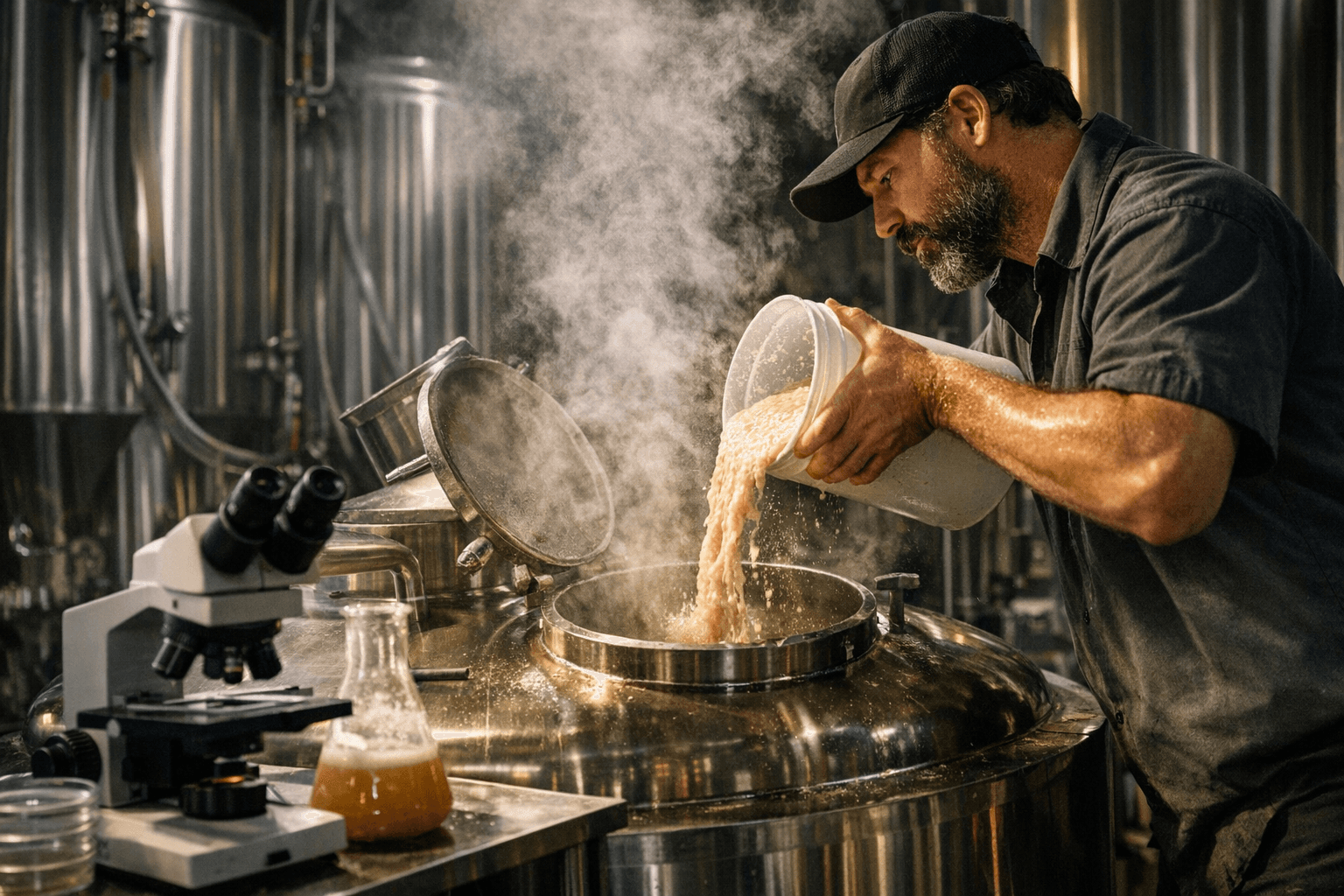
Yeast choice shapes beer as much as malt and hops, so dialing in strain, pitching and temperature control is where many batches win or lose. Choose strains with purpose: English ale strains produce fruity esters and suit brown ales and porters, clean American ale strains deliver a neutral backbone for pale ales and IPAs, Belgian strains bring phenolic and funky complexity, and true lager strains yield clean, crisp profiles but require cold fermentation and a diacetyl rest.
Pitching rates matter in precise terms. For ales aim for 0.75-1.5 million cells per milliliter per degree Plato (cells/ml/°P); for lagers target roughly 1.5-2.5 million cells/ml/°P. Use a pitching calculator to convert target cell counts into starter size or pack counts. Make a starter for lagers and high-OG beers to avoid underpitching. Rehydrate dry yeast according to the manufacturer for best viability when not using a starter.
Temperature control is the other lever for flavor. Match fermentation temperature to the strain’s recommended range and use a fermentation fridge or an immersion cooler when possible. Warm fermentations boost ester production; cold fermentations promote a clean profile. For lagers, maintain low primary temperatures and build in a diacetyl rest near the end of fermentation to allow yeast to reabsorb buttery diacetyl compounds.
Yeast health practices pay compounding dividends. Oxygenate wort at pitching with an aeration stone for small batches or with measured pure O2 for big beers and high gravity worts. Keep yeast hydrated and feed healthy cells with good oxygen and nutrient levels. When reusing yeast, practice sanitation and proper cropping to avoid contamination and attenuation loss; avoid over-reuse, as generations of reuse reduce attenuation and risk off-flavors.
When fermentation misbehaves, troubleshoot stepwise. For stalled or stuck fermentations, raise temperature a few degrees within strain limits, gently rouse the yeast to resuspend trub and cells, and consider aerating very early in the process if oxygen was missed. For excessive diacetyl, rest the beer warmer for 24-48 hours to let yeast clean up. For unwanted phenolics, verify yeast strain and mash pH or sanitize practices, and consider changing strain if phenolics persist.
Track outcomes to refine technique. Keep a yeast log that records strain, lot number, pitch rate, starter volume, temperature profile and final attenuation. Note specific numbers and actions so you can repeat successes or adjust failures. With correct strain selection, accurate pitching and firm temperature control, homebrewers can produce a clean pilsner, juicy hazy IPA or a complex Belgian ale with far greater consistency. Start by calibrating your pitching calculator, invest in some temperature control, and chart your yeast performance batch to batch for steadily improving results.
Know something we missed? Have a correction or additional information?
Submit a Tip