Match Slamball Equipment to Performance, Safety, and Usage Intensity
Slamball gear choices shape performance and safety across pro, commercial, and home play; matching specs to usage prevents injuries and long-term costs.
High-flying slamball depends as much on equipment as it does on athletes. For teams, park operators, and training coaches deciding between professional-grade systems, commercial recreational models, and home portable kits, the right hardware defines what players can safely attempt and how long facilities remain game-ready.
Start with the court. The sport requires a sprung court with high-traction flooring and shock-absorbing walls to manage vertical impact and lateral stability. Regulation-sized trampolines are non-negotiable for performance and safety. Hardware minimums are explicit: a reinforced steel pole with a minimum 4-inch diameter, dual-stage hydraulic or spring-assisted damping, and a breakaway rim rated for at least 250 lbs of vertical load. Most recreational setups use 10-foot rims, while elite play benefits from adjustable-height systems spanning 9'6" to 10'6". Permanent installations should anchor to a base weighted at 350 lbs or greater or be bolted to concrete; sand-filled portable bases are acceptable only for low-intensity training, not competitive games.
An Alibaba excerpt frames the operational stakes: "Unlike basketball, where rim flex is incidental, slamball relies on \controlled\ rim give. A rigid hoop transfers kinetic energy directly into joints; too much flex invites instability and missed shots." That balance affects footwear choices too, shoes that collapse under 3G landings raise injury risk, and explains why mismatched gear can blunt explosive play and reduce confidence.
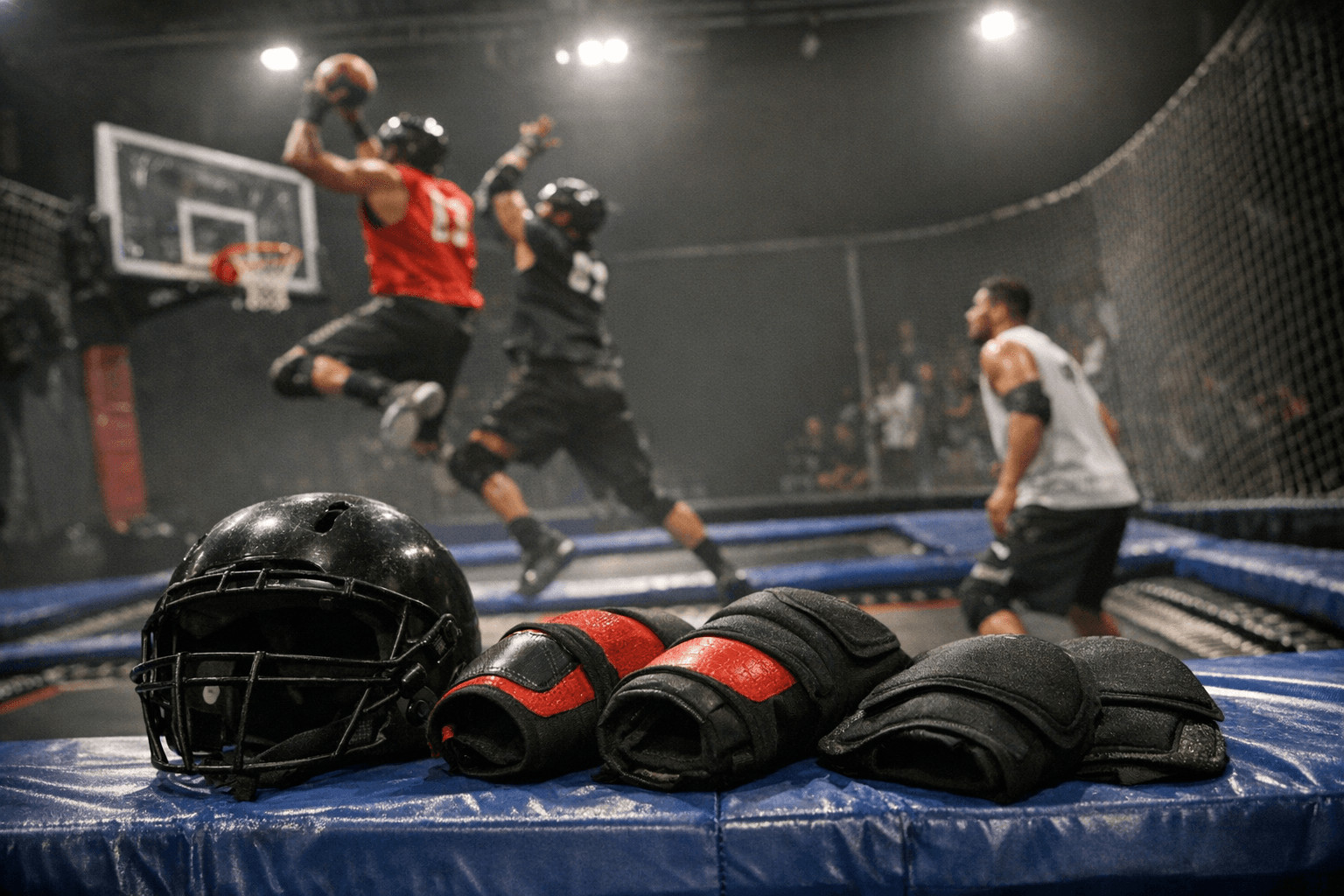
For operators focused on data and player development, SlamBall ProCourt Series offers quick-lock wall connectors and sensor-equipped jump zones for performance tracking. These systems bring benefits but also potential recurring costs, since scoring and analytics integrations may require subscriptions. When comparing sellers, examine service networks, spare-part availability, and subscription requirements alongside upfront pricing. Top manufacturers named in the market include SlamBall Inc., SkyZone-affiliated developers, and European maker Ersa Sport. Budget alternatives from some Asian suppliers may lower entry cost but often sacrifice long-term reliability.
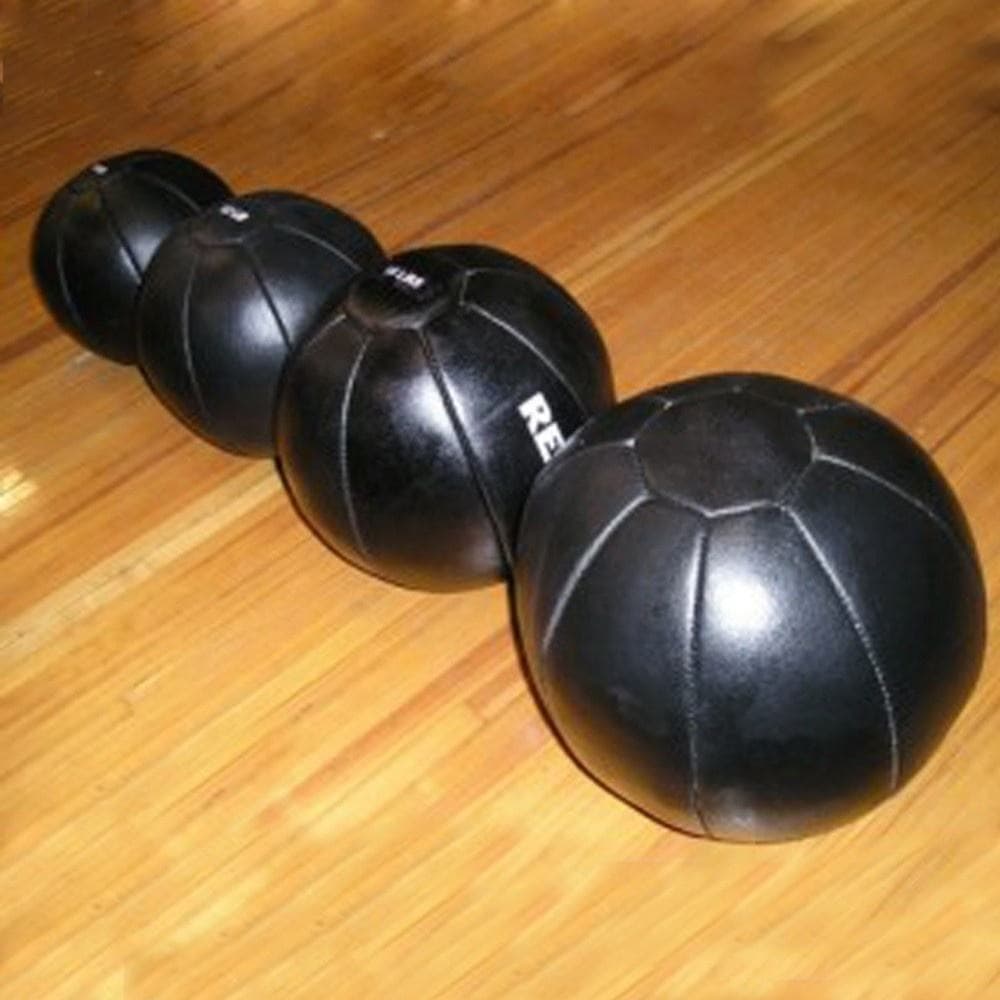
Training equipment plays a complementary role. Slam balls such as the REP Fitness Slam Ball, Rogue MK D-Ball, and TRX Rubber Medicine Ball with Kevlar are built to withstand slamming forces; REP carries a one-year home use warranty and testers praised its durability. For conditioning, recommended slam ball weights center around 25 to 40 pounds for versatility, and explosive work is commonly done in 10–15 rep ranges. Warranties for slam balls frequently exclude damage caused by slamming on rough concrete or asphalt.
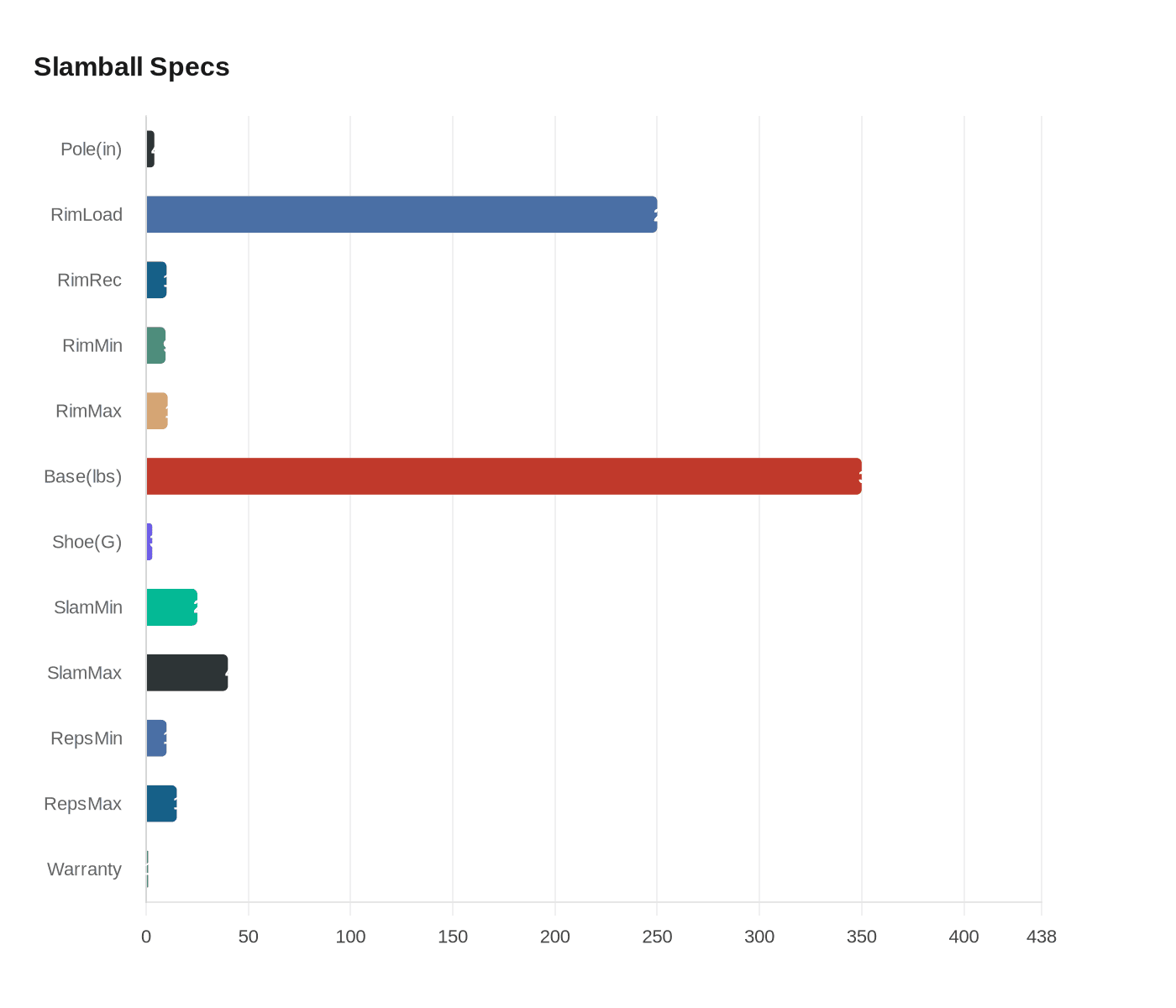
Installation and supplier vetting matter; the recommended buyer workflow runs from space assessment to professional installation and ends with warranty and service verification. Equipment engineered for repeated vertical impact and lateral stress protects athletes and facilities, while thoughtful purchases reduce hidden operational costs. For coaches and facility owners planning upgrades, audit current gear, confirm the specified pole, rim, and base ratings, and weigh sensor-driven training gains against ongoing subscription costs before stepping onto the sprung court.
Know something we missed? Have a correction or additional information?
Submit a Tip