Matic robot vacuum raises price by $250 on September 9
Matic will lift its robot vacuum to $1,495 on September 9, citing higher memory and component costs, even as it stays below an earlier $1,795 list price.
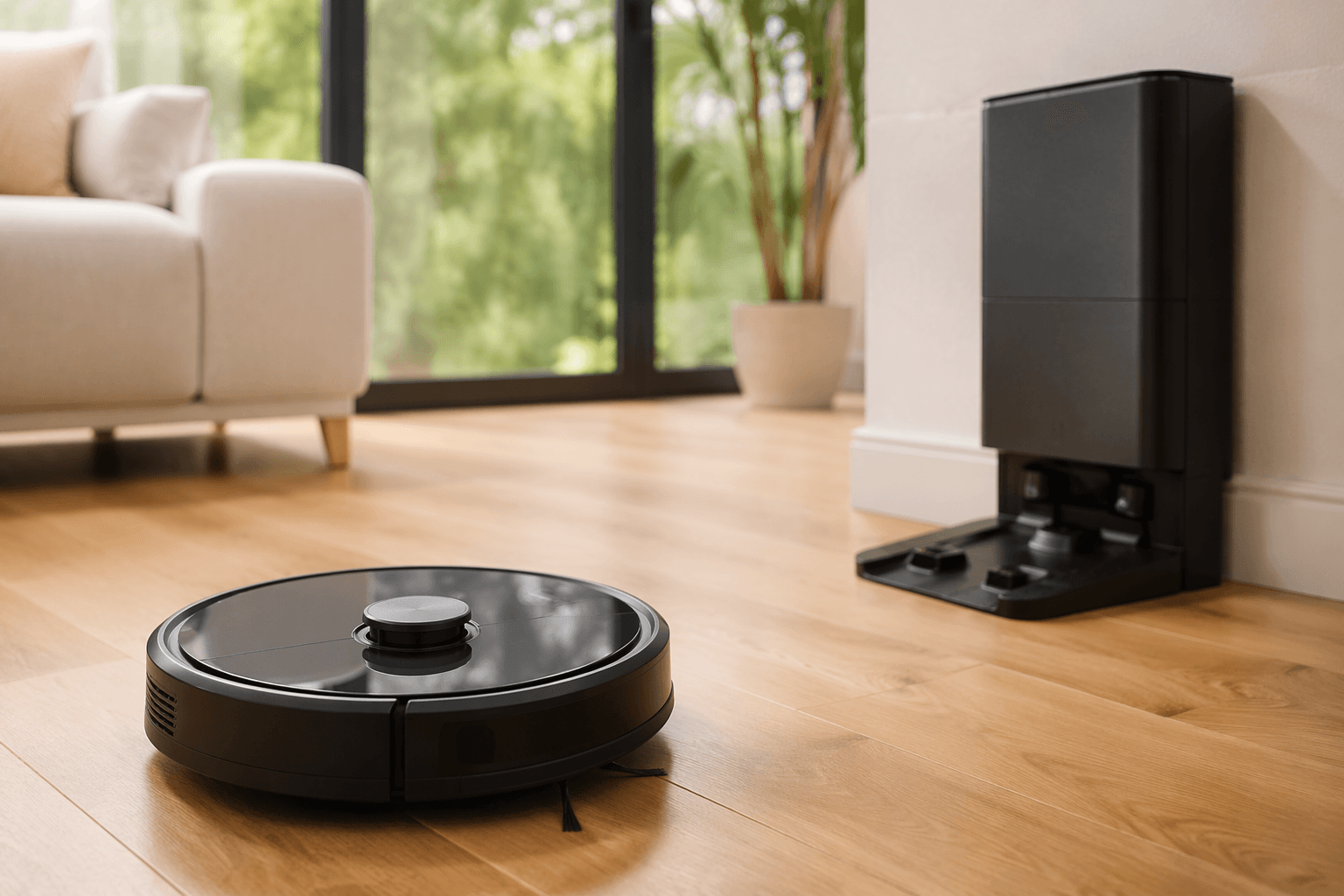
Matic will raise the price of its robot vacuum by $250 to $1,495 on September 9, a sharp step higher for a premium cleaner that already sits near the top of the smart-home market. The company said the increase reflects rising costs for memory and other components, lifting the machine from its current $1,245 price.
The product sits in a narrow lane of the robot-vacuum market. Matic is a vacuum-and-mop hybrid that uses camera-based navigation rather than lidar, processes data locally on the device, and does not need cloud connectivity to map homes. The Verge described it as a “complete rethink” of the category, pointing to its camera-based SLAM navigation, obstacle avoidance, quiet operation, and on-device intelligence. That mix of local processing and privacy-focused mapping remains a central part of Matic’s pitch as the company asks buyers to absorb a $250 increase.
The higher sticker price still leaves room for Matic to argue that it belongs in the premium tier. The company’s own press materials have previously put the robot at a $1,795 list price, which means the new $1,495 figure would remain below that earlier benchmark. Matic has also said the robot is assembled in California, another detail it has used to position the product as a high-end domestic build rather than a mass-market import.

Matic first came out of stealth in November 2023 with about $29.6 million in funding, including a $24 million seed round backed by Nat Friedman, Daniel Gross, John Collison, and Patrick Collison. That funding helped turn Matic Robots Inc., based in Mountain View, California, into one of the more visible names in autonomous home robotics. The price increase now suggests that even a well-capitalized consumer hardware company is feeling the pressure of expensive components, and that premium smart-home devices are still vulnerable to margin pressure long after launch.
This article was produced by Prism’s automated news system from verified source data, official records, and press releases, then run through automated quality and moderation checks before publishing. The system is built and supervised by the people who set the standards it runs under. Read our full AI policy.
Did this article answer your question?