Matson adds 100 containers, pledges 400 annual shipments to Hawaiʻi Foodbank through 2027
Matson said it added 100 shipping containers to its support for Hawaiʻi Foodbank, a move the company and the food bank say translates to about 3.5 million meals and frees funds for statewide distribution.

Matson announced it has added 100 shipping containers to its in‑kind support for Hawaiʻi Foodbank, a logistics move the company and the food bank say will let the nonprofit redirect freight dollars into buying and distributing more food across the islands. Matson made the announcement on Feb. 28, 2026, and framed the expanded support as a response to rising need statewide.
Matson’s public statement said, "To help Hawaiʻi Foodbank meet rising demand across the islands, Matson has increased its support for Hawaiʻi families in need by adding 100 containers to its existing pledge of in‑kind shipping services for 400 containers annually through 2027 to serve Hawaiʻi Foodbank’s program for purchasing and transporting large quantities of food from the continental US." The company also described the pledge as building on a six‑year, $10 million commitment of cash and/or in‑kind services to food security programs.
Each container is capable of carrying roughly 42,000 pounds of food, and Matson and Hawaiʻi Foodbank have reported that the additional containers represent the delivery of food equivalent to about 3.5 million meals. Matson’s decision to absorb freight and shipping costs is intended to allow Hawaiʻi Foodbank to use those funds to buy food at deep discounts through its partnership with Feeding America and to expand distribution statewide.
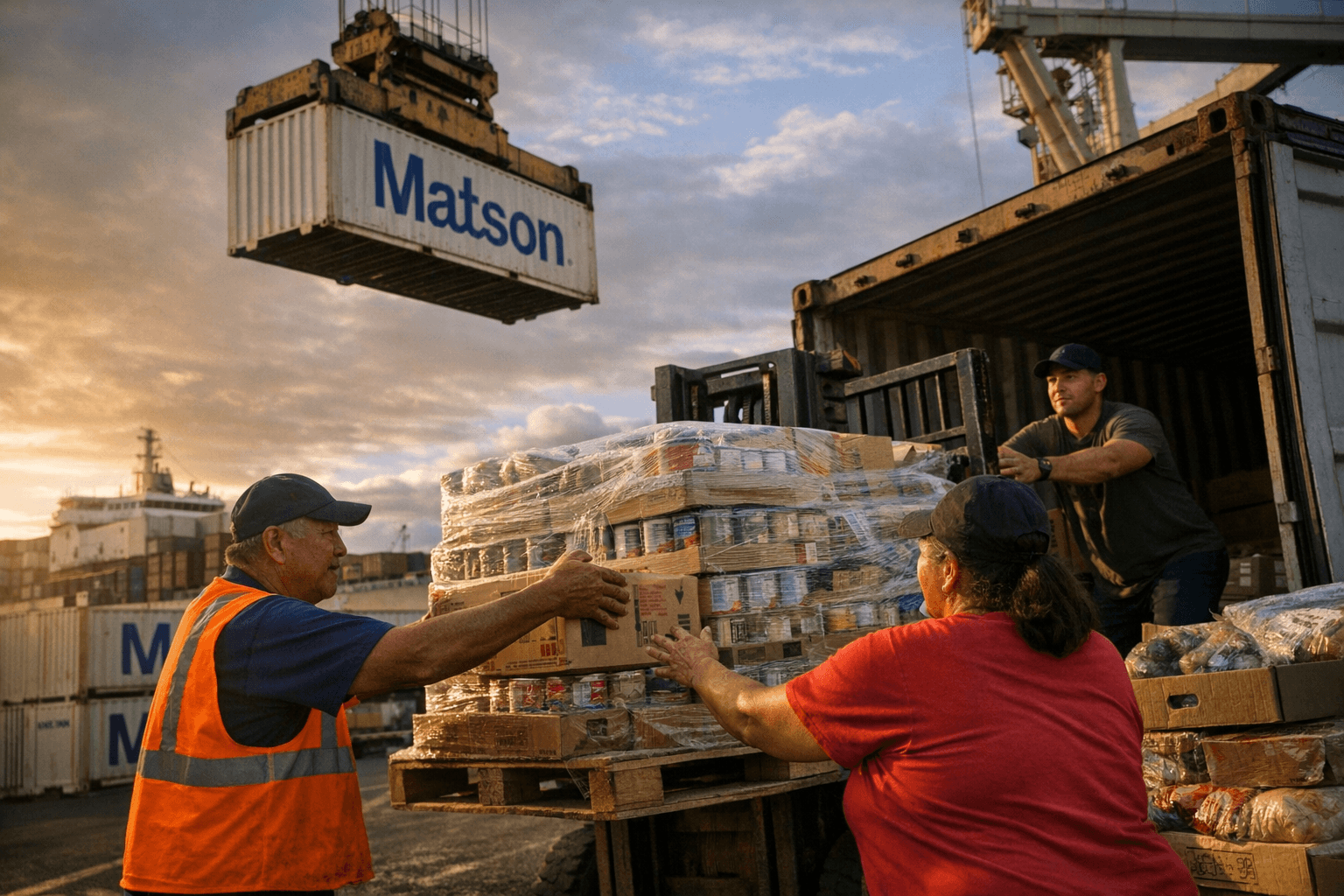
Hawaiʻi Foodbank President and CEO Amy Miller said the partnership has immediate reach for families across the islands: "This partnership with Matson has a profound impact on our ability to serve our community." Miller added, "Reliable shipping support allows us to bring more food into Hawaiʻi and redirect precious dollars toward purchasing nutritious food at deep discounts. With many local families just one or two paychecks away from food insecurity, Matson’s commitment will help tens of thousands of people across our islands."
Matson chairman and CEO Matt Cox placed the expansion in the context of statewide need and Matson’s operational role: "With food insecurity affecting nearly a third of households in Hawaiʻi, it’s clear that this problem is affecting individuals and families in every community. We are proud to support the work of Hawaiʻi Foodbank and its partners by doing what we do best, moving critical supplies quickly and efficiently, to help ensure families across Hawaiʻi have access to food."
The expanded pledge follows earlier work by Matson that Hawaiʻi Foodbank reports has already moved nearly 200 containers into the islands, an amount the food bank has equated to more than 4 million meals since the partnership began. Public health data underscores the urgency: "The State of Food Insecurity in Hawaiʻi 2024–2025" reported that 32% of Hawaiʻi households experienced food insecurity during the reporting period, a figure that concentrates need in both urban centers and rural communities across Hawaiʻi County and neighboring islands.
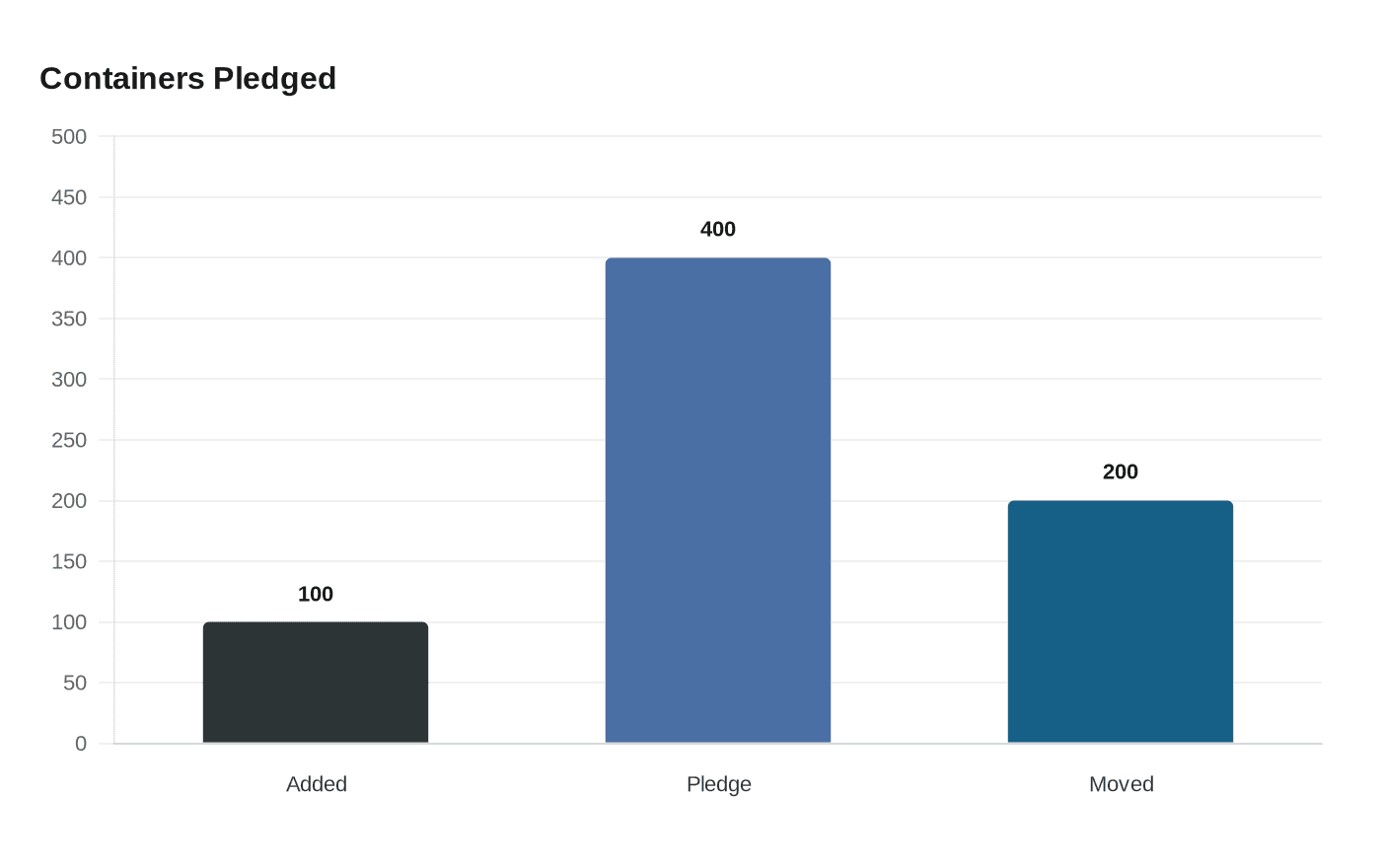
Coverage of Matson’s statement contains differing phrasings about totals and timing; Matson’s published wording refers to "adding 100 containers to its existing pledge of in‑kind shipping services for 400 containers annually through 2027," while other coverage characterized the commitment as Matson "will be shipping 400 containers of food from the continental U.S. for the Hawaiʻi Foodbank through 2027." As written, the public text leaves open whether the 100‑container addition is a one‑time supplement or an annual increase, and how that maps onto the 400‑container figure.
If implemented as described in Matson’s statement and Hawaiʻi Foodbank’s projections, the logistics commitment could shift hundreds of thousands of pounds of freight costs into direct food purchases and distribution over the remainder of the pledge period through 2027, amplifying bulk‑buying power via Feeding America and targeting resources toward communities across the islands that continue to face high rates of food insecurity.
Know something we missed? Have a correction or additional information?
Submit a Tip