Matthew Perry’s mother blames assistant for fueling fatal ketamine use
Suzanne Morrison said Matthew Perry’s assistant was supposed to keep him drug-free, but instead helped feed the ketamine supply that killed him.
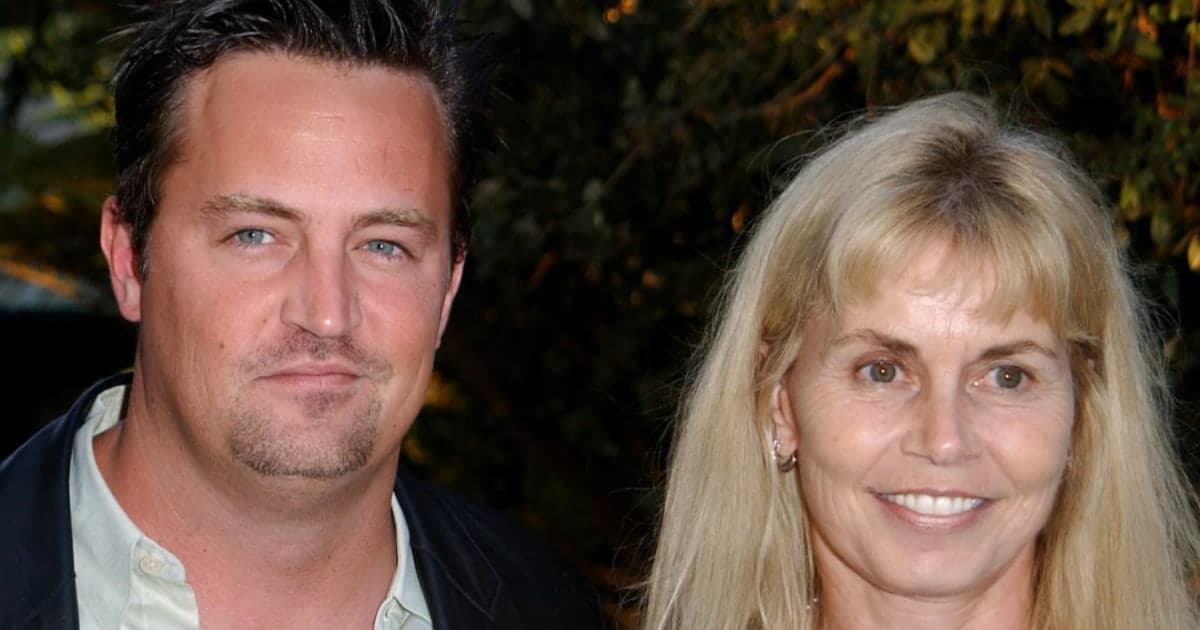
Matthew Perry’s mother says the people closest to him became part of the machinery that killed him. In a victim impact statement, Suzanne Morrison blamed Perry’s former assistant, Kenneth Iwamasa, saying his number one responsibility was to keep the actor drug-free, but that he instead “aided and abetted” illegal drug use, arranged one source of supply and then another.
Perry died on October 28, 2023, at age 54. The Los Angeles County Medical Examiner ruled that he died from the acute effects of ketamine, with drowning, coronary artery disease and buprenorphine effects listed as contributing factors. The death was ruled an accident. The case has since become a warning about how celebrity access can shield addiction while deepening the risks around it, turning staff, clinicians and intermediaries into gatekeepers of a fatal supply chain.
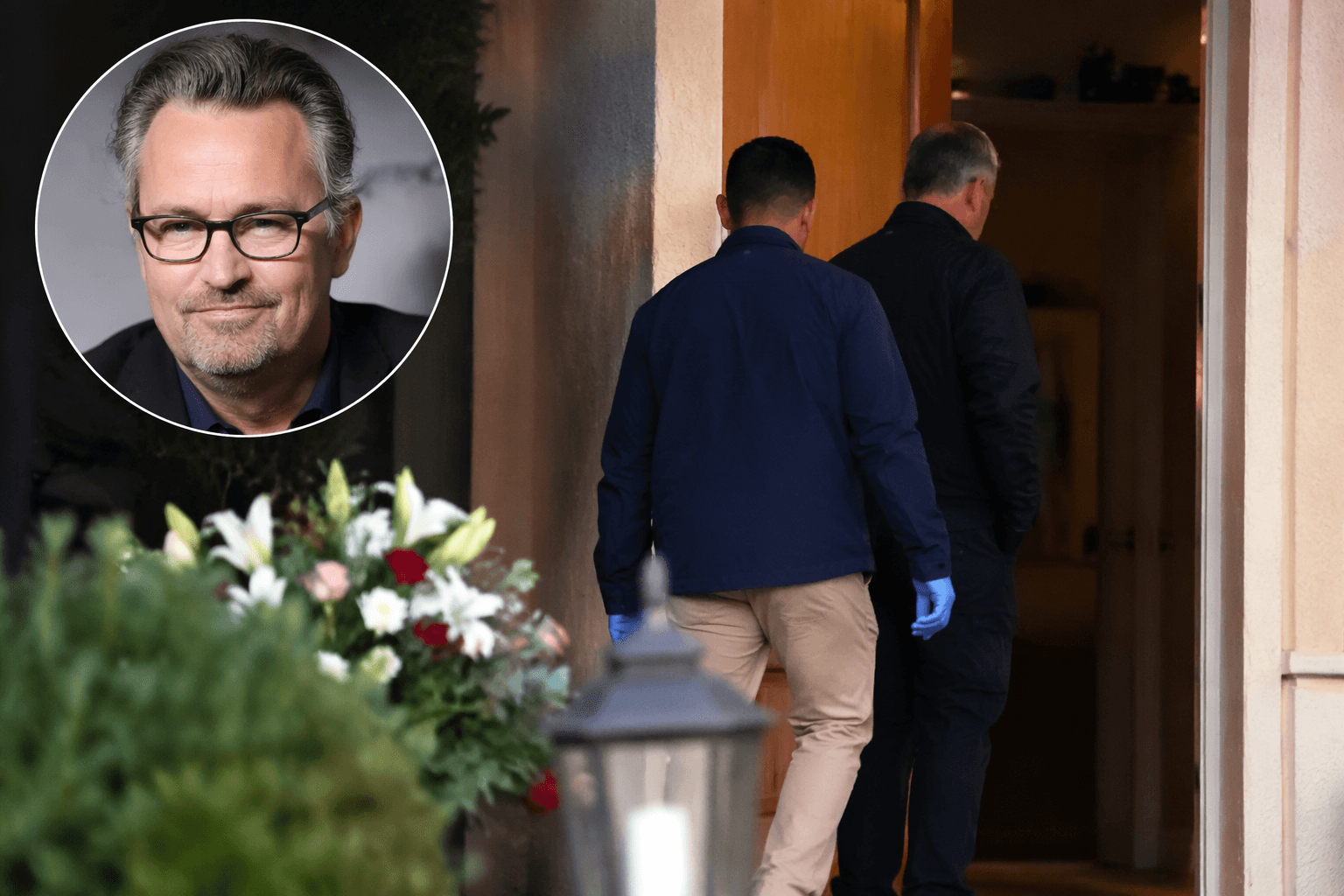
Federal prosecutors said the supply network around Perry involved five people, including two doctors, a drug counselor, a dealer known as the “Ketamine Queen,” and Iwamasa, Perry’s live-in personal assistant. In August 2024, prosecutors charged the group in connection with Perry’s death, saying the defendants distributed ketamine to him during the final weeks of his life. Prosecutors said Jasveen Sangha and Erik Fleming sold Perry 51 vials of ketamine in October 2023, and that the drugs were passed to Iwamasa in unmarked vials of unknown concentration.
According to court records, Iwamasa repeatedly injected Perry and gave him at least three shots of Sangha’s ketamine on October 28, 2023, the day Perry died. Prosecutors also said Sangha and Fleming tried to cover their tracks after learning of Perry’s death by using Signal messages set to auto-delete and telling each other to delete communications. The legal case has now spread beyond the circumstances of one death into a broader examination of the adults who enabled it.
Sangha was sentenced to 15 years in federal prison on April 8, 2026, after pleading guilty in September 2025. Fleming was sentenced on May 13, 2026, to two years in prison after pleading guilty in August 2024 to conspiracy to distribute ketamine and distribution resulting in death. Prosecutors said he faced up to 25 years. Iwamasa is scheduled to be sentenced on May 27, 2026.
Perry had previously received ketamine infusion therapy for depression and anxiety, but the medical examiner said the ketamine found in his system at death could not have come from that therapy because ketamine’s half-life is about three to four hours or less. That distinction matters far beyond one celebrity case: it points to the gap between legitimate care and illicit diversion, and to the vulnerability of patients whose dependence can be exploited by the people paid to protect them. Perry had said he did not want “Friends” to be the first thing people remembered about him, and he wanted to help others. His death now stands as a case study in what happens when that mission is overwhelmed by profit, access and unchecked loyalty.
Know something we missed? Have a correction or additional information?
Submit a Tip