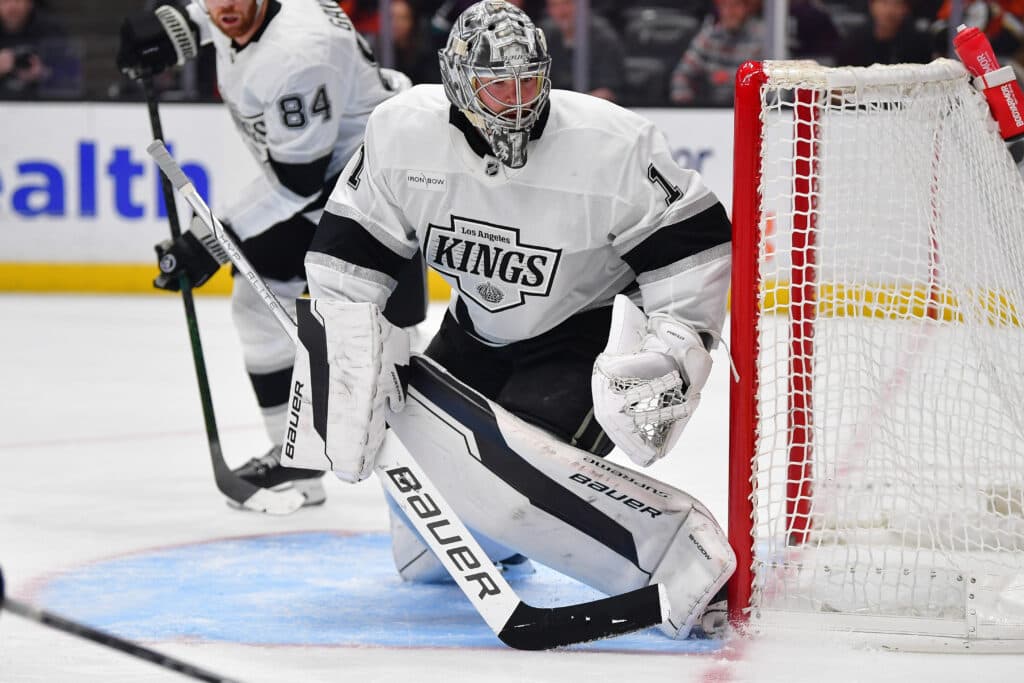
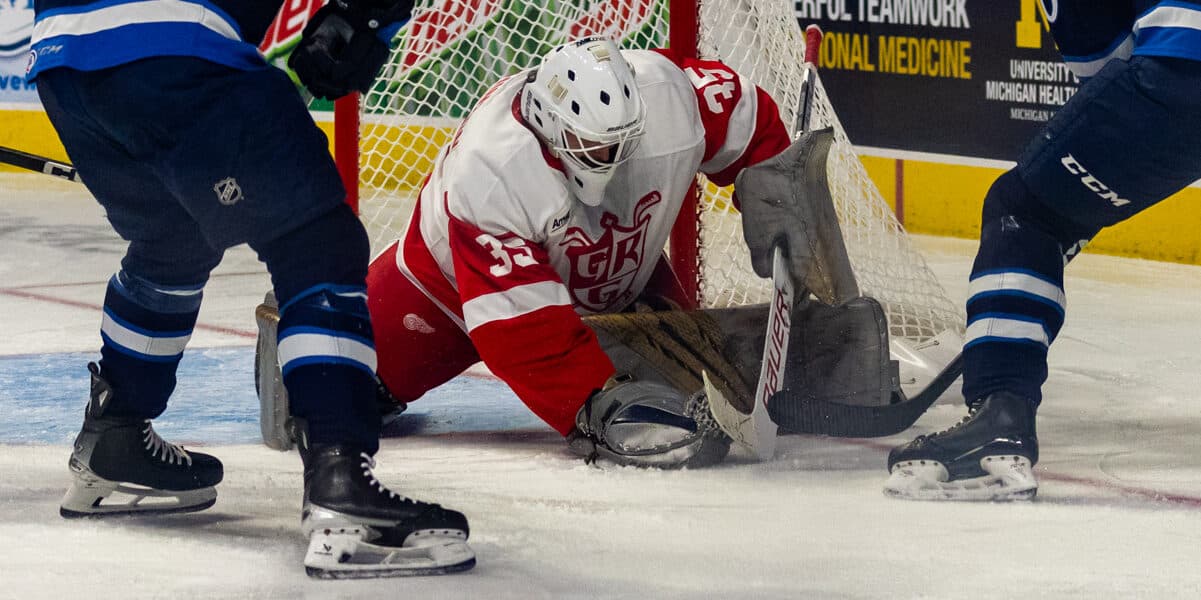
Matyas Melovsky’s NHL Entry-Level Contract Alters AHL Rights and Movement
Matyas Melovsky’s March 2, 2026 move triggers NHL entry-level mechanics that immediately reshape his AHL waiver status, recall flexibility, and how clubs value depth at the trade deadline.

Matyas Melovsky’s March 2, 2026 event has immediate roster consequences across the AHL-NHL pipeline: the move illustrates how an NHL entry-level contract alters how a player’s rights are held, how he can be deployed between leagues, and how NHL clubs evaluate organizational depth heading into the trade deadline and playoffs. That sentence frames the practical shift teams face when a player at the AHL level crosses into an NHL entry-level contract environment.
Entry-level contracts are designed for younger NHL signees and carry specific age and length rules. As Mylittlefalls notes, "Entry Level Contracts, or ELCs, are for the NHL only," and for players ages 18 through 24 the first NHL contracts are entry-level deals. Mylittlefalls, citing CapFriendly, sets the ELC lengths at 18–21 years old: 3 years; 22–23 years old: 2 years; and 24 years old (and up to 27 for players from European leagues): 1 year. Centericeview adds the typical two-way salary definition: "Two-Way Contract - the player’s salary is dependent on the league in which the player is assigned to play."
Salary figures in public guides differ, which matters for organizational budgeting. Mylittlefalls reports ELCs are "two-way contracts that carry a maximum salary of $925,000 plus bonuses." Centericeview, by contrast, states "The entry-level NHL maximum salary is $950,000 and AHL maximum salary is $82,500." Those competing numbers underline why clubs and player agents consult the CBA and contract trackers when converting AHL talent into NHL assets.
The entry-level slide rule directly affects how long an ELC takes effect and thus how teams plan their roster windows. Centericeview defines the slide: "If a player who is signed to an entry-level contract and is 18 or 19 years of age (as of September 15 of the signing year), does not play in a minimum of 10 NHL games (including both regular season and playoffs; AHL games do not count), their contract is considered to 'slide', or extend, by one year." Centericeview’s example shows a three-season ELC from 2023-24 to 2025-2026 sliding to 2024-25 to 2026-27, and it notes an exception if a player turns 20 between September 16 and December 31 of the first contract year.
Waivers and exemption status are central to what changes when an AHL player signs an ELC. Mylittlefalls states that "a majority of [AHL] players are on entry-level contracts" and that "Almost all players on entry-level contracts playing in the AHL are waiver exempt." That waiver-exempt window gives NHL clubs recall flexibility and reduces the risk of losing a developing player to another club at the trade deadline or during playoff call-ups.
The practical alternatives — PTOs and ATOs — help explain how clubs trial and move players before an ELC is on the table. Mylittlefalls summarizes: "PTO (Professional Try Out) and ATO (Amateur Try Out) contracts are basically the same things in that they are temporary contracts." Centericeview adds that a PTO "is usually only in the AHL and is limited to 25 games" and cautions that per the CBA it "can be offered in the NHL for a 'professional' goaltender with league approval" and that "No Player shall play in an NHL Game pursuant to a PTO unless and until the League approves." Oursportscentral’s Belleville Senators examples illustrate the pipeline in practice: Ryan Scarfo and Boston Leier signed ATOs that led to AHL contracts, while Andrew Sturtz moved from an ATO to an NHL entry-level contract.
Melovsky’s March 2 reference crystallizes the strategic ripple effects: converting an AHL performer into an NHL ELC affects salary treatment, slide timing, waiver exemption, and a club’s short-term and postseason depth planning. With the trade deadline approaching, teams juggling "a majority" of players on ELCs must weigh immediate availability versus preserving contract years and waiver protection as they shape playoff rosters.
Know something we missed? Have a correction or additional information?
Submit a Tip