May Day rallies draw thousands nationwide in protests against billionaires
Thousands rallied from Washington to Los Angeles as organizers pushed a May Day blackout over wages, immigration and corporate power.
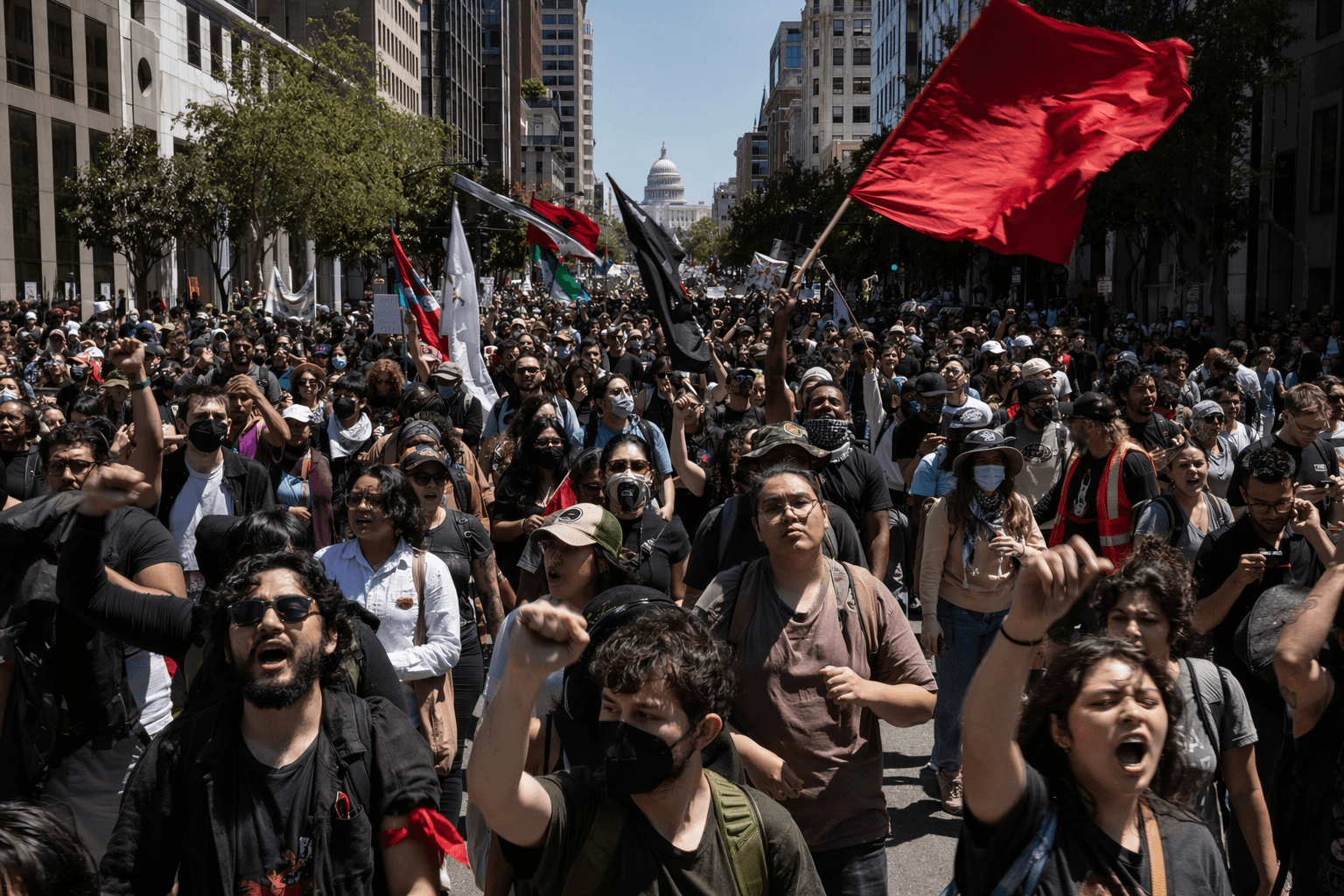
Labor activists, students and immigrant-rights organizers marked May Day with rallies and marches across the country on Friday, turning International Workers’ Day into a national protest against corporate power and economic strain. In city after city, demonstrators carried the same message: workers, not billionaires, should set the terms of the economy.
The organizing coalition behind the May Day Strong actions called for “no school, no work, no shopping,” and said more than 500 labor, community and pro-democracy organizations had signed on nationwide. The effort tied together demands to tax the rich, oppose ICE, end war, limit corporate influence in elections, expand democracy and defend the vote. Organizers also framed the protests as a rebuke to the Trump administration and what they called a billionaire takeover of government.
The day drew thousands in multiple cities, with especially visible scenes in Washington, D.C., where protesters marched near the National Mall carrying signs reading “NO ICE” and “Stop the deportations.” Organizers and allied groups said more than 100,000 students were expected to strike from school, and they said more than a dozen schools canceled classes because so many students and teachers were expected to be absent.
May Day carries a long labor history in the United States. The date traces back to the 1886 Haymarket Affair in Chicago, when a protest for an eight-hour workday turned into a violent clash between police and demonstrators. In 1889, May 1 was designated International Workers’ Day in commemoration of that struggle. Unlike Labor Day in September, however, the U.S. does not recognize May Day as a federal holiday.
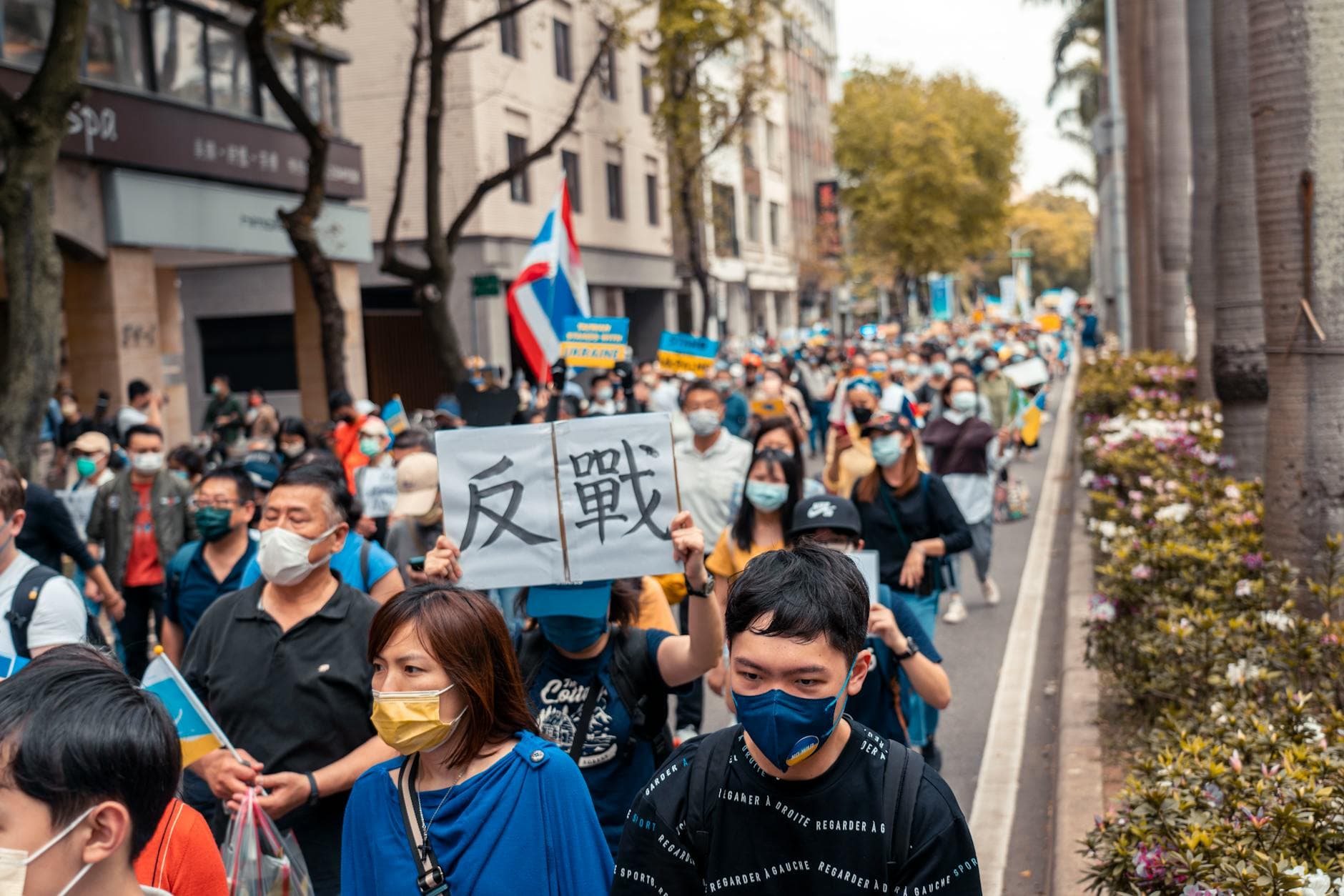
Los Angeles held particular resonance for organizers because of the city’s role in immigrant mobilization. Activists there connected this year’s action to the 2006 “Day Without an Immigrant” march, which drew hundreds of thousands of people and helped defeat an anti-immigrant bill in the U.S. Senate. That history gave added weight to this year’s demonstrations, which paired labor grievances with immigration demands and calls for broader political power.
The protests reflected a wider strain running through the country’s politics and workplaces: frustration over wages, fear of deportation, anger at corporate influence and a desire for a more responsive democracy. On May Day, those grievances converged in streets from Washington to Los Angeles, with organizers betting that labor anger can still be turned into national momentum.
This article was produced by Prism’s automated news system from verified source data, official records, and press releases, then run through automated quality and moderation checks before publishing. The system is built and supervised by the people who set the standards it runs under. Read our full AI policy.
Did this article answer your question?

