May primaries test Trump’s grip on Republican voters and lawmakers
Trump is turning May primaries into loyalty tests, with seven Indiana Republicans and several Senate contenders facing voters over who really leads the GOP.
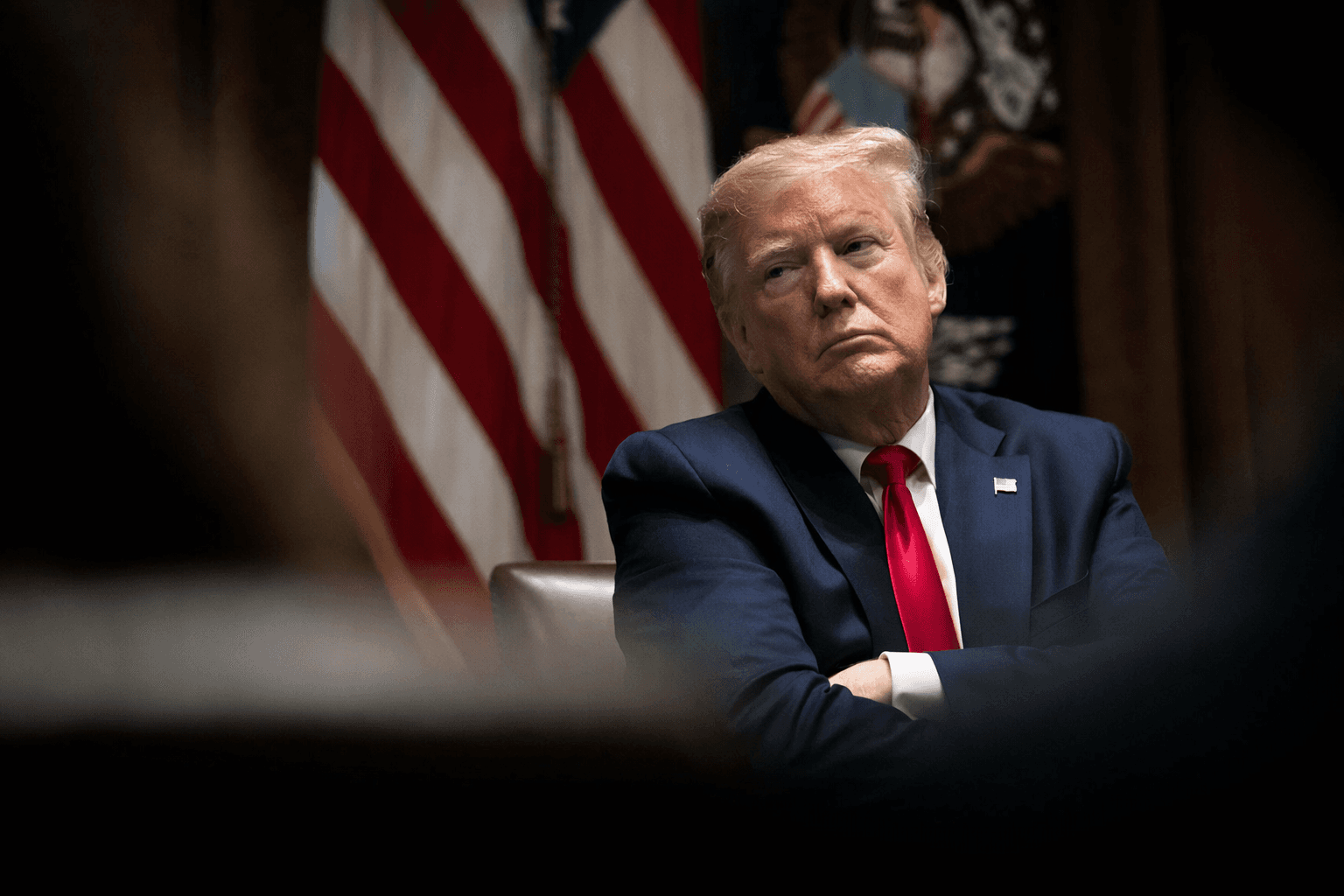
Trump’s grip on Republican voters is getting a direct stress test in May, starting in Indiana, where seven GOP state senators who blocked his redistricting push will face Trump-backed challengers in Tuesday’s primary. The contest has become a referendum on whether the president’s endorsement still moves enough Republican voters to punish lawmakers who defy him, or whether local loyalty and candidate quality are starting to matter more.
Indiana is the clearest battlefield. After the December 2025 fight over mid-decade congressional redistricting, Trump promised a “MAGA Primary” response, then attacked the holdouts as “RINOs,” “incompetent” and “losers.” Pro-Trump groups and Turning Point Action have spent more than $4.2 million on advertising in the state, an unusually large sum for a legislative primary. Gov. Mike Braun and Sen. Jim Banks have also lined up behind Trump’s targets. The senators under attack all represent districts Trump carried in 2024, mostly by 20 points or more, which makes the races a sharper measure of whether his name still compels Republican voters even in friendly territory. In District 23, for example, state Sen. Spencer Deery is being challenged by Paula Copenhaver after Deery won only about 31 percent in a four-candidate 2022 primary.
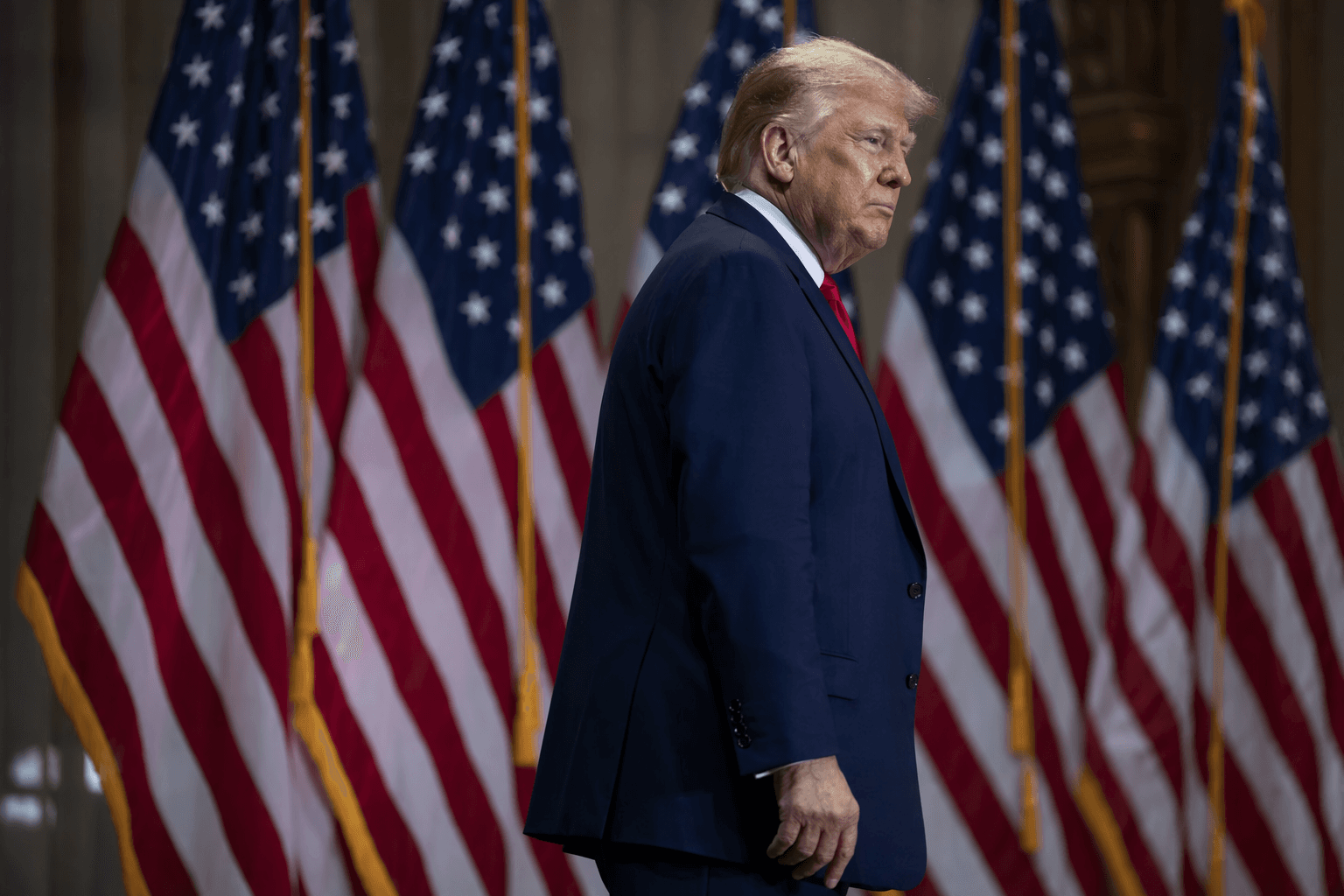
The Indiana stakes run beyond one state. Republicans hold supermajorities in both chambers, and half of the state Senate and all 100 House seats are on the ballot in 2026. If Trump can knock off incumbents in districts he won comfortably, it would signal that his endorsement still dominates the party’s internal machinery. If several lawmakers survive, it would suggest that local interests and candidate profile are beginning to soften his edge.
Other May races will widen the test. In Texas, Sen. John Cornyn and Attorney General Ken Paxton will head to a May 26 runoff after neither reached 50 percent on March 3. Trump has said he will endorse “soon,” while Senate Republican leaders are pushing him toward Cornyn, a four-term senator, over Paxton, who remains popular with the MAGA base despite repeated scandals. Wesley Hunt has already conceded. In Kentucky, Trump endorsed Rep. Andy Barr on May 1 in the open Senate race to replace Mitch McConnell, asked MAGA-aligned businessman Nate Morris to withdraw and reportedly dangled an administration role; Morris then endorsed Barr. Morris had already drawn $10 million in support from Elon Musk, according to campaign finance reporting cited by POLITICO.
Louisiana will add another marker on May 16, when Trump’s endorsed candidate, Rep. Julia Letlow, faces incumbent Bill Cassidy and Treasurer John Fleming. Republicans hold seven of the nine Senate seats with primaries in May, and with narrow margins in Washington, these contests will help show whether Trump still owns the Republican coalition heading into the midterm year.
This article was produced by Prism’s automated news system from verified source data, official records, and press releases, then run through automated quality and moderation checks before publishing. The system is built and supervised by the people who set the standards it runs under. Read our full AI policy.
Did this article answer your question?

