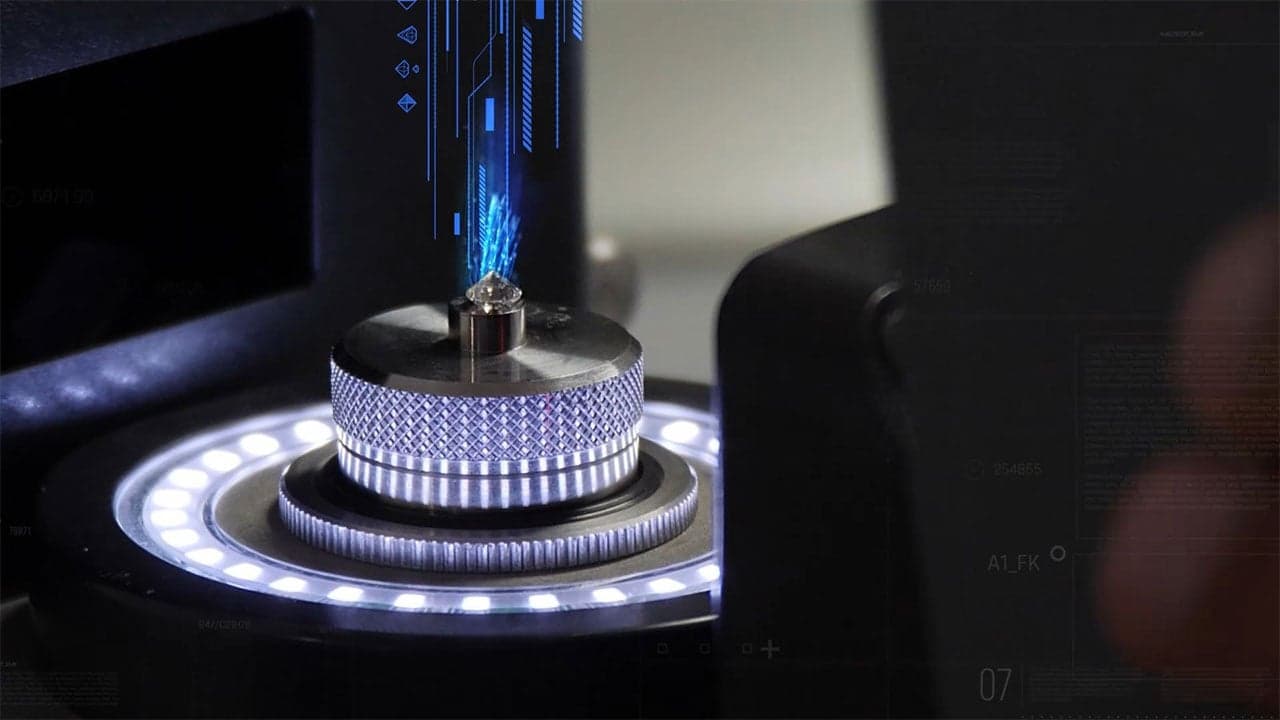
Mayank Jain says DiaDNA's AI-driven atomic fingerprinting matches individual diamonds
Mayank Jain told Rapaport’s Joshua Freedman that DiaDNA’s AI-driven "atomic fingerprinting" can match individual diamonds and prevent stone-switching, a development Rapaport calls a “face-recognition moment.”
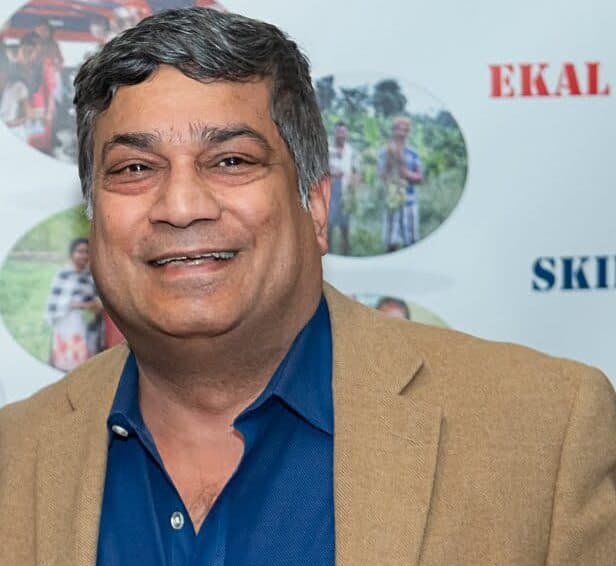
Mayank Jain, identified as CEO of DiaDNA, told Rapaport host Joshua Freedman that his India-based company’s AI-driven "atomic fingerprinting" can match individual diamonds and prevent stone-switching, a capability Rapaport described as the industry’s "face-recognition moment." Jain made the claim on the Rapaport Diamond Podcast special video episode published in Rapaport’s March 1, 2026 summary.
Jain framed the technology against existing scanning methods and the problem it aims to solve. Apple Podcasts’ Episode 158 listing summarizes his explanation that DiaDNA "explains the difference between optical and atomic scanning" and how extra traceability benefits the trade. On the Rapaport episode Jain said, "The scanning technology has existed forever, but can you really match them? Can you really do the 'face recognition,' and within acceptable error rates? Those were the two new things that we were able to get right."
Rapaport’s episode copy also reports that the Gemological Institute of America had tested the tool’s accuracy. The Rapaport summary does not include GIA test dates, sample sizes or numerical results, so the statement is presented as the episode’s reported verification rather than as a published GIA finding with disclosed methodology.
The podcast episode was presented as a special video podcast and identified on Apple Podcasts as Episode 158: Face Recognition for Diamonds, with both audio and video versions available. Rapaport noted the show was "powered by DiaDNA" and included sponsor messaging that the technology is "elevating diamond authentication through AI-driven atomic fingerprinting to deliver unmatched certainty, verified provenance, and complete transparency from mine to market." Rapaport promoted the episode on LinkedIn, where the Rapaport organization page captured in the episode promotion shows 51,412 followers and a prompt to "Listen or watch the full episode here."
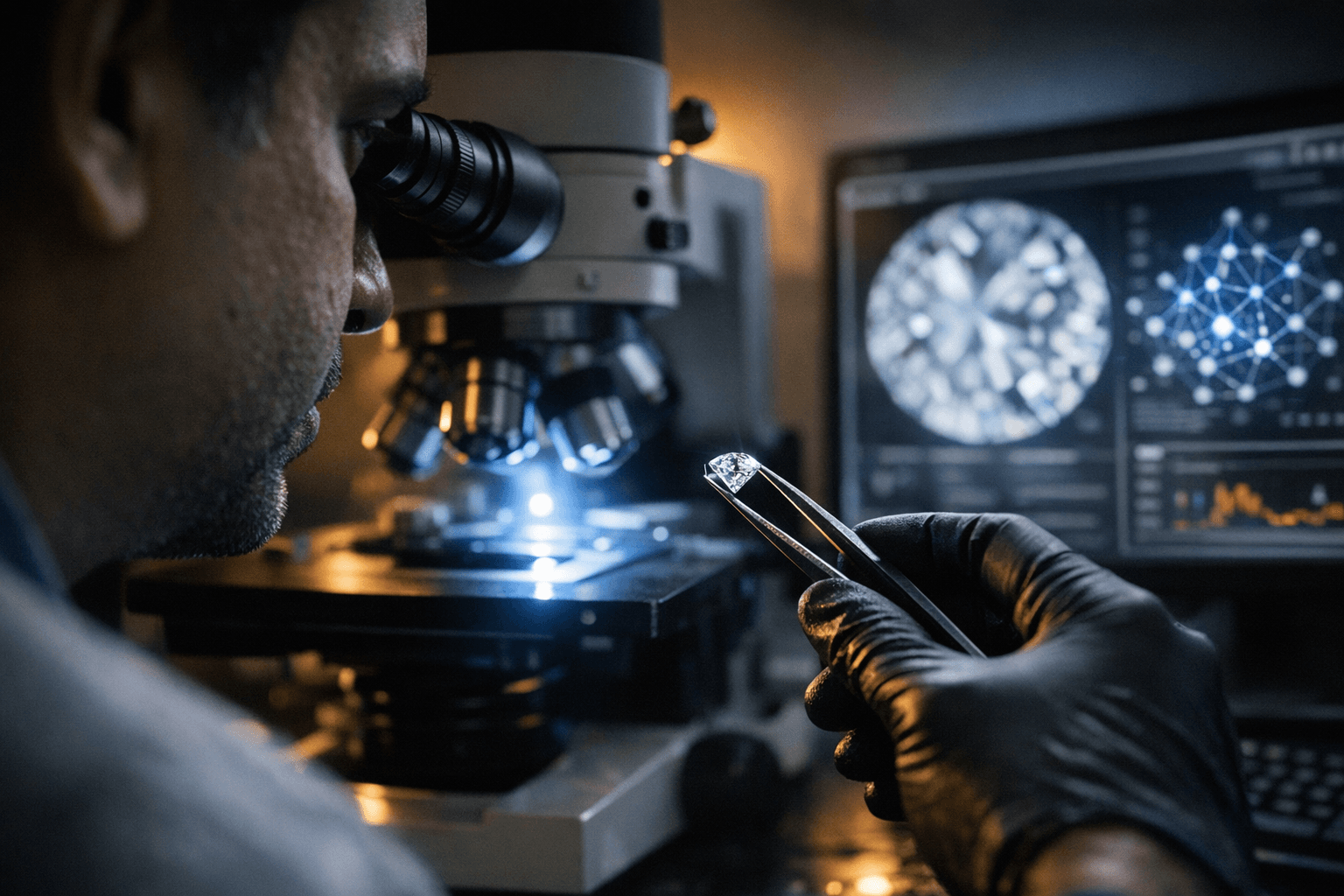
The broader conversation around face recognition and biometrics, preserved in the source bundle, places DiaDNA’s claim in a contested landscape. The Electronic Frontier Foundation’s Deeplinks blog, dated March 26, 2024, quoted Cindy Cohn and referenced Kashmir Hill’s book Your Face Belongs to Us to illustrate how facial-recognition tools have provoked privacy and law-enforcement debates. TravelCommons’ podcast episode #199, featuring Dr. Sheldon Jacobson and Henry Harteveldt, traces biometric adoption in travel as an example of practical deployment.
For the diamond trade the immediate pivot is concrete: Rapaport aired Jain’s claim on March 1, 2026 and reported a GIA test; DiaDNA’s next step will be technical disclosure and published validation. Widespread adoption will depend on published GIA methodology, error-rate data from DiaDNA, and buy-in from labs and retailers as they weigh provenance benefits against operational and privacy questions raised by biometric-style identification.
Know something we missed? Have a correction or additional information?
Submit a Tip